Search For Slow Weighted Workouts Is Exploding RN - Why They're One Of The Most Effective Workouts
For every stage of life.


Grab a chair, because we need to talk about what “effective exercise” really looks like for women today. And spoiler: it’s not gasping into a yoga mat like it’s a survival challenge. The buzz on the gym floor is that slow weighted workouts are quietly brutal, impossible to ignore, and humbling - trust me, I learned that early on. One slow squat in, and my ego quietly exited the room.
Here’s the irony: we’ve often been sold the idea that faster equals better, but maybe a slower, steadier approach actually makes more sense for women’s bodies. And apparently, everyone’s thinking the same, with searches on Google going up by +4700% in just the last two weeks.
One thing’s clear: for anyone who fears burpees like me, slower doesn’t mean easier, it just humbles you in a very different way.
That spike isn’t random. We’re finally having honest conversations about hormones, fatigue, and what our bodies actually need. As Lianna Swann, ex-olympic swimmer and certified SHREDDY PT, puts it: “In a social media world filled with HYROX and 5 am HIIT workouts, slow weighted training for women - and those with endocrine conditions like Polycystic Ovarian Syndrome, or PCOS - feels like a breath of fresh air.”
Case in point: a 2025 trial found that women who followed a resistance-based training programme saw significant improvements in insulin sensitivity, cholesterol, and hormone levels - which are exactly the kind of results that matter long after the sweat dries.
Curious why experts swear by them for women with PCOS, hormonal shifts, or just everyday life? Keep reading - we’re breaking down what slow weighted workouts really are, and why they’re quite frankly brilliant for women at every stage of life. For more weight content, don't skip our guides to the different types of strength training, the best strength training exercises, and the best 30-minute home strength workouts.
Experts Swear by Slow Weighted Workouts - Here’s Why They Work for Women at Every Stage of Life
What are Slow Weighted Workouts?
Now, before you imagine pottering around the gym with tiny weights, let's clarify what slow weighted workouts actually are. We spoke to Hollie Grant, Founder of Pilates PT + The Bump Plan, about how slow weight training differs from your usual strength training: “A slow weighted workout is exactly what it sounds like: lifting weights at a deliberately slower tempo, usually with longer time under tension and more control through each phase of the movement."
"Instead of rushing through reps or chasing heart rate spikes, the focus is on controlled eccentric phases (lowering slowly), pausing at challenging points, and moving with intention rather than momentum.” She adds, “This differs from traditional strength training that’s focused purely on load progression - slow weighted work isn’t about lifting heavier every week, but about how you move the weight you have.”
In short, you’re not racing through reps or relying on sheer momentum to get you through - you’re simply slowing everything right down, which forces the muscle actually to do the work. It’s the difference between flinging a weight around and owning every inch of the movement. Sound easier than your usual 7 am HIIT? I can confirm, it isn’t.
Research also helps paint the picture here. A 2025 trial published in the Journal of Physiological Anthropology found that slow, controlled movements, even at the lowest intensities, actually led to greater muscle fatigue because the muscles were under constant tension.
Bottom line - when you take momentum out of the equation, your muscles have nowhere to hide, quietly demanding more - without the drama.
So, what does this all mean for women? Big spoiler: your body doesn’t need chaos to get stronger. In fact, slowing down might be one of the smartest ways to get stronger, balance hormones, and see real results - especially when navigating PCOS.
Why slow weighted training is becoming a go-to workout for women with PCOS
By now, it’s clear that slow weighted workouts aren’t just about building muscle; it’s about helping the body function better, which is exactly why experts recommend it for women with PCOS.
Lianna dives deep (pun fully intended), “There have been studies that show both slow weighted workouts and more intense exercise to be effective for managing PCOS symptoms, making the ‘most effective’ approach one that is sustainable for the individual and manages their stress levels best.”
She adds that resistance work is especially useful because it improves insulin sensitivity, a key issue for women with PCOS who often experience higher rates of Insulin resistance than those without.
Interestingly, findings mirror this. Research from 2025 showed that women with PCOS who took part in a combined strength and endurance training programme saw meaningful improvements in Insulin and insulin resistance - alongside better cholesterol and hormone markers, compared with those who didn’t exercise. That’s exactly the kind of metabolic benefit Lianna is talking about.
Hollie adds, “Many women with PCOS experience chronic fatigue, joint discomfort, or slower recovery. Slow, controlled training allows them to train consistently without feeling wiped out or inflamed afterwards, which is key - because it’s consistency, not intensity, that drives real metabolic change.”
For women with PCOS, it's a long overdue shift. Workouts stop being something you survive with a towel and a prayer, and start becoming something you can actually own and sustain.
Beyond PCOS, what makes slow weighted workouts beneficial for women at different stages of life
It’s no shock that slow weighted workouts aren’t just for symptom management. In fact, their benefits extend well beyond PCOS. As Bianca Wise, ALO Wellness Club Pilates instructor and clinical naturopath, explains, “Slow weighted workouts help women build lean muscle mass, support metabolic health and insulin sensitivity, and do so without placing excessive stress on the nervous system.”
She adds, “They also support bone density, joint health, and posture - key factors for long-term health and hormone balance. This form of training becomes especially important for women around age 30, helping maintain bone density, overall well-being, and hormone balance.”
That’s why experts agree - this style of training works across decades, not just diagnosis. Leila Martyn, founder of MyOva, advocates slow weighted workouts for every woman. “Every major life stage for women involves hormonal change, whether coming off the pill, recovering postpartum, entering perimenopause, or managing stress. These workouts provide the strength and structure we need, minus the overwhelm on the body.”
And for the evidence? Oh, it’s all there. And benefits aren’t limited by age - a 2025 study found that resistance training improves strength, balance, muscle mass, and body composition across pre-, peri-, and post-menopausal women without added strain.
So there we have it, for a woman of any age, slow weighted workouts aren’t just about getting stronger (although this is a huge bonus), it’s about finding something that grounds you in confidence, and finding a strength that carries you through every stage of life.
Now let’s look into the routines that’ll make slow feel seriously effective, with strength trainer Aimee Victoria Long breaking down the expert-approved moves worth your time.
5 expert-picked slow weighted workouts to do from home
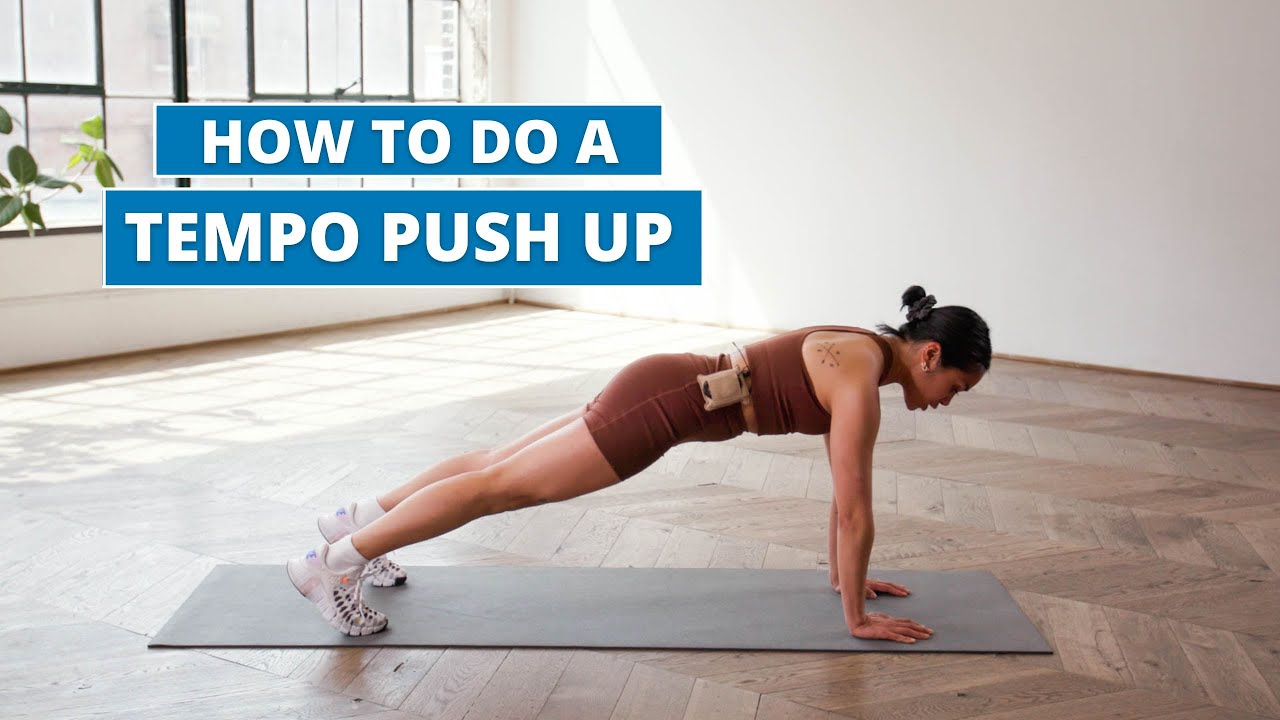
1. Tempo Push-Ups OR Chest Press
Why? A slow lowering phase builds upper-body strength and shoulder stability while engaging the core more deeply.
What? Lower for 4 seconds, pause at the bottom, then press up with control (either bodyweight or with dumbbells/barbell).
How long? 3 sets of 8-10 reps.
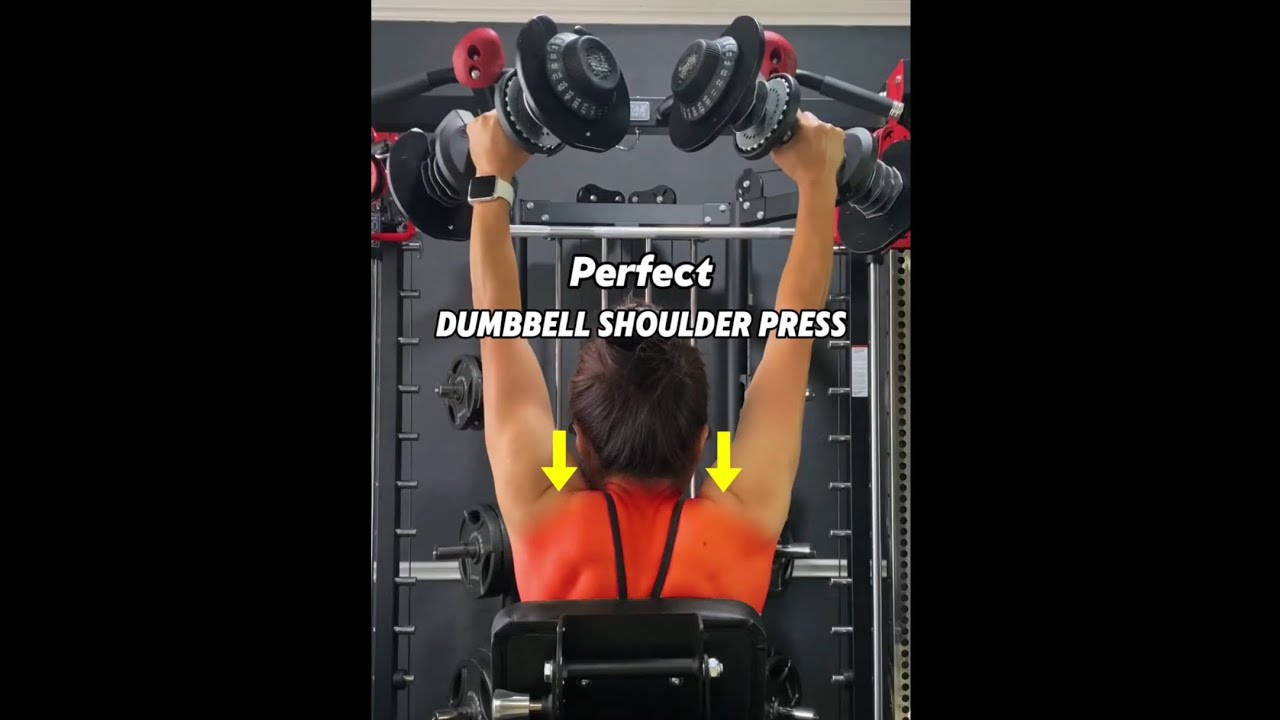
2. Controlled Shoulder Press
Why? Slowing the press builds shoulder strength while protecting the joints and improving muscular control.
What? Press weights overhead smoothly, then lower them back down over 4-5 seconds without locking out aggressively.
How long? 3 sets of 6-8 reps.
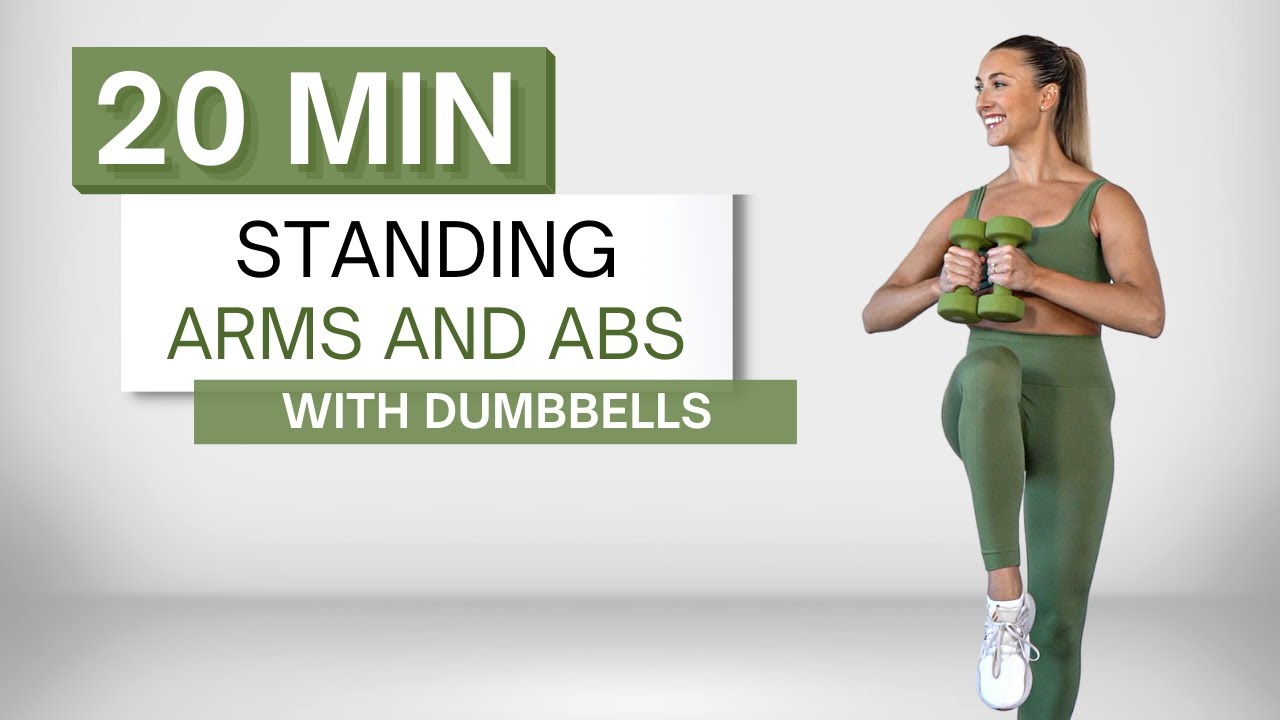
3. Controlled Deadlifts
Why? Slow deadlifts strengthen the posterior chain (glutes, hamstrings, lower back) while reinforcing proper lifting mechanics.
What? Lift the weight steadily, then lower it back down over 5 seconds, maintaining a neutral spine throughout.
How long? 3 sets of 6-8 reps, resting well between sets.
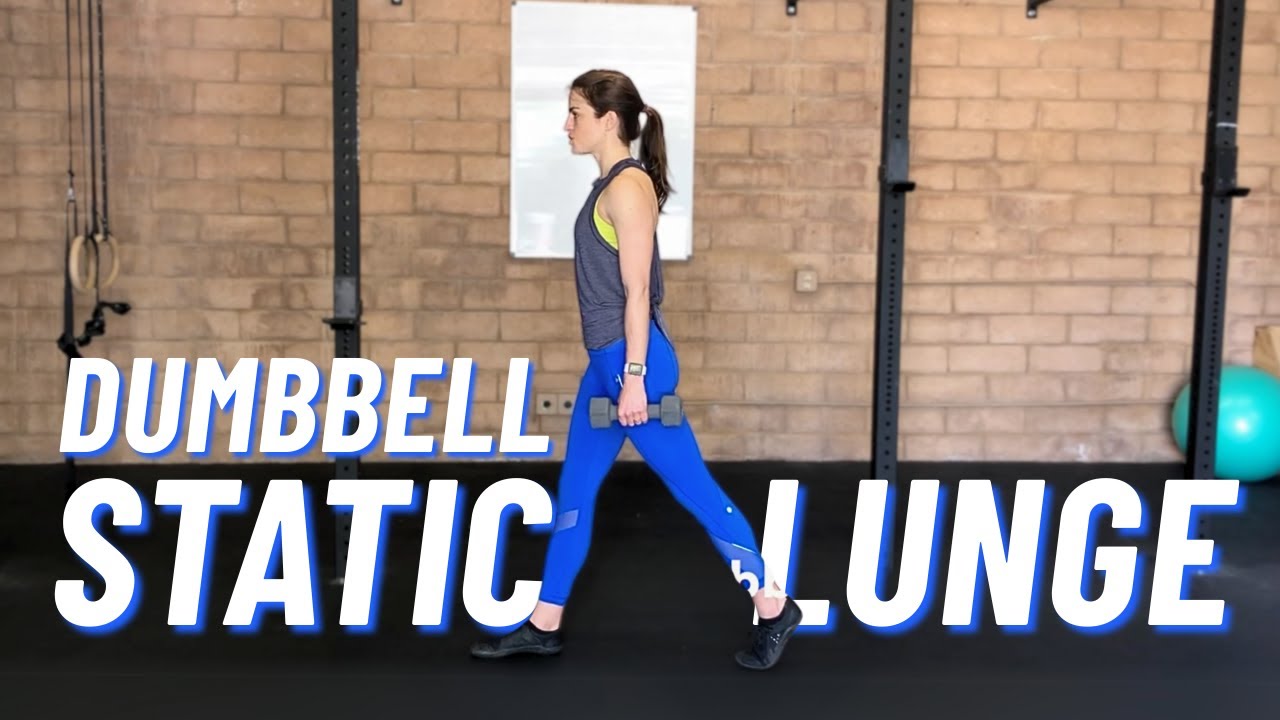
4. Slow-Weighted Lunges
Why? Moving slowly through lunges improves balance, coordination, and unilateral strength, which is key for injury prevention and everyday movement.
What? Holding weights at your sides, step into a lunge, lower for 4 seconds, then return to standing with control.
How long? 3 sets of 6-8 reps per leg.
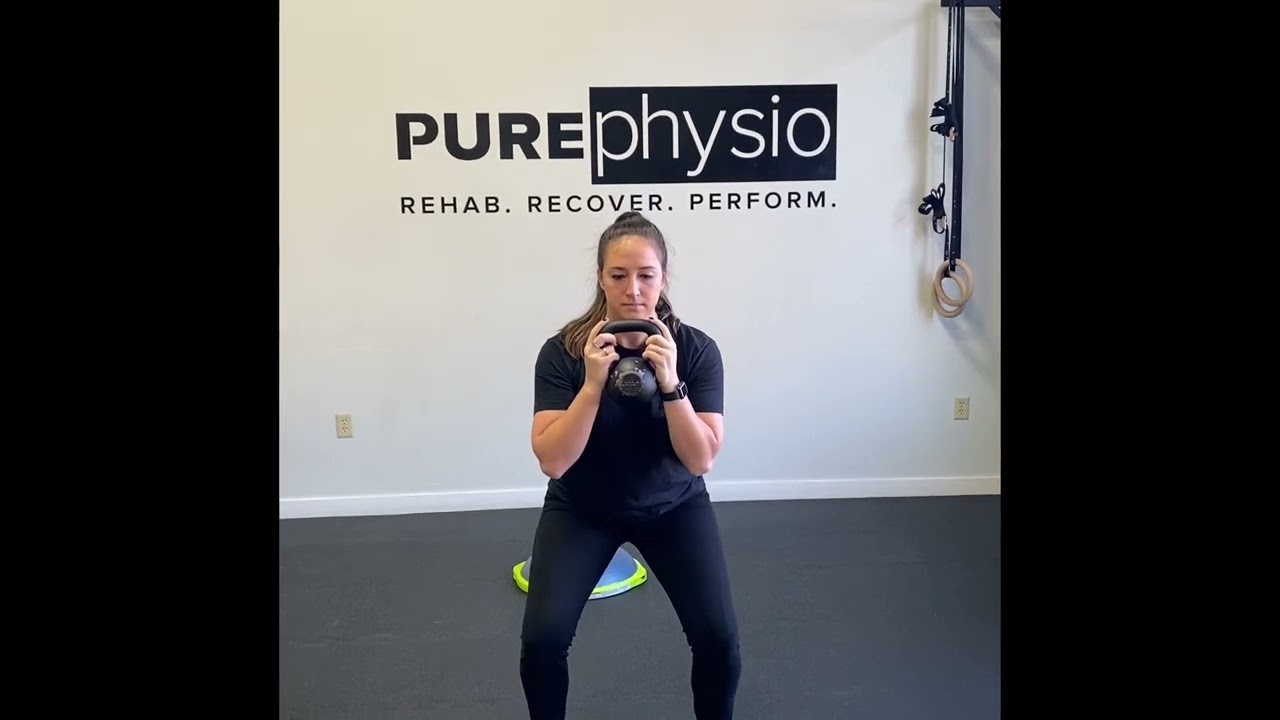
5. Slow-Tempo Squats
Why? Slowing down the squat increases time under tension, which improves muscle strength, joint stability and muscle control while reducing injury risk.
What? Using dumbbells or a barbell, lower into a squat for 4-5 seconds, pause briefly at the bottom, then stand up with control.
How long? 3-4 sets of 6-8 slow, controlled reps.
Shop weight workout essentials, below:

The FP x Bala Bangles: tiny enough to slip on, heavy enough to make your arms feel seen. Who knew 2 lbs could feel this empowering?

Studio-to-street and squat-proof besides, the power 7/8 leggings are high-performance enough for a gym session but comfy enough for coffee after - aka the sweet spot of leggings.

Alo’s signature Airbrush fabric serves breathable, soft support that moves when you do and holds you just enough - ideal for slow workouts, deep lunges, and feeling smugly put-together.

Creatine is Senior Health Editor Ally Head's go-to supplement at the moment - she's been using it to support muscle growth and marathon training, and loves how thoroughly research the supplement is.
What happens when you swap high-intensity training for slow weighted workouts with PCOS?
For Leila Martyn, PCOS, the rise of slow weighted workouts wasn’t just a trend; it was a turning point.
“I was deep in HYROX-style training - six days a week, sometimes twice a day. My heart rate regularly sat above 180 beats per minute for long sessions. At the time, I thought this was the gold standard of fitness.”
This constant intensity came at a price. Over time, the high-stress training load contributed to chronic fatigue, recurring injuries, and a flare-up of her PCOS symptoms. “My period disappeared completely. I was exhausted 24/7, but I kept pushing through because I thought this is what effective exercise looked like.”
The real shift came when she stepped away from endurance-heavy, high-intensity training and rebuilt her routine around slower, weighted workouts. “My period returned and is now regular, everything is stabilised, and I finally felt like my body wasn’t in constant fight-or-flight.”
Leila’s weekly workout routine consists of around four strength sessions a week, primarily machine-based, with an emphasis on slow tempo, control and progressive strength - not exhaustion. Cardio has been scaled back and replaced by brief sprint sessions: 6 rounds of 30-second efforts with full recovery, lasting no more than ten minutes in total, 2-3 times a week.
