7 Home Workouts Without Weights That Boost Mood, Mental Health, and Metabolism - In As Little As 15 Minutes
No gym? No problem.


Whether you stayed at home, headed to family or friends, or escaped for some winter sun this Christmas, one thing’s for sure: your usual routine has probably taken a back seat. And that’s no bad thing. In fact, a proper break (both physical and mental) is sometimes exactly what we need.
And if you’re wondering whether taking a few days, or even a whole week, off will derail your fitness, the short answer is: nope. Although research doesn’t have a definitive answer for exactly how long it takes for detraining to occur (it varies depending on age, gender and usual training load), general scientific consensus says that it takes around two weeks for any noticeable decline in your cardio fitness, with other research indicating it takes four weeks to lose muscle mass.
So, don’t be afraid to take a breather. Your progress won’t be affected, promise.
That said, if you are craving a little movement over the break, bodyweight workouts can be just as effective as anything you’d do at the gym. (Yep, one study even found that press-ups over 23 weeks produced the same strength gains as using a bench press.) It’s proof that you don’t need dumbbells or machines to build strength - your body alone can provide one of the most powerful resistance challenges out there.
So, whether you dive into them over Christmas or save them for the New Year, we’ve rounded up seven of the best bodyweight workouts to keep your body and mind feeling strong, healthy, and energised - no gym required.
And if you find yourself hooked on bodyweight workouts (we’re betting you will), don’t worry, there’s plenty more where that came from. We've got guides to the bbestbodyweight cardio exercises, best bodyweight strength training exercises, and best upper body bodyweight exercises, here.
A Top Trainer Recommends: 7 Bodyweight Workouts For An Instant Mind And Body Boost
What does a home workout without weights involve?
When you think of a “no-equipment workout”, you might picture a few squats and lunges squeezed into your living room.
That’s certainly one option, but it’s far from the only one. Home workouts without weights can be just as varied as anything you’d do in the gym, from core-burning Pilates and energising yoga flows to strength-focused bodyweight sessions and cardio-boosting HIIT.
Crucially, you don’t have to pick one discipline and stick to it. In fact, research shows that the greatest improvements in body composition and metabolic health come from combining strength and aerobic exercise.
“A combination of dynamic strength work, uplifting cardio and lower-impact movements such as Pilates creates a balanced, energising effect, raising metabolism, enhancing mood and leaving the body feeling powerful and supported,” confirms personal trainer Aimee Victoria Long.
That’s because lower-impact movement like Pilates and yoga support core stability, mobility, posture and nervous system regulation, whilst strength-based bodyweight exercises (think push-ups, glute bridges and step-ups) are key for building muscle tone, endurance and joint support. Cardio, meanwhile, strengthens the heart, boosts circulation and mood, and helps reduce the risk of a host of chronic diseases.
So next time you feel like you need to choose between being a ‘Pilates Princess’ or a ‘Gym Baddie’, think again. Resisting the urge to subscribe to a workout stereotype and instead choosing to move in ways that feel good for your body that day, is exactly the thing that adds up to a balanced and happy mind and body.
Are home workouts without weights actually effective?
The short answer? Yes. Studies show that when performed with sufficient intention, consistency and a progressive increase in load (whether through the addition of more reps, sets, or variation such as an incline or decline), body weight exercises can improve mood, strength, muscular endurance and cardiovascular fitness.
The challenge, though, is maintaining effort and intensity without equipment. That’s where mixing different workout types and following a structured plan really helps. Whether you’re following a favourite instructor on YouTube or working with a personal trainer, the key to effective home workouts is staying consistent and challenging yourself.
“Strength is built when the muscle is taken close to fatigue,” explains Alice West, Pilates Instructor and Co-Founder of The Aloha Girls. “Weights are one way to achieve this, but you can also extend your sets to keep muscles under tension for longer.”
She suggests adding pulses (a technique often used in Pilates) at the end of sets to increase time under tension, activating smaller stabilising muscles that can be overlooked in bigger moves. Slowing down your tempo, especially during the eccentric (lowering) phase of a movement, or adding isometric holds can also increase muscle activation, building strength without any equipment.
What are the benefits of home workouts without weights?
1. They’re accessible and convenient
Bodyweight workouts are about as low-maintenance as exercise gets, making them a game-changer for busy lives. Plus, with growing evidence in favour of “exercise snacking” (short bursts of movement throughout the day), a quick bodyweight workout is the perfect way to get moving without a major time commitment. A few minutes here and there can add up to big results.
2. They boost functional fitness
“Bodyweight exercises train muscles in patterns we use every day,” explains Long. That’s important, because it’s these functional movements (think squats, lunges, step-ups and planks), which provide the key to overall lifespan. As we age, being able to twist, turn, lift, stand, sit and climb are the very things which will keep us injury-free, more mobile and less likely to fall.
3. They improve mental wellbeing
Any form of movement can trigger an upward spiral of wellbeing, boosting mood, improving sleep, and reducing stress. But strength training, in particular, offers a unique sense of accomplishment. The gradual build in strength, whether it’s holding a plank for an extra few seconds or completing more reps, can be incredibly empowering, boosting confidence and self-esteem.
4. They support muscle and joint longevity
One of the underrated benefits of bodyweight exercises is that they’re gentle on your muscles and joints, lowering your risk of injury. “Bodyweight exercises improve posture, balance, joint integrity, and core control,” says Long, “which is especially beneficial for women who sit for long hours or manage stress physically.”
Research also shows that regular bodyweight training can help protect against age-related muscle loss and promote long-term joint health, giving you the strength and mobility to move freely as you age.
5. They allow you to focus on form
Ask any trainer or physiotherapist, and they’ll tell you that mastering technique is the foundation of any fitness routine. When you’re working with your own body, you’ve got the time and mental space to concentrate on movement quality, ensuring you're getting the most out of every exercise while minimising your risk of injury.
Who are bodyweight workouts best for?
Bodyweight workouts are wonderfully adaptable, making them perfect for a wide range of people, whether you’re short on time, just starting out, working with a tight budget, or find the gym intimidating.
“They are ideal for women with busy schedules, those who work from home, anyone who prefers privacy while training, or clients who travel frequently and want a reliable routine they can take anywhere,” says Long.
West agrees, adding that they’re also an excellent choice for beginners or those returning to movement. "Bodyweight workouts have a purpose for all levels and abilities," she explains. “The beauty is their flexibility - you can easily adjust the intensity to suit your fitness level, making them accessible whether you’re just starting out or are already strong.”
The 7 best at-home bodyweight workouts - equipment not required
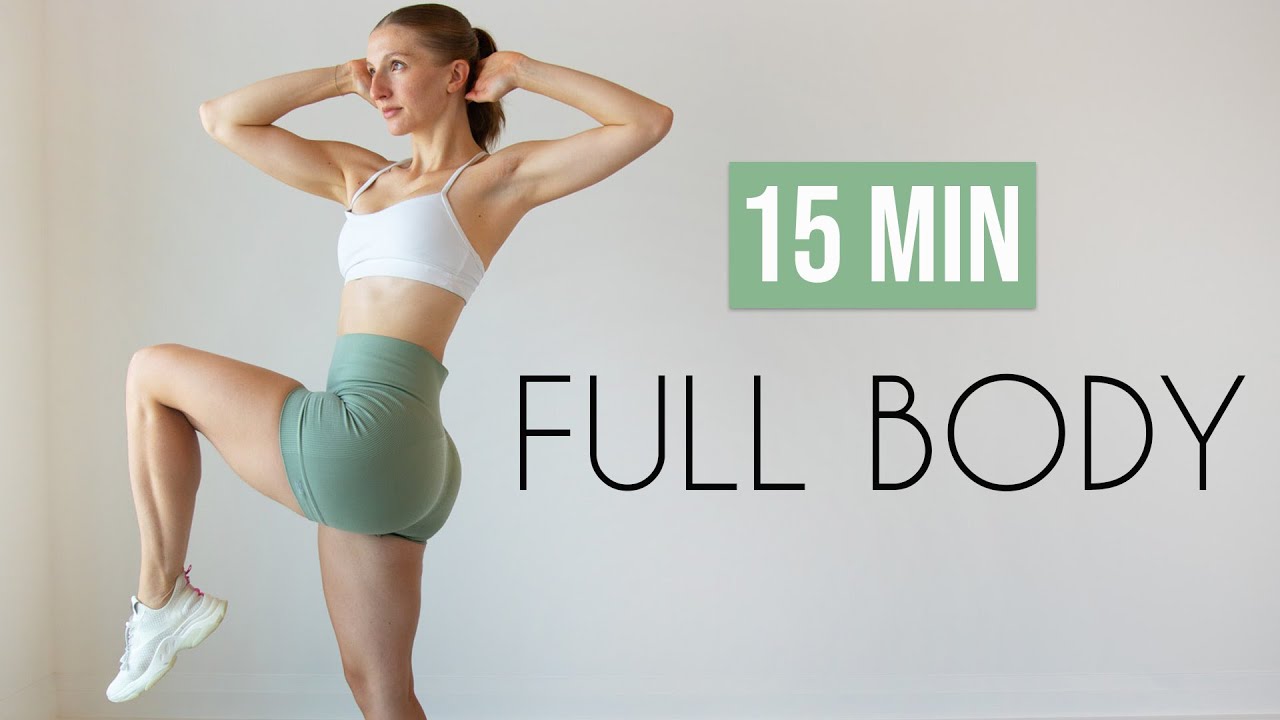
1. 15 minute Full Body Workout - MadFit
What? A short, low-impact core and lower-body focused class
Why? “This is a great workout for those with sensitive joints or a small space,” says Long. “There’s no jumping, but it still creates heat, lifts energy and refreshes the mind.”
How long? 15 minutes.
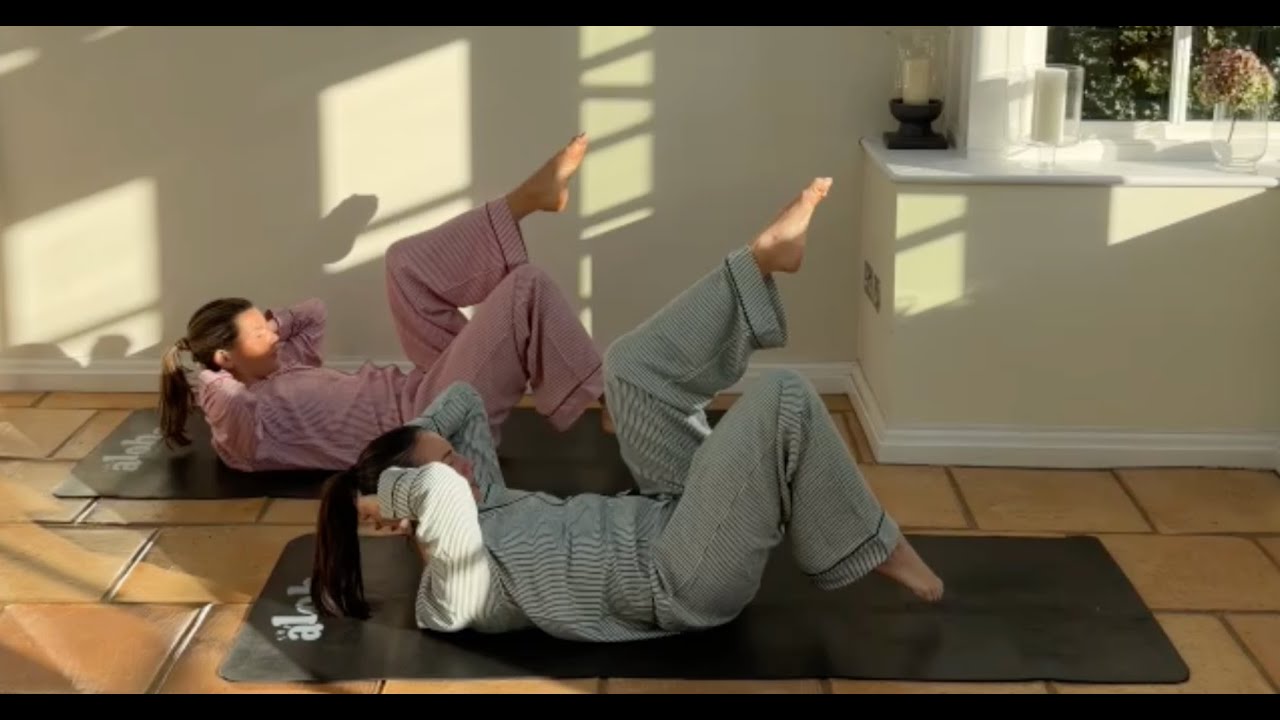
2. Full Body Pilates - The Aloha Girls
What? An all-levels glutes and core-focused Pilates class
Why? “This workout is perfect for busy days or mornings where you’re running low on motivation,” says West. “You can stay cosy in your pjs but still get a really effective workout in.”
How long? 20 minutes.
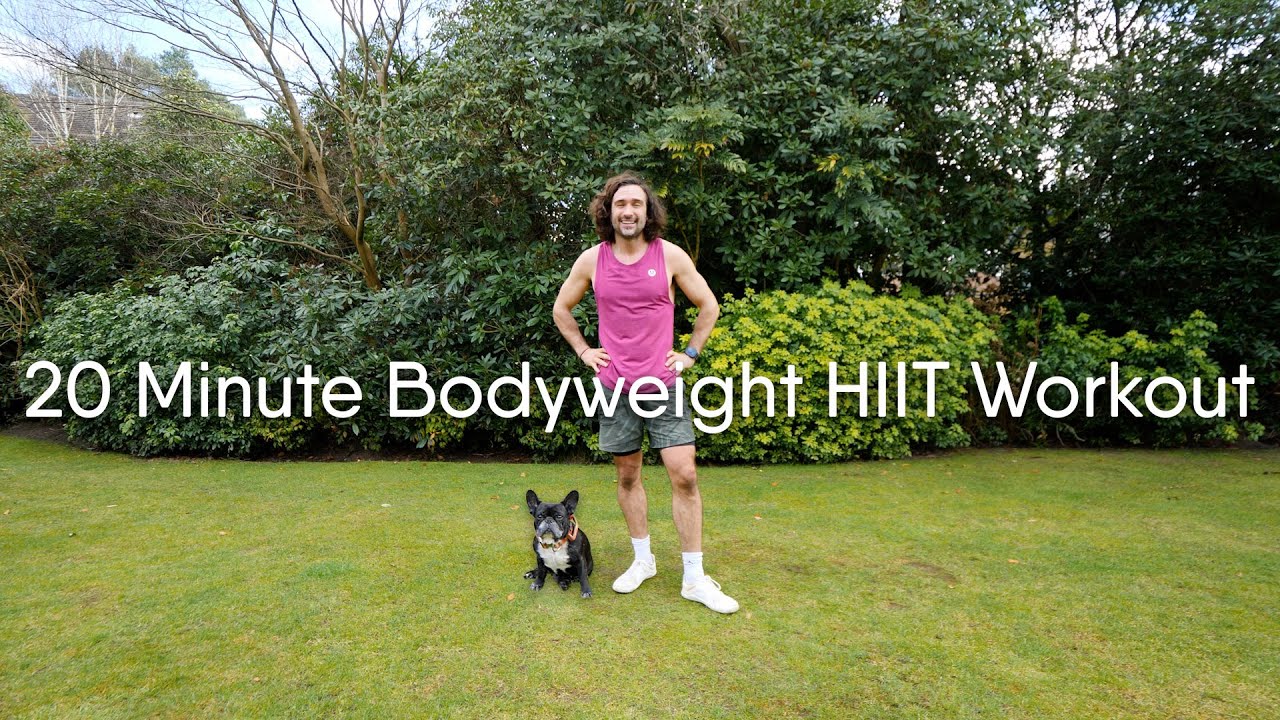
3. 20-minute Full Body HIIT - Joe Wicks
What? A short high-intensity blend of cardio and strength movements targeting the whole body
Why? “This is a perfect bite-sized session for the early morning or midday reset,” says Long. “It’s bright and uplifting, which is ideal for raising mood and metabolism without the need for equipment.”
How long? 20 minutes.
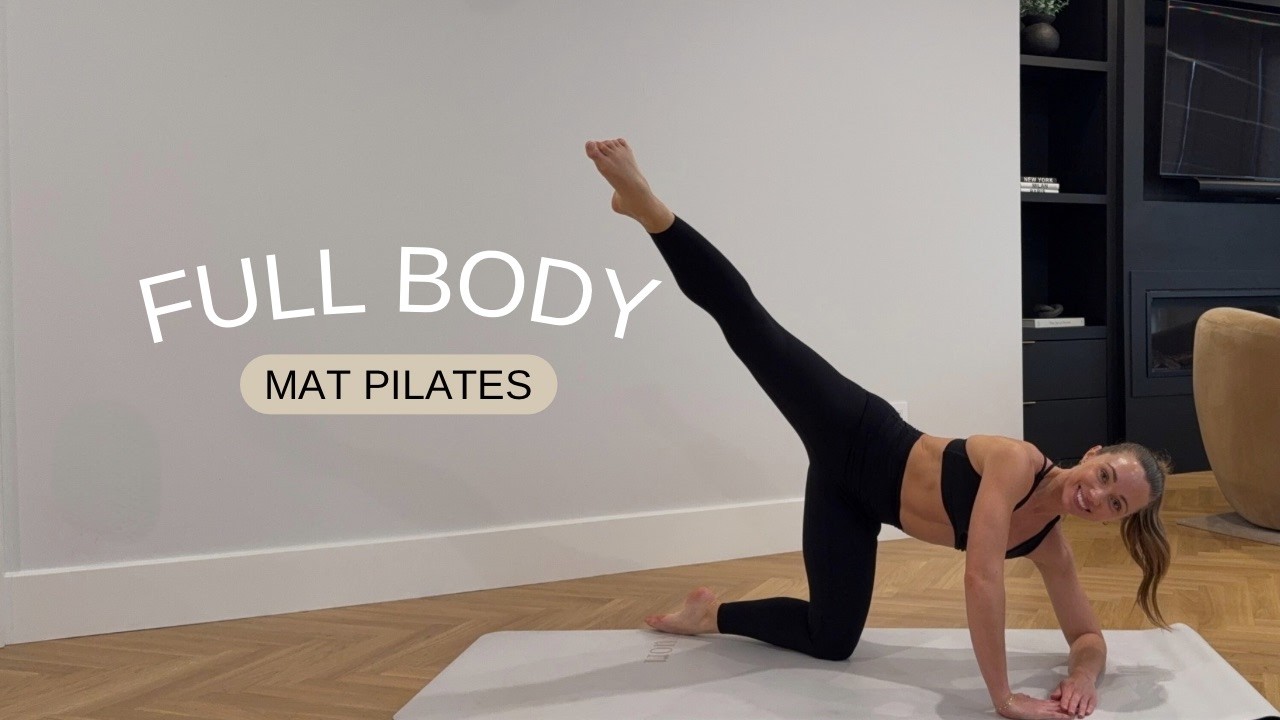
4. 25-minute Full Body Pilates - Courtney Watts
What? A full body, low-impact and beginner-friendly Pilates class
Why? “This is a great beginner-friendly class, perfect even for more advanced practitioners who want to reconnect with their body,” says West.
How long? 25 minutes.
5. Full Body Cardio Workout - Growing Annanas
What? A cardio-based interval HIIT session with short recoveries
Why? “This is for anyone looking for a challenge,” says Long. “It blends strength and cardio, and is the ideal workout for when you want to feel powerful, energised and fully activated.”
How long? 30 minutes.
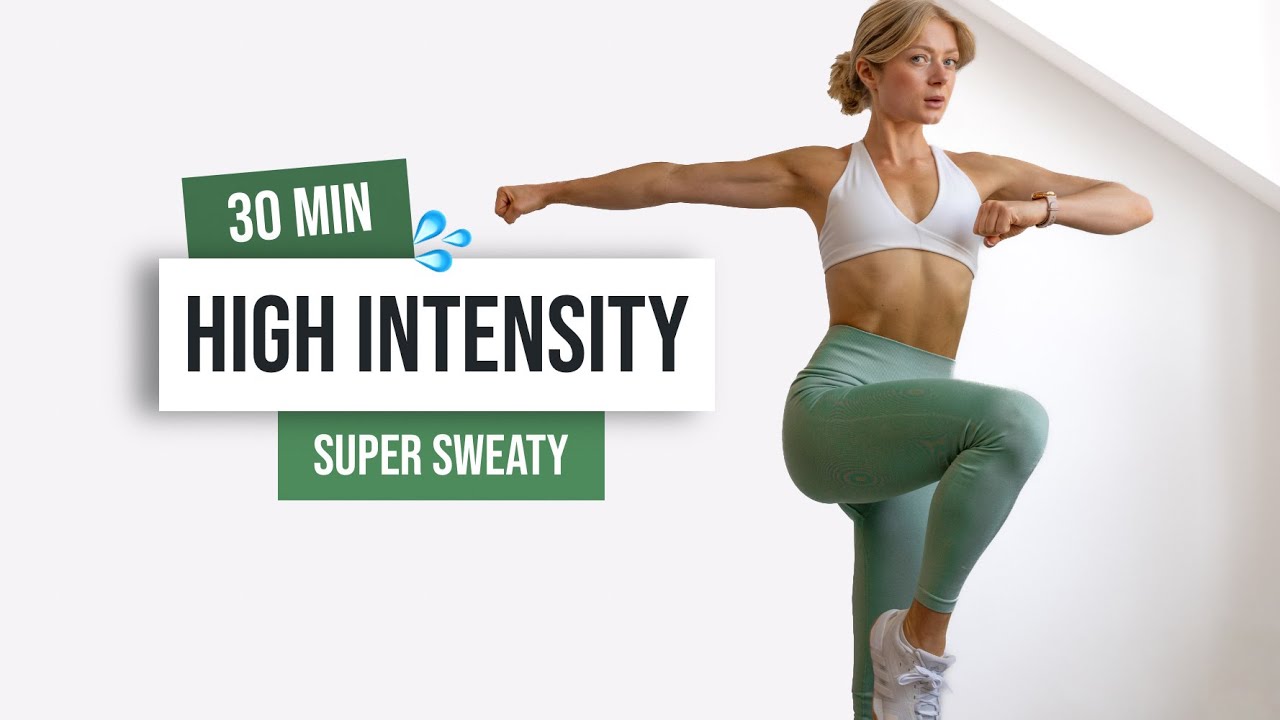
6. 30-Minute Walking Workout - Pop Sugar Fitness
What? An upbeat, half-hour walking workout that's all low impact.
Why? "This is a fantastic way to build endurance and improve cardiovascular health without feeling overwhelming," says trainer and founder of Dare To Be Fit, GraceReuben. "For beginners, this can help build confidence and establish a fitness habit without diving straight into something too intense."
How long for? 30 minutes.
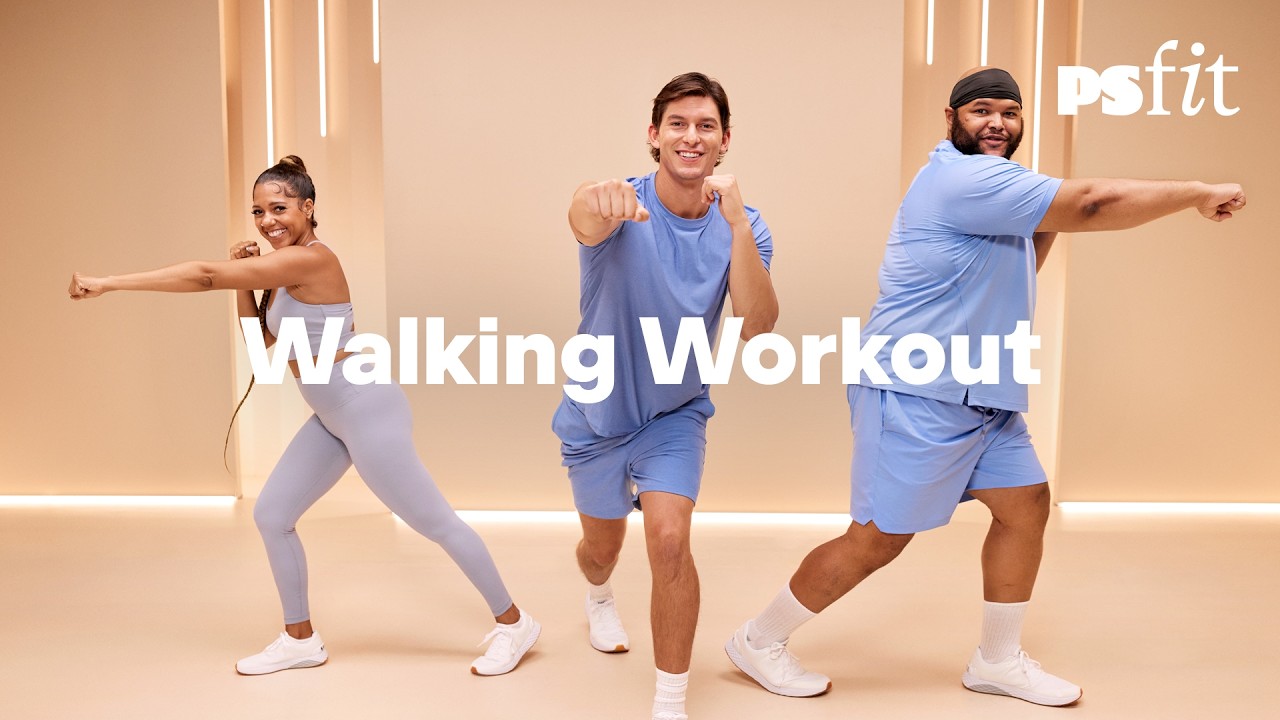
7. 50-Minute Full Body Pilates - Demi Worldwide
What? A deep core-focused Pilates-inspired strength session, targeting both the upper and lower body
Why? For when you’ve got a little more time to play with, “this is a challenging class to build strength, flow and improve your deep core strength,” says West.
How long? 50 minutes.
Shop MC-UK Approved Home Workout Kit Now:

Looking for the most comfortable leggings ever to exist? Allow us to introduce - the lululemon Align. High-waisted, buttery soft and breathable, this is a pair you’ll reach for even on rest days. We love them so much, our team have them in almost every colour.

If you’re in the market for a new pair of workout headphones, look no further than the new Powerbeats Fit. These buds don’t budge, no matter how many burpees and squat jumps you throw at them. Plus, with both noise-cancelling and transparency modes built in, you can get totally in the zone.

Finding the right sports bra is no simple feat. So when I find a good one, you can best believe I tell every woman I know. The Vuori AllTheFeels Bra tops my list for low-impact workouts. Supremely soft and stretchy, it’s lightweight and perfect for anything from Pilates to Yoga and strength.
How many bodyweight workouts should I do per week?
There’s, of course, no one-size-fits-all, and listening to your body is always the first port of call. But as we know, consistency is the secret ingredient to any successful workout routine, which is why Pilates instructor Alice West recommends at least two to four bodyweight sessions per week.
“This gives your muscles enough consistent stimulation to build strength and endurance,” she says, adding that your sessions don’t necessarily need to be long. “Thirty minutes is plenty, as long as you're making sure your movement is intentional, controlled, and that you’re feeling the muscles under tension,” she says.
