Get Reformer Results From Home This January With An Instructor's Pick Of The 5 Best Pilates Board Workouts
Pilates Princess era pending...


There’s a reason Pilates is the workout everyone can’t stop talking about. It’s the low-effort girl’s ultimate workout, the wellness world’s long-standing secret to a powerful core, and the reason your social feed is flooded with pastel-hued Reformer studios that serve matcha on tap. And its rise isn’t slowing: according to Google, over the past twelve months, there have been between 100,000 to 1 million monthly searches for the term "Pilates."
Pilates offers what so many of us are desperate for in winter: functional strength, deep core support, mobility that doesn’t require 5 am HIIT club energy, and a slower, more embodied route into feeling strong. Instead of pounding pavement or stacking barbells, Pilates invites a mindful rigour - you lift, lengthen, stabilise, repeat.
But there’s a shadow side to the Reformer boom: the price. Boutique studio memberships regularly sit at £200+ a month, and at-home Reformer machines, if you were to buy your own, can cost more than a weekend in Paris. For many, the image of Pilates has drifted towards something unattainable, exclusive, and inaccessible.
Enter: Pilates boards. A streamlined, far more affordable at-home option that gives you a slice of Reformer control without needing to sacrifice your entire living room to the apparatus. With a lightweight wooden or composite platform plus adjustable resistance cords, it recreates those signature gliding, lengthening moves - meaning you can strengthen your core, stabilise your spine, and lengthen tight muscles from the comfort of your bedroom floor.
And yes, before you ask, these workouts really can deliver Reformer-style results at home when used safely and consistently. One study found Pilates can improve muscle strength, flexibility, balance and overall quality of life, while similar research in 2021 showed that just twice-weekly sessions over eight weeks significantly boosted abdominal strength and posture.
“At home equipment and portable reformers have made the method more accessible, and for many people, that convenience is what allows them to build consistency,” says qualified Pilates instructor James Shaw. Consistency, after all, is the secret behind all fitness results. Personal trainer Aimee Victoria Long agrees that you don't have to invest in a studio to see results. “Micro-workouts, like short Pilates flows you can do at home, meet that need perfectly - they’re approachable, can be done almost anywhere, and still provide measurable results when done regularly.”
To help you make the most of yours, we consulted the experts to round up the smartest, most efficient Pilates board exercises to build strength, enhance mobility, and ease stiffness this January.
Looking to level up your at-home Pilates game? Check out our edits of the best Pilates bars, Pilates sliders, and Pilates clothes, if you're keen to improve your kit. Or if it's workouts you're after, don't skip our guides to the best modern Pilates exercises, the best 10-minute Pilates workouts, the best Pilates exercises for beginners, and the best advanced Pilates exercises, here.
Pilates boards are trending for their affordability - your expert guide on how to use them efficiently
What is a Pilates board?
Think gliding platform, light resistance cords and slow, controlled movement designed to mimic the carriage-and-spring work of a Reformer, just minus the steel frame. Rather than mat Pilates, which relies on bodyweight alone, the board creates friction and controlled slide, adding muscular demand and lengthened resistance.
As Shaw puts it, “Classical Pilates is a precise, educational system, and the apparatus was never designed to mimic gym equipment or simply deliver a quick burn. Its springs provide feedback, helping you understand alignment, develop body awareness and integrate the whole body, not isolate muscles.”
A board can’t fully replicate the spring tension of a Reformer, but it can help build strength, improve movement integrity and deepen that foot-to-core connection that seasoned practitioners rave about.
Who is a Pilates board good for?
If you love the Reformer feel but don’t love the price tag or have access to regular classes, a board is your best purchase. While most people can benefit from using a Pilates board at home, it is best for:
- Beginners needing friendly structure: It offers access to training without intimidation - ideal if a Reformer studio feels daunting.
- Those balancing busy schedules: “Micro-workouts meet modern life perfectly,” as Long puts it. Ten minutes of exercise consistently is enough to see results.
- Athletes in recovery mode: Controlled eccentric loading helps runners, cyclists and HIIT devotees correct imbalances and support joints.
- The work-from-home exerciser: Equipment small enough to slides under the bed, that doesn’t dominate your living room? We're sold.
Are there any risks to using a Pilates board?
Pilates boards are designed to glide, which means they can feel unsteady at first. That movement is intentional, but it does require control - so beginners may need to slow down and take time to find balance.
As Shaw explains, “Pilates at its heart is an education.” He adds that real-time teaching helps people progress safely, which is why he recommends virtual sessions when in-person instruction isn’t possible.
Anyone dealing with knee, hip or lower-back issues should also be cautious when adding resistance. Scaling back, modifying or checking in with a qualified instructor can make the difference between strengthening well and overloading too soon.
That being said, Shaw is clear on the benefits: “With thoughtful guidance, practising Pilates at home can absolutely help people build strength, improve posture, increase mobility and cultivate consistency.”
5 best Pilates board exercises to do at home, according to an expert
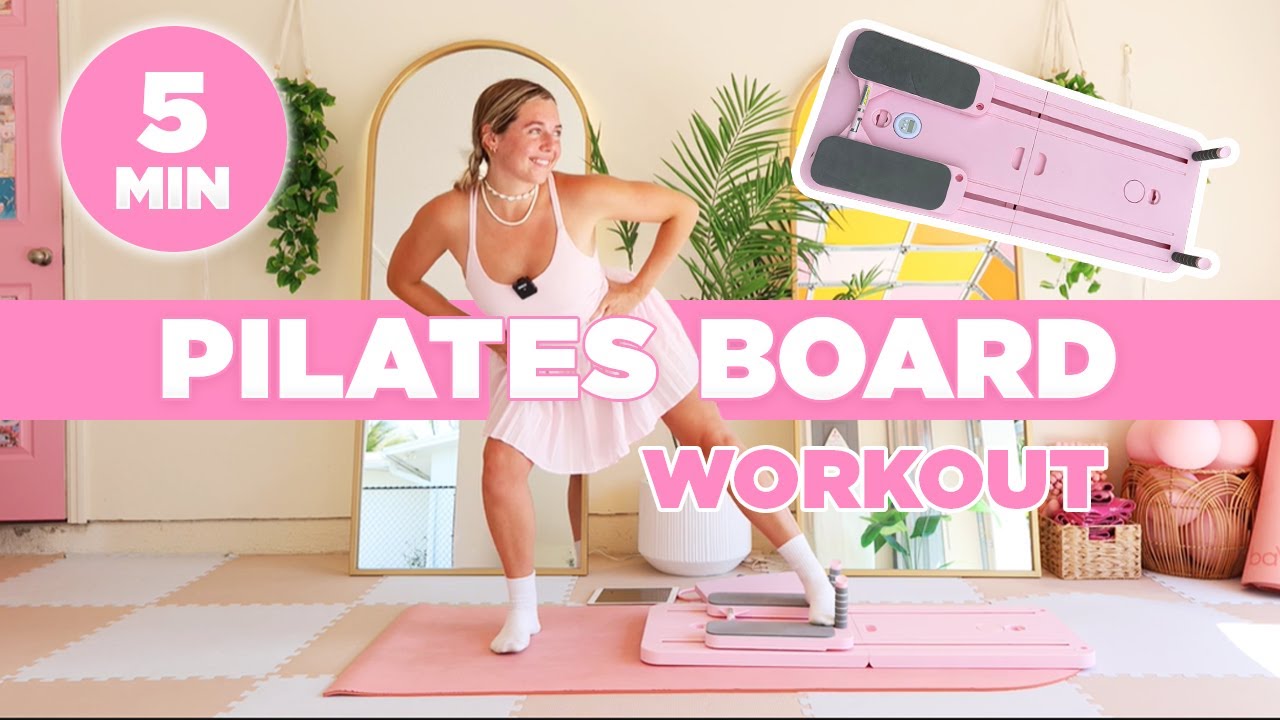
1. 5-minute full body Pilates board workout
What? It's hard to believe a five-minute workout can really make a difference, but when paired with other mindful movement as part of a balanced fitness routine, such as daily walking, these mini flows can pack a serious punch.
"It's short, requires minimal space, and uses bodyweight to create surprising muscle burn," adds Long.
Why? If you're seriously short on time but need a workout to engage your muscles and reset your nervous system, this flow is for you.
How long? 5 minutes.
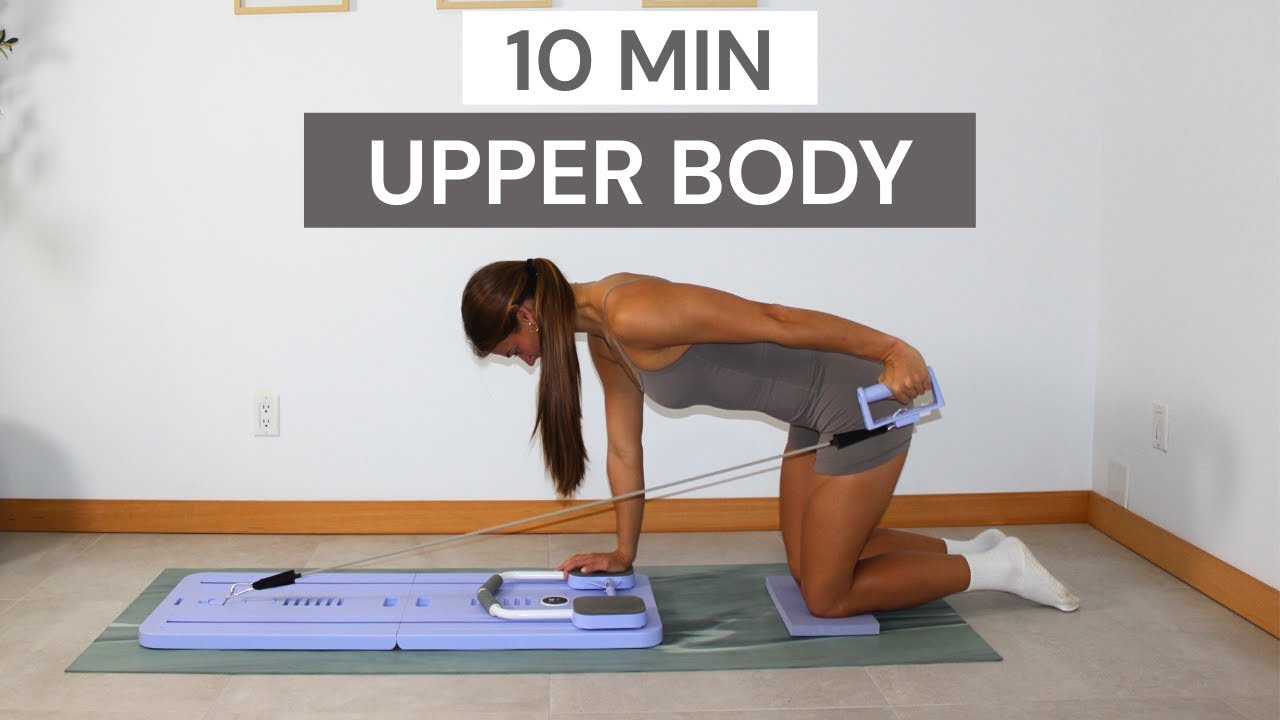
2. 10-minute upper body
What? This upper-body Pilates board session delivers targeted sculpting through slow, controlled resistance rather than high-impact reps. Expect refined strength work for the arms, shoulders and triceps, with an emphasis on posture, breath and muscle endurance rather than bulk
Why? Anyone looking to build upper-body strength without heavy weights or joint stress will benefit from this flow. It’s especially supportive for those who spend long hours at a laptop and want to rebalance posture, runners and reformer regulars wanting extra arm work, or beginners who prefer low-impact training that still delivers noticeable results.
How long? 10 minutes.
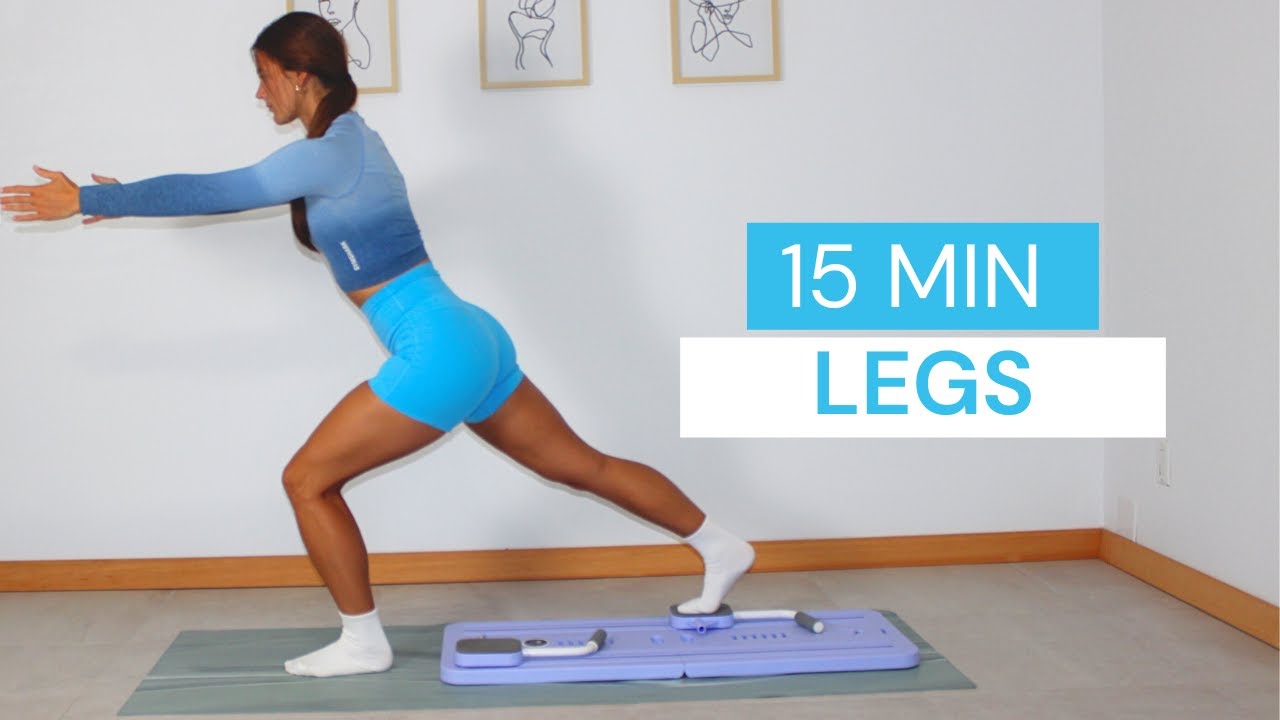
3. 15-minute lower body workout
What? This simple workout is great for engaging the feet, working out your lower body, and boosting alignment.
Why? Beginners, listen up: this sweat session is great for anyone needing a structured warm-up or individuals working on foot-to-core connection.
Those with significant balance issues may prefer to start lying down or supported. Shaw recommends starting with a lower-body warmup because it organises the entire body before any deeper choreography. It connects the feet to the seat, warms the legs, and lays down the blueprint for how the rest of your session should feel. It’s especially useful, he notes, for beginners or anyone who needs a structured warm-up and clear foot-to-core connection.
How long? 15 minutes.
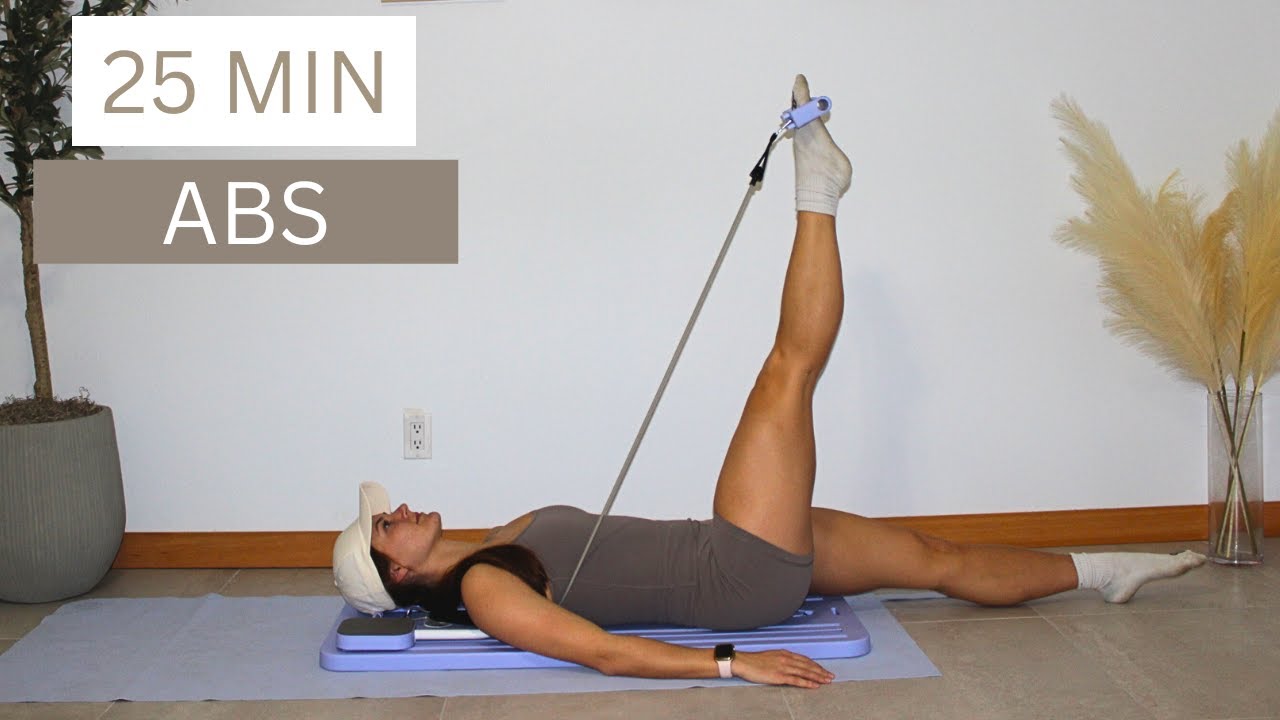
4. 20-minute abs and core workout
What? Another workout building heat, deepening breath capacity, engaging the centre and integrating breath with movement. Core exercises can be scaled to increase or decrease intensity.
Why? Most people, from beginners learning basics to advanced students layering in more challenge, will benefit from this workout. "People with neck sensitivity may need modifications or head support for some exercises," says Shaw.
How long? 20 minutes.
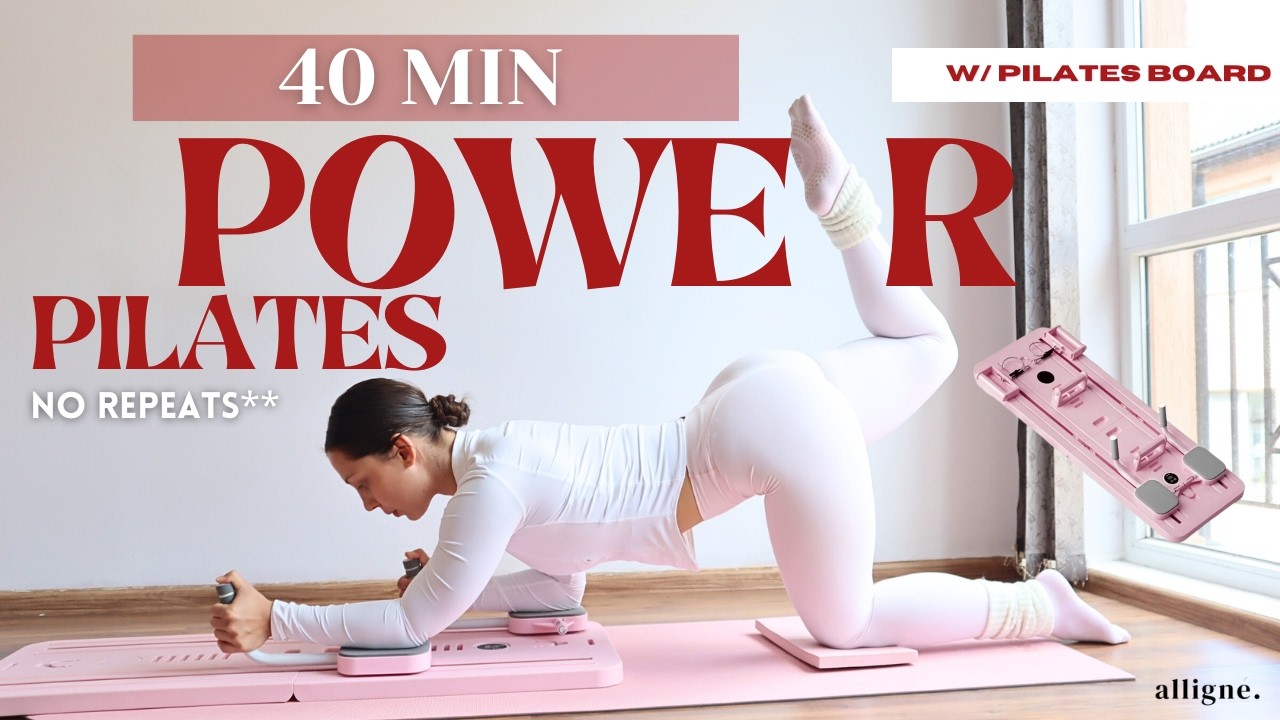
5. 40-minute Pilates board workout
What? This 40-minute full-body Pilates board session builds strength and sculpting without sacrificing flow. With no repeated exercises, the workout stays mentally engaging while targeting every major muscle group - abs, glutes, arms, legs and deep core - through controlled resistance rather than impact. The glide element of the board enhances stability training, meaning you’re not only toning but also improving balance, joint support and muscular endurance. Expect a steady, low-impact burn that leaves you taller, steadier and genuinely worked from head to toe.
Why? Ideal for anyone who wants a reformer-adjacent challenge at home with clear structure and no choreography overwhelm. With optional ankle weights and built-in warm-up and cool-down, it’s also a great progression option for beginners ready to deepen their practice while keeping things low-impact and form-focused.
How long? 40 minutes.
Shop the best MC-approved Pilates essentials below

This foldable Pilates board delivers the glide, control and resistance you’d expect from a studio setup, minus the footprint. Its lightweight build makes it genuinely easy to move and store, but it still feels reassuringly stable - even when you’re working through more dynamic sequences. Reviewers repeatedly call out how impressively quiet it is, which means early-morning sculpting sessions won’t wake flatmates or family. The cushioned knee pads are a thoughtful bonus for comfort during low-load core and stretching work, and the smooth track allows you to transition between Pilates, strength and mobility training without any clunk or drag.

These handy weights will add resistance to any type of Pilates workout - plus, they're aesthetically pleasing and a great price point. What's not to love?

I’m a huge fan of Vuori’s activewear for its combination of comfort and style. These flared pants are soft, stretchy, and practically effortless to move in. The slim flare cut keeps things polished enough for errands or a post-workout brunch, while the buttery, flexible fabric moves with you through every pose, stretch, and flow. Low-effort on your part, high-reward for your comfort.
Is the TikTok viral Pilates board actually worth it?
You might have spotted Pilates boards all over TikTok, where their at-home versatility has made them go viral. What you get out of a Pilates board really depends on the exercises you choose. While it isn’t a full replacement for a Reformer machine, it offers a dynamic, space-saving workout that won’t break the bank. If you’re looking for an affordable way to practice Pilates at home with similar movement patterns to a Reformer, a Pilates board is a smart option.
