I Practised Frog Stretches for Tight Hips for Two Weeks – and Released Years of Built-Up Tension
Your hips called. They want attention.


At this point, my hips have been tight for so long that I genuinely don’t remember what “loose” hips are supposed to feel like. And as various physios have explained to me over the years, it’s not simply because I don’t stretch enough. It’s also down to weaknesses in my core and glutes, which work alongside the hip flexors and adductors to support the joint, balancing stability with mobility.
That said, stretching would definitely help. But do I do it? I do not, and I’d wager many of you can relate. Stretching, even as a health writer, often feels like adult homework: when you get back from a run or log off after a long day, the last thing you want to do is roll out a yoga mat and dedicate 20 minutes to loosening your body. Far more appealing to curl up into a pretzel and doomscroll your way to dinner instead, right?
Wrong, obviously. And while I joke, the truth is that stretching is usually the first thing to slip when life gets busy. Which is why, when my editor challenged me to commit to a daily stretching routine, including frog stretches and swan extensions, I jumped at the chance. With a bit of external accountability, I wanted to see whether two weeks of consistent stretching could finally make a difference to my perpetually achy hips.
For how I got on, and why I now think frog stretches deserve more credit than they get, keep scrolling. And for more on relieving hip tightness, see our guides to the best hip-releasing yoga poses, the best exercises to strengthen your hip flexors and the best glute strengthening exercises to keep your body in balance.
Two Weeks of Frog Stretches Eased Years Of Hip Flexor Tightness - Your Guide To This Underrated Move
What is the frog stretch?
Even if you’ve never practised the move before, its name probably gives you a fairly good idea of what a frog stretch looks like. A pre-warning, though: it can feel surprisingly vulnerable at first. Essentially, it involves coming onto all fours and taking the legs out to roughly right angles. The frog stretch “targets the hips, inner thighs and outer glutes,” says fitness instructor and author Eloise Skinner.
It’s a fairly deep and often intense stretch, which is why Skinner recommends moving into it slowly and with care, by “slowly easing the knees outwards from an all fours position.”
What are the benefits of frog stretches?
1. It eases hip tightness
There’s no doubt that the frog stretch can feel like a breakthrough for anyone with tight hips, particularly if, like me, you spend much of your time crouched over a laptop or commuting. Physically, tight hip flexors and adductors (the muscles on the front and inside of your thighs) are common in people who sit a lot and may contribute to reduced range of motion and compensatory tension elsewhere in the body.
And whilst research doesn’t look at the frog stretch in isolation, studies on various hip‑focused stretches show that targeted stretching can measurably increase hip flexibility and range of motion, which may help ease that stuck‑feeling in the pelvis and groin region.
2. It works multiple muscle groups
I love nothing more than a muscle multitasker, and that’s exactly what the frog stretch is. “The inner thighs, calves and outer glutes also receive a deep stretch,” Skinner tells me. “There’s also some shoulder strengthening work for the upper body and a core stability challenge which comes from supporting your body weight as you deepen the stretch.”
3. It's adaptable
The frog stretch is generally considered an advanced stretch, as the position requires a high degree of flexibility. But as Skinner says, the beauty of the move is that it can be personalised to suit your range of movement.
“The various positions, such as dropping onto the forearms or adding in some movement, give us the opportunity to progressively deepen the movement, and to tailor it to our preferences.”
It’s important to listen to your body, here, as a deeper stretch is not always better. In fact, research on hip stretching suggests that starting gently and building up over time is one of the best ways to increase range of motion without compromising the strength of the muscle.
4. It can trigger emotional release
“We can store a lot of emotional tension or memory in the hips, so the frog can be a great posture to get things shifting or releasing,” says yoga and breathwork teacher, Jenny Haynes. Like Skinner, she notes that it can be quite an intense posture but says that sometimes intensity is what we need to release both physical and emotional tension.
“Working on relaxing and breathing into the sensation, rather than gripping or 'fighting' it, can also be fantastic for mental resilience and focus,” she adds, explaining that it’s in these moments of stillness that our nervous system is calmed, and we’re able to connect to ourselves.
@samgach Frog pose is 🐐
♬ Radio - Lana Del Rey
How to perform a frog stretch with proper form:
The most important thing, both Skinner and Haynes tell me, is to start slowly. “We want to be looking after our knees and bodies here,” says Haynes, “so be mindful not to over-stretch to begin with, and to use plenty of padding under the knees if you get discomfort or pain there.”
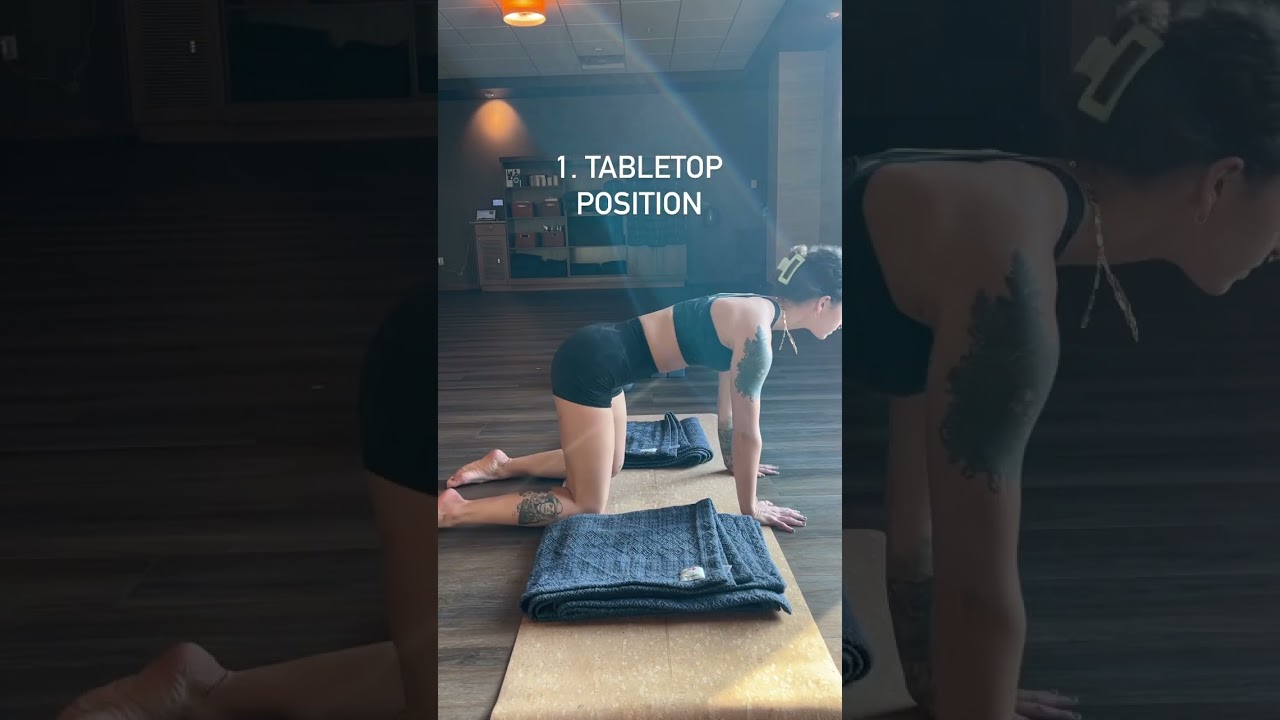
1. Start in a table-top position
A table-top position, or all fours, is your starting point. From there, Skinner says to “slowly ease the knees outwards and lower the body towards the ground.”
2. Turn your feet outwards
In a frog stretch, the feet are usually turned out, and usually flexed. As Skinner reminds us, “this will depend on your ankle mobility, but there should be no pain or discomfort in the ankles.”
3. Keep your core engaged
To protect your spine, engage your core and avoid arching your back, says Haynes. “Unless you’re doing the frog in a yin setting, with a cushion to support you, you want to elongate the spine and use the core to support rather than letting yourself sag, overarch or round too much.”
4. Introduce movement
Initially, your knees should stay in line with your hips. Once you’re comfortable, Skinner says you can add gentle movement by rocking the hips backwards and forwards.
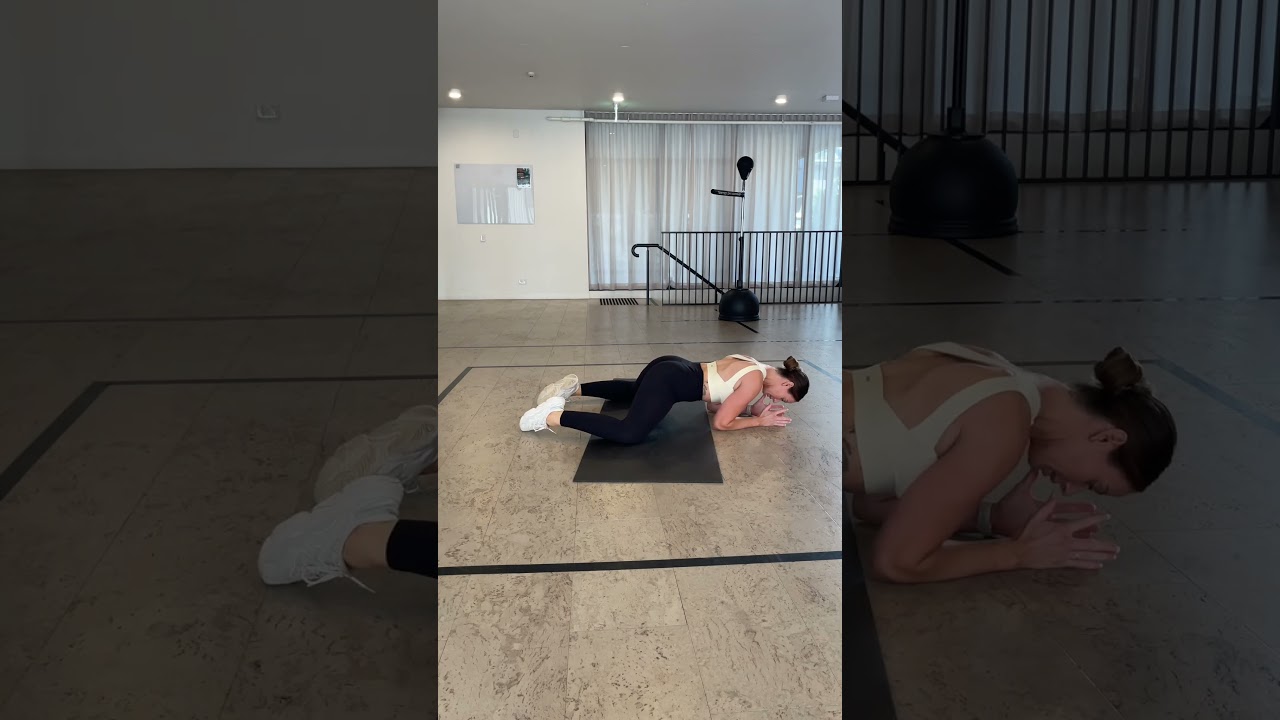
5. Drop onto the forearms
To deepen the stretch, Skinner suggests dropping down onto the forearms, but reminds us that the feeling we're looking for is one of deep stretch, rather than anything “that feels sharp or too intense.”
6. Keep breathing
It’s all too easy to hold your breath when a stretch is uncomfortable or intense at first. But the breath is one of the most powerful communicators we have, as Haynes explains. “A relaxed breath helps the body relax,” she says. “Notice if your breath is tense or tight, and try to find a sensation in the body that you can relax into, keeping a slow gentle breath throughout.”
7. If you feel knee pain, try a different stretch
“It's important not to hurt your knees performing this stretch,” says Skinner. She recommends adding a blanket under your knees, or switching to a different movement if needed. “A move like a happy baby still gives you some of the benefits of the frog stretch, but with the pressure taken off the knees and ankles,” she explains.
I Tried Frog Stretches Regularly For Two Weeks - And Eased Years of Hip Tightness
Week one
At the start of my challenge, I was most conscious of not overstretching. As Skinner had warned, the frog stretch is an intense movement, and it’s very easy to rush into a deep position too quickly. Ironically, that can make the muscles and tendons too lax, which I know increases risk of injury by creating instability
For that reason, I decided to limit my frog stretches to four times a week. Pre-exercise, I kept my movements dynamic, gently rocking my hips forwards and backwards to boost blood flow, warm the muscles, and improve range of motion. Post-exercise or during breaks from work are when the static stretches come in. I held them for 30-60 seconds at a time, and it’s here that I was really working on increasing my flexibility.
On day one, I rolled straight out of bed and into a table-top position on all fours. My lower back and hips are especially stiff first thing, so I made sure to begin with gentler warm-ups: child’s pose, happy baby, downward dog, before gradually easing my knees apart, flexing my ankles, and pointing my toes out, as Skinner had suggested.

To start with, Ashleigh did the frog stretch with her arms straight and palms on the floor
Like lots of women, I’m naturally fairly flexible, so I was able to progress onto my forearms quite naturally. And though I’d expected to feel it in my hip flexors, it was my adductors that really noticed it. The stretch is undoubtedly intense, creating a warm, deep tension that tempts you to resist at first, but then slowly melts away. To be clear, though, at no point did it feel sharp or painful - if it had, that would have been my sign to ease off or stop.
After one minute, I could have stayed there all day. But with work calling, I got up, showered, and sat down at my desk. And sure enough, by mid-afternoon, my momentary hip mobility had faded, and I felt as bunched up as before.
Fast forward to Saturday, however, and after three days of consistent frog stretching, my newfound hip mobility was starting to become more sustained. I was heading out for a long run with a friend, and am used to hip tightness shortening my stride and disrupting my rhythm. Today, though, after including a dynamic version of the frog stretch in our warm-up, my hips felt free throughout the run.
Week two
When Monday rolled around, marking the start of my second week, stretching was actually becoming something I looked forward to. My favourite time was in the evening, sprawled on the floor watching TV. Normally I’d curl up on the sofa and start fidgeting within fifteen minutes when my hips inevitably stiffened. Lying in a froggy position on the carpet, sandwiched in by our two dogs, became my new comfort spot.
This week, I also combined the stretches with a glute and hip session at the gym, to make sure I was strengthening as much as I was lengthening. Three sets of leg press, hip abduction, adduction, and hanging leg raises challenged my glutes, core and hip flexors simultaneously.
After two weeks, I have noticed real changes in my body. Not only is five minutes of stretching much more manageable than I made it out to be, it’s also enjoyable, and genuinely improves my daily life: walking upstairs feels easier, running is more comfortable, and even doing core exercises feels less challenging.

Putting a blanket underneath her knees made the frog stretch more comfortable
My biggest tip? Make stretching fit seamlessly into your everyday life by fitting it into activities you already do, like watching TV. On the floor, you’re less likely to reach for your phone, you’ll feel better than if you were hunched up on the sofa, and you’ll truly relax before bed. Trust me on this one; your hips will thank you.
Shop MC-UK approved stretching essentials now:

I'm like a broken record when it comes to this yoga mat, but if you're series about stretching, having a well cushioned mat underneath you is going to make all the difference. With 5mm thickness, this one has plenty of padding along with a moisture-wicking top layer that means it doubles for sweatier practices too.

If you're keen to try the supported version of the frog pose, a bolster under your tummy makes for the perfect accompaniment. Sure, you can also use a firm sofa cushion, but from a shape perspective, this one from Yogamatters certainly makes things easier.

In search of comfy leggings? Look no further. This high waisted, seamless pair from MC UK favourite Adanola is like slipping on a pair of silky pyjamas that it just so happens you can work out in. Heaven.
How often should I be doing frog stretches?
On its own, the frog stretch can feel quite intense, which is why it’s important not to rush or overstretch, as Eloise Skinner, fitness instructor and author, explains.
“I always recommend integrating a frog stretch into a broader sequence of movement, with a lengthy warm up beforehand,” she says. Her suggestion? Two to three times a week for most people.
“For those working towards deep stretches like splits or other flexibility challenges, it might be appropriate to increase the frequency,” she adds, but cautions that when attempting more advanced positions, “it's best to practice alongside a teacher or in a class environment to make sure the stretch is safe for your body.”
Yoga instructor and breathwork practitioner, Jenny Haynes, agrees, adding that it can be helpful to pair a supported yin variation of the pose with a more active version. “Holding the pose for 3-6 minutes using props to support you, and combining this with a more active 30-90 second frog pose is a nice way to explore the stretch in different ways,” she says.
Wherever you are with your frog stretching, Haynes reminds us that ‘depth’ of stretching isn’t just about physical progression. “Slowing the breath down and really focusing on sensation is a way of going deeper with the mind and emotional field instead of just the physical,” she says.
