I'm a Runner Who Relied On Lunges—But These 6 Other Strength Moves Made Me Faster and Stronger
Don't sleep on strength training for runners.


Spring is in the air, and for some of us, this can mean only one thing: it's marathon season. Everywhere we look, people are hill-sprinting, fartleking and carb-loading their way to 26.2 glory - and as training plans draw to a close, we're all hoping we've done enough, come race day.
While no trainer will deny that putting in the hard miles is central to training for a big race, there's another, often overlooked aspect of a well-balanced program that might just make or break race day: strength training.
"Running itself is excellent for cardiovascular fitness, but it does relatively little to maintain muscle mass or strength," explains personal trainer at Ultimate Performance, Emily Schofield. "That’s why strength training is so important if you love running. It provides the stimulus your body needs to preserve muscle and build strength, which running alone simply doesn’t offer. If you want to get quicker, stronger, fitter and faster while out running, then incorporating strength training into your routine is one of the best things you can add to your training programme."
Not content to just take our word for it? The science stacks up, too. This 2024 meta-analysis, published in the journal Sports Medicine, shows strength training to be effective in improving running economy (by which we mean how efficiently you use oxygen at race pace). Further studies (such as this one, published in The Journal of Strength and Conditioning Research) also reveal that strength training for runners improves performance and reduces the risk of injury - something no runner wants to contend with, this close to the marathon.
But all strength training is not created equal when it comes to pavement pounding - so, if you're keen to focus your sessions for maximum running benefit, keep scrolling. In the meantime, we have a mine of running-related content for your perusal: check out our guides to running advice for beginners, how to run a mile without stopping and how to run faster, as well as everything you need to know about AI running coaching apps, here.
Strength training for runners is key to improving performance and reducing injury - these are the moves to try today
What is strength training for runners?
While lots in the fitness world is complicated - especially when it comes to training for a marathon (or indeed, any other run), we're pleased to inform you that strength training for runners really couldn't be simpler. Essentially, you're working to build the very muscles you'll need when you lace up those trainers, from larger global ones such as glutes and hamstrings right through to the smaller (but no less important) stabilising muscles in the feet, calves and core.
"Strength training for runners refers to specific resistance exercises designed to improve, support and strengthen the muscles and tendons used when running," explains personal trainer and running expert Emma Bord. "It is one of the most powerful tools to help you run faster, reduce the risk of injuries and make you feel strong as you increase distance and/or intensity."
What are the benefits of strength training for runners?
We've touched on some of the benefits of strength training for runners above, but let's dig into the detail.
1. It improves running performance
This is the one that's likely to appeal to you most, but it's far from the only benefit to focus on. Where once running and strength were seen as mutually exclusive, the fact is that the stronger you are, the better you will run: the end.
"There is a temptation to plan your week around short runs, long runs, and interval training to increase your running speed and stamina, but I would recommend incorporating two strength sessions a week into your regimen," advises Schofield. "Strength training can support improvements in your running by helping you sustain faster paces for longer. Stronger muscles – particularly in your legs and core - contribute to better control of your stride patterns and more consistent running mechanics, particularly when you’re tired."
2. It increases running economy
As well as improving stride and pace, strength training boosts what we term running 'economy'; that is, how efficiently our bodies work when we're running. Just like any other machine, the more efficient we are, the better.
"A stronger body uses less energy at a given pace, meaning you can run faster or longer with the same amount of effort," explains Lillie Bleasdale, founder and head coach at leading online female running coaching collective PASSA. "More power equals better efficiency, which boosts overall performance."
3. It reduces our risk of injury
The world is full of people who tell us running is bad for our joints, and while it's true that it is a high-impact activity that stresses our joints, the stronger we are, the less likely this is to be a problem.
"Running is a repetitive and high-impact activity, with each step putting force through the body," notes Bleasdale. "Known as ground reaction force, the amount of force that goes through the body when our foot hits that pavement is often too much for three times our bodyweight - and without adequate strength, that load is absorbed inefficiently. This, in turn, can lead to increased injury risk.
"Strength training helps runners to better absorb and produce force, maintain good form when fatigued, and reduce strain on joints and our more passive structures (such as tendons and ligaments). In short, we're making the body more resilient to running, and reducing our injury risk."
4. It helps preserve muscle mass
As noted previously, while running is an excellent form of exercise, alone, it won't help us to build muscle mass or strength - something that starts to decline for women in our early 30s.
"In addition, strength training helps maintain muscle," agrees Schofield. "Running alone doesn’t provide enough stimulus to preserve muscle mass, so without it, many runners find they lose strength and muscle tone over time."
@herdiscussionspod why you NEED to strength train as a runner…🫢 Want to hear more tips and advice on how to become the best runner you can be? Head over to my YouTube or search ‘Her Discussions’ on Spotify to hear the full episode✨👟🏃♀️
♬ original sound - Her Discussions Podcast
6 best strength training moves for runners, according to top coaches
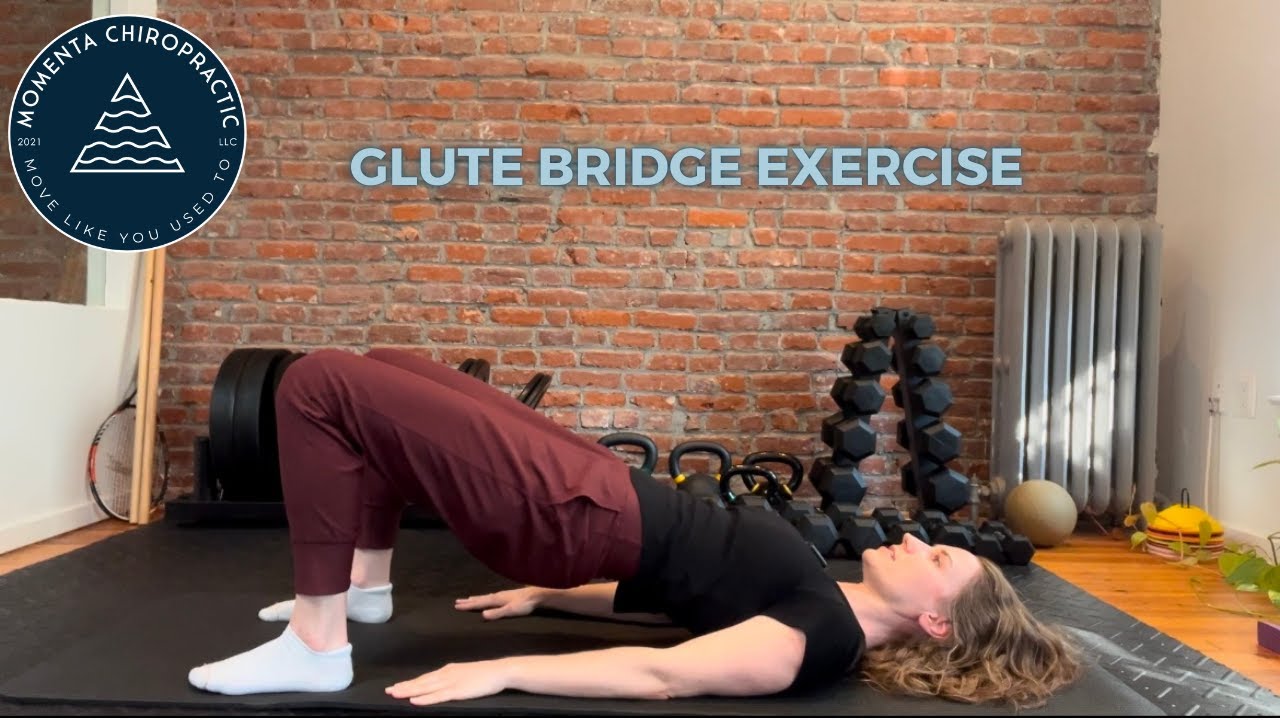
1. Glute bridges
What? Lie on your back with knees bent and feet hip-width apart. Press your hips and bottom up as far as you can, then hold and squeeze the glutes at the top before lowering slowly.
Why? "The glutes are one of the primary engines for running, responsible for hip extension and forward propulsion," says personal trainer Caroline Idiens. "When they are underactive, runners often compensate with the lower back or hamstrings, which can lead to injury. Activating and strengthening the glutes helps to stabilise the pelvis and improve stride power."
How long for? Three sets of 12 to 15 repetitions.
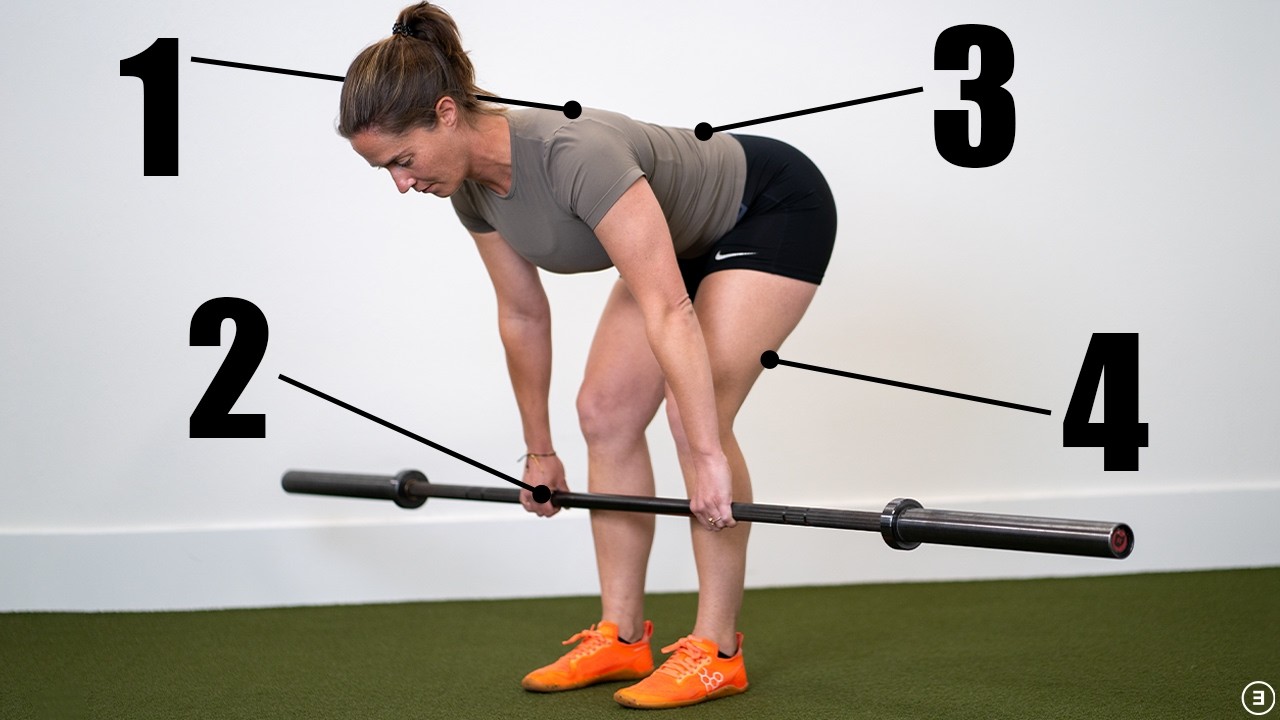
2. Romanian deadlifts
What? A classic strength training move, the Romanian deadlift is a staple in most weight regimes. To do them, stand with your shoulders back and chest lifted, holding a pair of dumbbells in front of your thighs. Keeping a slight bend in the knees, hinge at the hips and lower the weights down the front of your legs while keeping the back flat. When your chest is parallel to the floor, and you feel a stretch in the hamstrings, drive through the hips to return to standing.
Why? "The hamstrings act both to control the lower leg and help decelerate the stride when running," says Idiens. "Strengthening the hamstrings improves posterior chain power, protecting against common running injuries such as hamstring strains and knee issues. In addition, hamstring strength improves posture and supports the lower spine."
How long for? Three sets of eight to 10 repetitions.
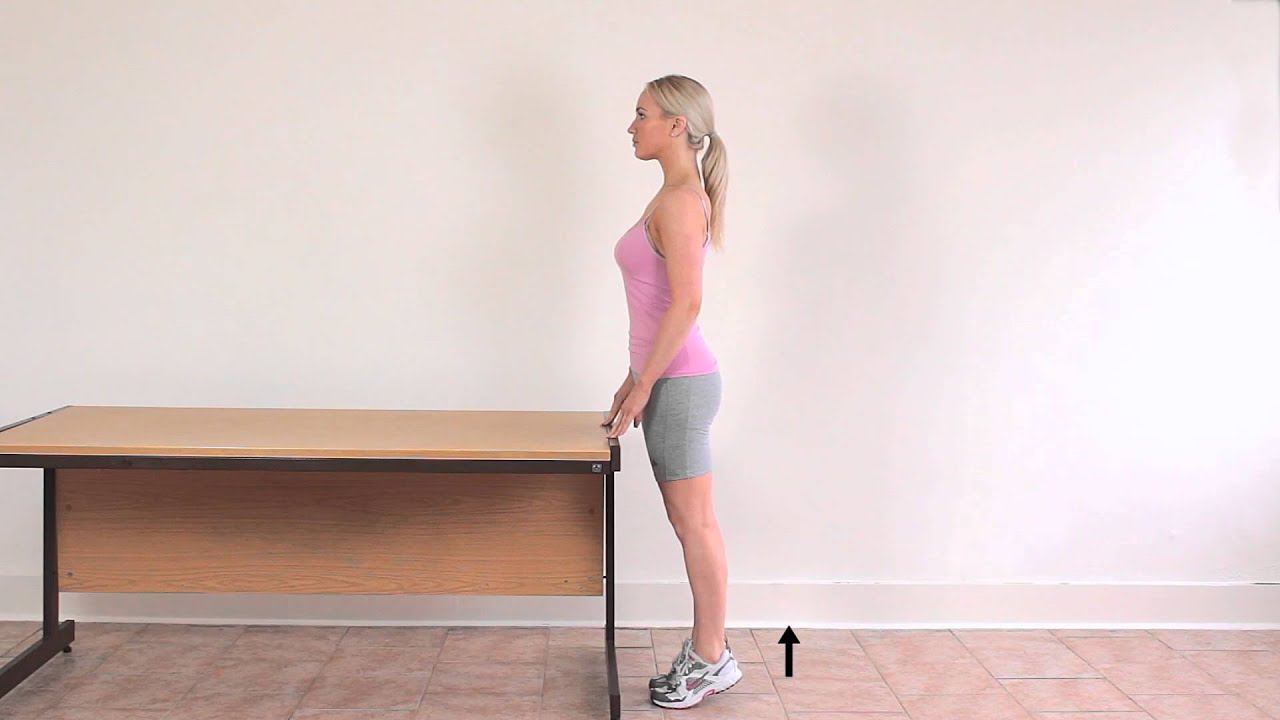
3. Calf raises
What? Exactly what they say on the tin: stand with feet parallel, slightly apart. Slowly and with control, raise the heels off the ground, ensuring you don't roll the ankles. Slowly lower back down and repeat.
Why? "Calf raises target the lower legs, which take a lot of the impact when running," says Bord. "These exercises will help strengthen this area, supporting the Achilles tendon, which can tighten up as well as help improve running bounce and efficiency."
How long for? Three sets of 10 reps will leave you begging for mercy.
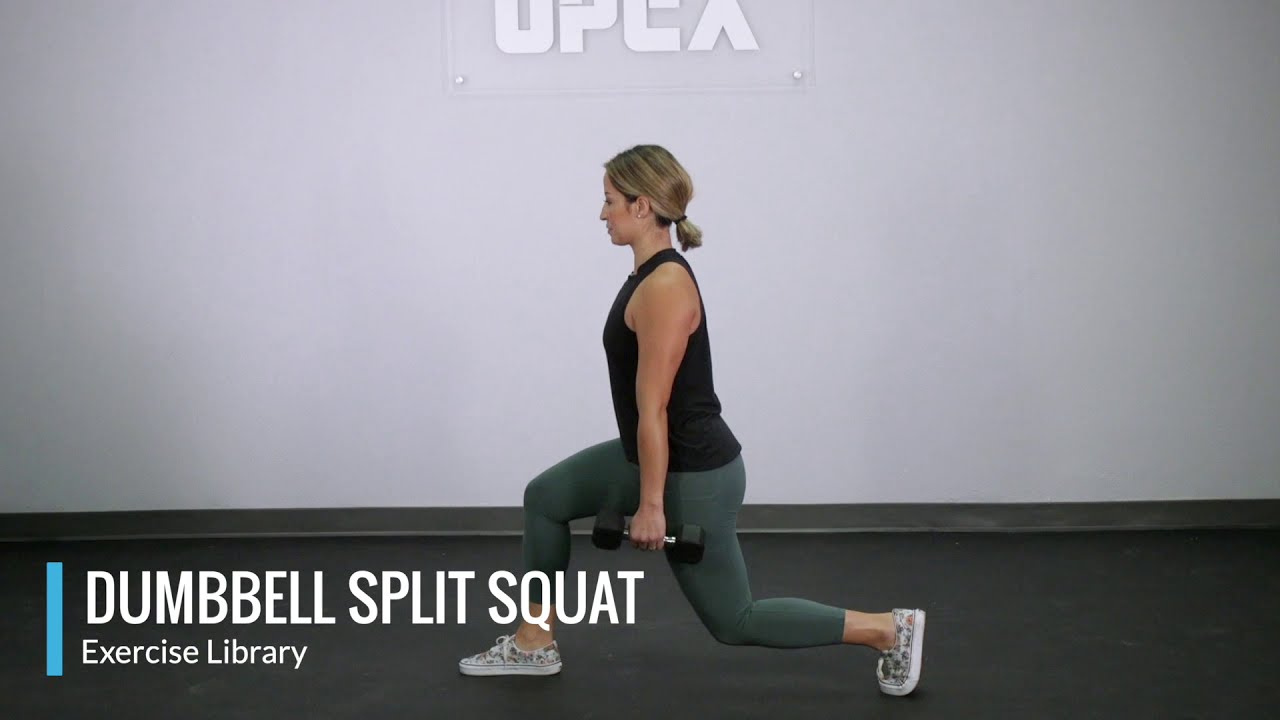
4. Split squats
What? Step one foot forward and the other back into a split stance. Lower the back knee toward the floor while keeping the chest upright and front knee tracking over the toes. Push through the front heel to return to standing.
Why? "Strong quadriceps are essential for shock absorption and knee stability when running, particularly during downhill sections or those later stages of a marathon when fatigue begins to affect your form," notes Idiens. "Split squats build unilateral strength and help correct muscle imbalances between legs."
How long for? Three sets of 10 to 12 repetitions per leg.
5. Dead bugs
What? Lie supine with your knees in tabletop and arms extended above your head. Slowly extend opposite arm and leg, keeping the lower back in contact with the floor and core engaged. Return to the centre and repeat on the other side.
Why? "Simple strengthening work helps maintain your posture and your stability, especially as you get tired," says Schofield. "A strong core allows you to hold your form more effectively, which improves efficiency and reduces the likelihood of compensatory movements that can lead to injury. Dead bugs are a great exercise for deep core control and stability."
How long for? Three sets of 12 reps (six on each side).
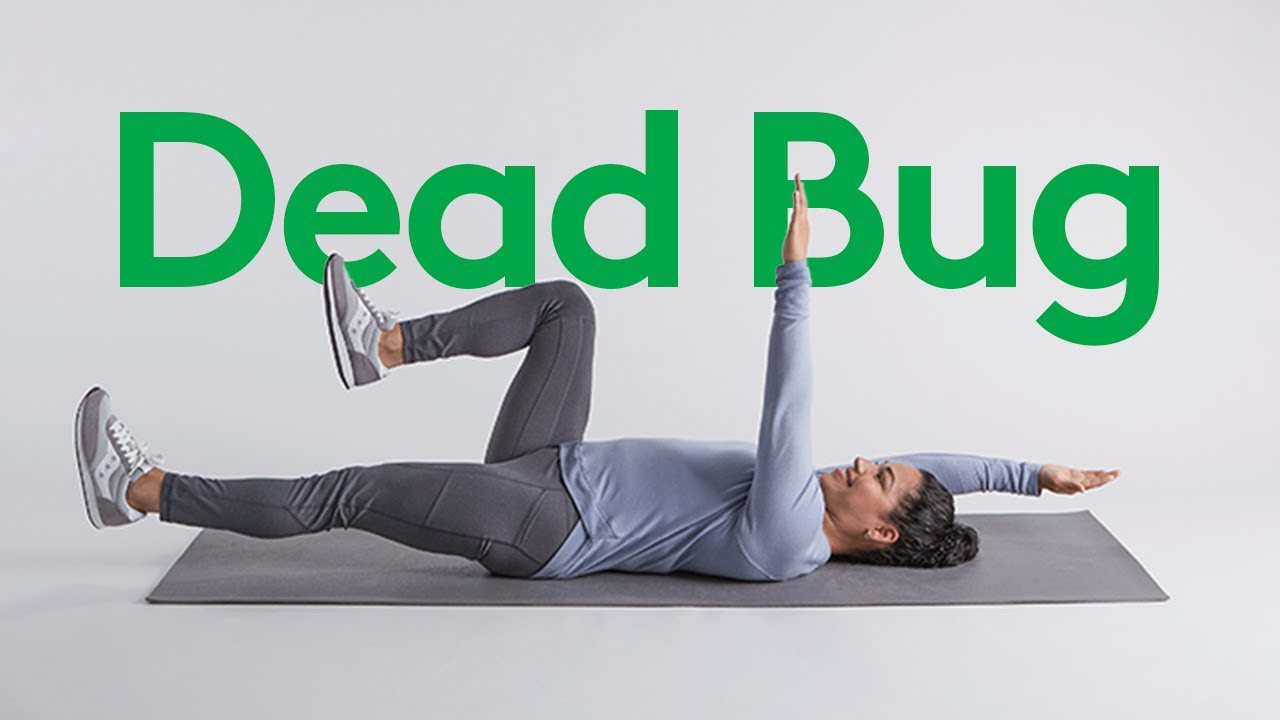
6. Chest press
What? Another standard strength exercise, the chest press will work the arms, chest and shoulders. Lying on the floor (or a gym bench) with knees bent and a dumbbell in each hand, lift the dumbbells above your chest and slowly release back down, concentrating on using muscle over momentum.
Why? "As counterintuitive as it might initially seem, I would also include some upper body pushing and pulling exercises, such as chest presses and rows," advises Schofield. "While they’re not directly responsible for propulsion, they contribute to overall balance and stability, which supports good running mechanics."
How long for? Three sets of 10 reps.
Shop MC UK's go-to running must-haves now:

Don't fancy the gym? Invest in these dumbbells, and you'll have everything you need to build some serious strength from home. Perfect for beginners and experienced lifters alike, you'll crush progressive overload.

Call off the search: we've found the perfect running shorts. They're comfy, smooth and won't ride up, plus - they've got five pockets (count 'em!) for those bits and pieces you can't go without.

No weights? No problem: slip these resistance bands across your thighs and feel the burn with bodyweight moves. One of the cheapest and most efficient ways to up the ante on your strength training, they're a coach favourite for a reason.
How much strength training do runners really need?
"Strength training should complement your running, not compete with it," advises Schofield. "You don’t need long, exhausting gym sessions to see the benefits. As little as 60 to 80 minutes a week of well-structured, consistent work on the gym floor goes a long way, literally and metaphorically."
"It’s also worth noting that in my experience, many runners actually underestimate how strong they can be. To maintain muscle and strength, you do need to challenge yourself. If the weights are always too easy, you’re not giving your body a reason to adapt."
"Finally, as always, consistency matters more than perfection. Two focused sessions each week, performed regularly and placed sensibly within your training schedule, can make a meaningful difference to both your running performance and your overall risk of injury."
"Ultimately, I see strength training as one of the most effective tools a runner can use, not just to run better, but to stay stronger, more resilient, and better prepared for the demands of their training."
