Move Over, Aches and Pains: 11 Best Yoga Stretches For Easing Tension, Tightness, and Stiffness
For anyone whose hips click louder than their group chat.


I’m getting old.
Well, I’m not, not really. But as I creep further into my late twenties, the aches and pains are starting to feel worthy of someone beyond my years. They’ve even become a running dinner table topic amongst my friends. Each of us seems to have acquired a niggle, a dodgy joint or a pulled muscle we can compare over pasta, right alongside our new obsessions with homeware and the unexpected thrill of a good vacuum cleaner.
Which is to say: we’ve officially graduated to caring about things we never used to. Including, crucially, the underrated power of a proper stretch.
If you’re still at the stage where you can finish a long run and wake up the next morning without achy knees or stiff hips, then allow me to share a small pearl of wisdom: start stretching now. A regular yoga practice (especially one with slow, deep holds) will buy you more years before you join the rest of us moaning about our backs on a Friday night. And if you’re already here? Rejoice. Because below, two top yoga teachers share the poses they rely on most to ease tightness, tension and all-around stiffness.
It’s pure indulgence for your body and mind. Read on, and thank me later. And once you’re done, don’t miss our guides to yoga for relaxation, yoga for flexibility, yoga for lower back pain, plus the best 10-minute yoga workouts, best 20 minute-yoga workouts, and best yoga flows for core strength, here. On the hunt for new kit? Our editors have been testing the best yoga clothes for you, here.
Yoga Is A Failsafe Way To Ease Tension and Tightness. 11 Stretches To Try
Why is stretching important?
First, a reminder that yoga is about far more than stretching or flexibility, and the physical poses aren’t the end goal. “They’re a gateway into presence, connection and self-awareness,” says Yoga Instructor Sophie Rumble.
Still, the stretches we practise in yoga do play a big role in supporting physical and emotional health. One 2021 study found that just ten yoga sessions were enough to improve women’s flexibility, whilst another found that a twelve-week yoga course increased levels of the calming amino acid GABA, which correlated with boosts in mood and reductions in anxiety.
Think of stretching like oiling the bolts on a door or engine. “Most people sit around for six hours a day, which leads to shortened hip flexors, weakened glutes, limited thoracic rotation and stiff fascia,” explains Sarah Drai, Holistic Wellness Retreat Leader and Yoga Teacher at HOME. “Without regular stretching, the muscles become short and tight, which means they’re unable to extend fully when called upon for movement, which increases the risk of joint pain, strains and muscle damage.”
By counteracting the positions we repeat all day, whether sitting, scrolling or commuting, stretching supports posture, hydrates joints, protects our range of motion and keeps muscles supple. “The flexibility which comes from regular stretching also improves circulation and balance,” adds Drai. “Ultimately stretching supports overall movement longevity by minimising the risk that we’ll develop aches, injuries or poor posture.”
What's the best form of yoga for stretching and flexibility?
The good news: almost any form of yoga will help. “Even when the stretch is dynamic, the muscle is still lengthening and releasing,” explains Drai, which means faster flowing practices like vinyasa still offer strong benefits.
But if you’re after a really profound release, yin yoga will be your best friend. “Each pose is held for three to five minutes,” says Drai, explaining that this “allows you to ground into the pose, releasing tension stored in the connective tissue.” For an even deeper experience, try warm yin. “Warm yin yoga combines the meditative quality of the long holds with the grounding element of heat, which deepens the stretch and creates a profoundly calming experience,” she says.
How long should you hold your stretches for?
A few minutes feel longer than the 60 seconds you’re waiting for the kettle to boil, or the first 60 seconds of a stretch. That initial phase before your body softens can feel painstaking, especially if (like me) you possess a brain that’s always halfway into the next task.
But if you can stick with it, that’s when you really see results. “Consistency is even more important than the length of the hold,” says Drai, who says that even thirty-second holds will help to increase your range of motion.
Yoga instructor and breathwork coach, Jenny Haynes, agrees. “The length of time you hold your stretch really depends on your goal,” she explains. “When warming up before a training session, flowing through some dynamic stretches can be really beneficial, whereas for a deeper release, you should work on holding for longer.”
She’s right. For really significant improvements to flexibility, Rumble says that holding a stretch for between one and two minutes is best. “It’s important not to force the stretch or hold your breath, though,” she reminds us, adding that this is where a yin-style yoga practice, with its breathwork cues, can be really helpful in deepening the stretch.
11 best yoga stretches to relieve tension, tightness, and stiffness
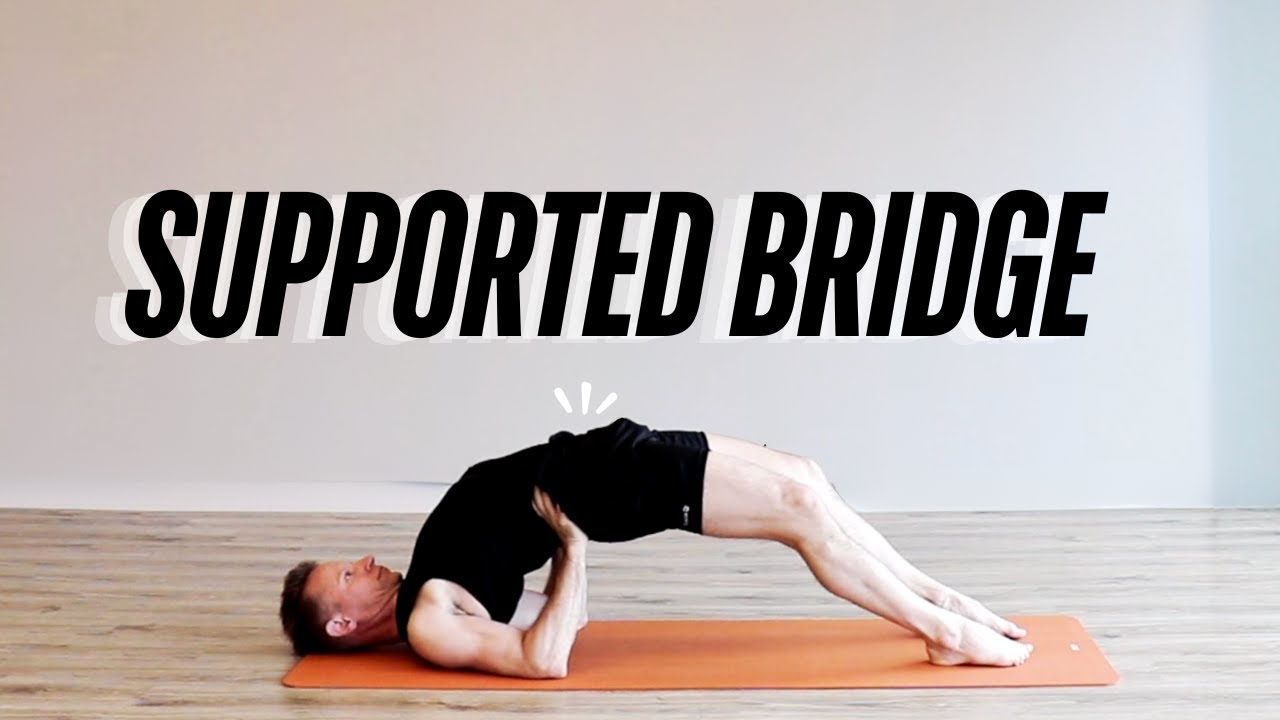
1. Supported Bridge
What? “Start on your back with your knees bent,” says Drai. “Gently raise your hips and place a block or bolster beneath your pelvis.”
Why? “The pose is excellent for stretching the hip flexors, which are shortened by our sitting position in a chair all day,” explains Drai, who adds that it also stretches the lumbar spine and neck.
How long? 2-5 minutes.
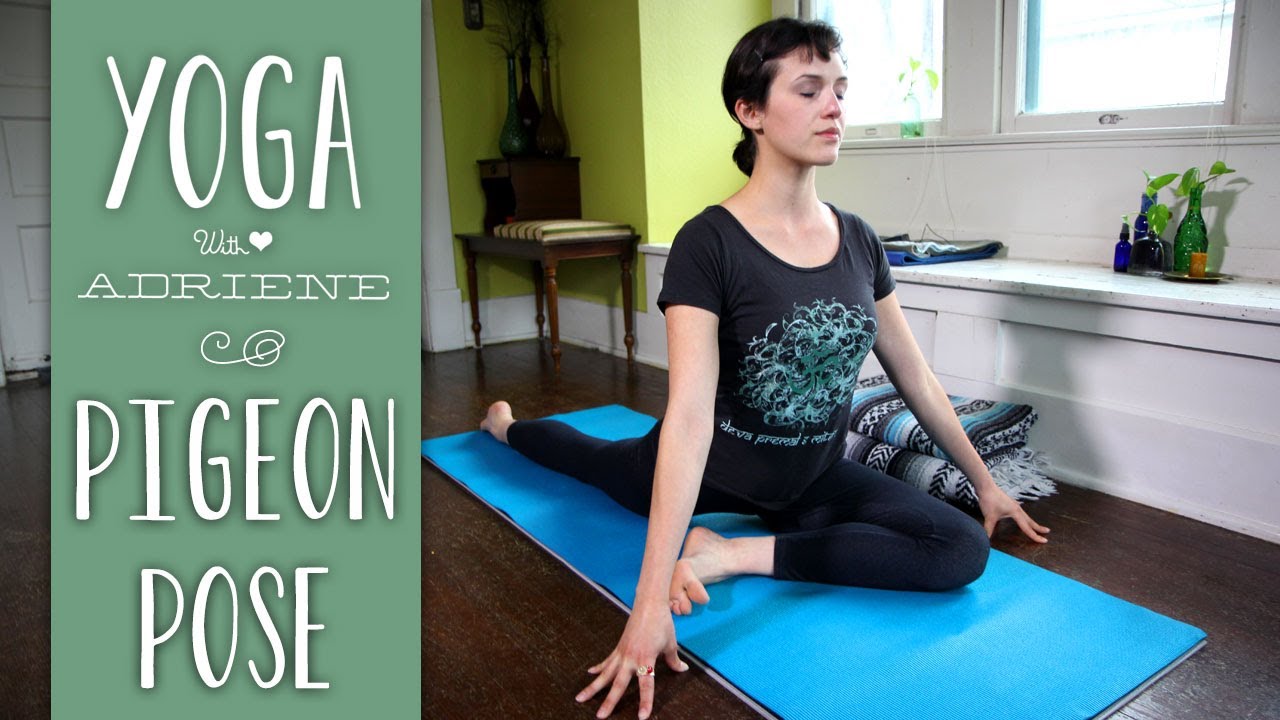
2. Pigeon Stretch
What? “Start kneeling or in downward dog, bringing one knee forward to the opposite wrist,” says Haynes. “Extend the other leg behind you and try to keep your hips centre.”
Why? Great for releasing tension in the lower back, hips and glutes, the pose also increases mobility and flexibility in the hip joint.
How long? 30-60 seconds.
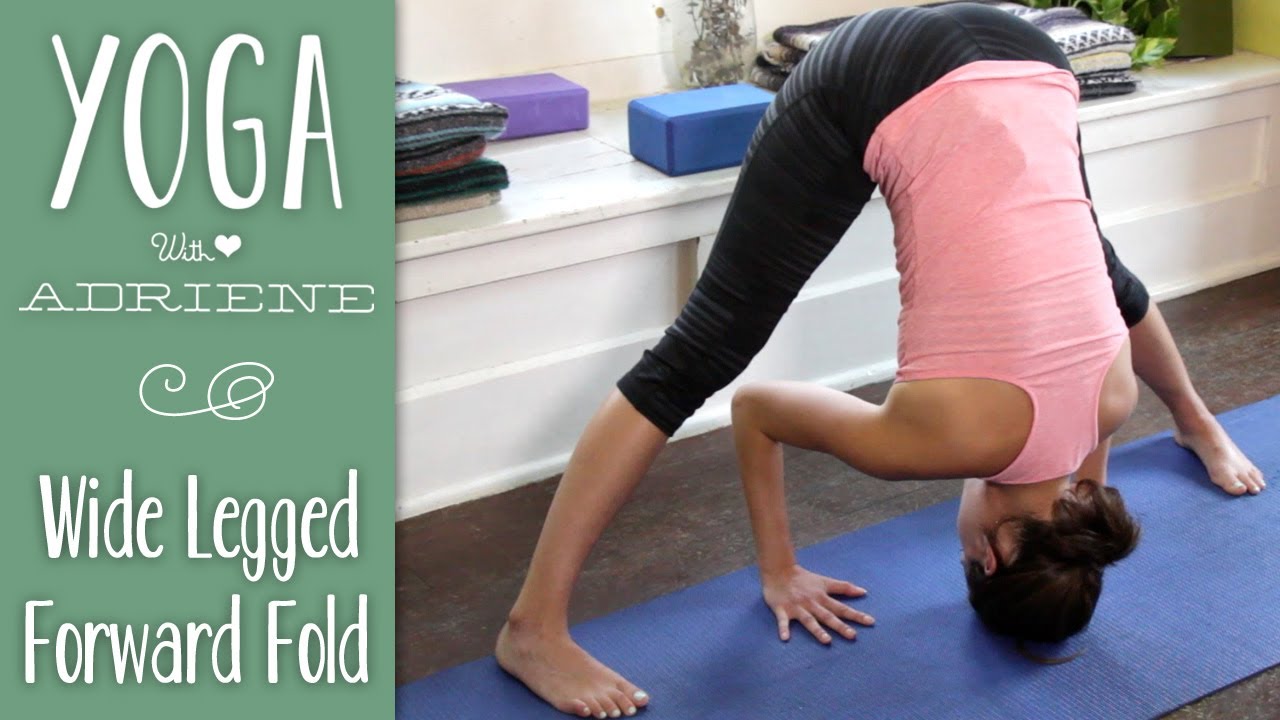
3. Wide Leg Forward Fold
What? “Sit with legs wide, feet gently flexed, and fold forward with a long spine, hands resting on the floor, a block or a bolster,” says Rumble. Her top tip? “Keep the fold gentle enough that your jaw and shoulders can stay soft.”
Why? “Ideal if you sit a lot, this stretch opens the whole inner line of the legs, including the inner thighs (adductors), hamstrings and possibly the lower back,” she explains.
How long? 60–90 seconds, and up to 2 minutes in a more yin-style hold.
4. Melting Heart Pose
What? “Start on your hands and knees in a tabletop position,” says Drai. “Keep your hips stacked directly over your knees as you walk your hands forward, allowing your chest to melt toward the floor. Your forehead can rest on the ground. Let your heart sink heavy toward the earth.”
Why? “Providing a deep stretch for the shoulders, chest, and thoracic spine, this pose also relieves the mid-back area that often becomes stiff and immobile from poor posture,” says Drai. “It opens the front body while gently compressing the lower back, creating space in the upper spine.”
How long? 1-2 minutes for beginners. 3-5 minutes if you’re experienced.
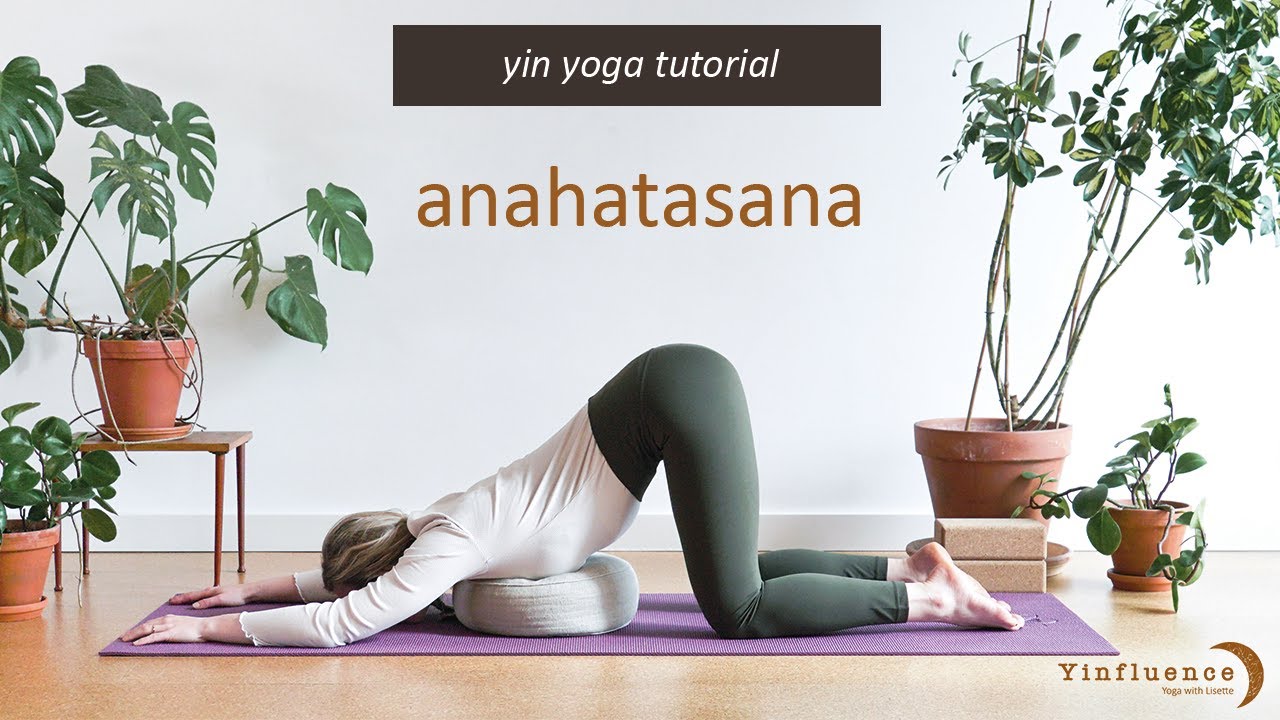
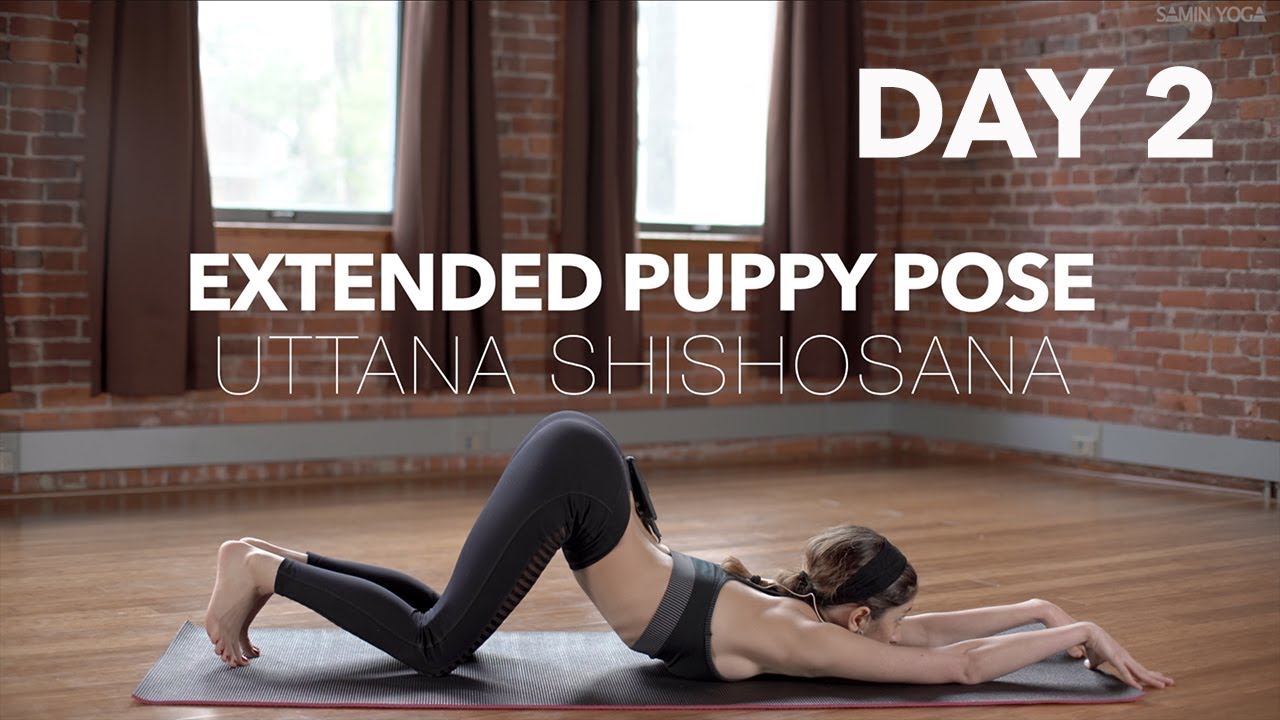
5. Puppy Pose
What? “Come to an extended child's pose, kneeling on the ground, sitting your hips back over your heels and stretching your arms forward,” says Haynes. “From there, walk your hands forward and lift your hips up so they're aligned over your knees. Allow your chest to melt down like a puppy bowing to play, and extend your arms forward until you feel a stretch in the shoulder and chest area.”
Why? One of Haynes’ most requested poses by her students, this offers a “great stretch for the chest and shoulders,” she says.
How long? 30-60 seconds.
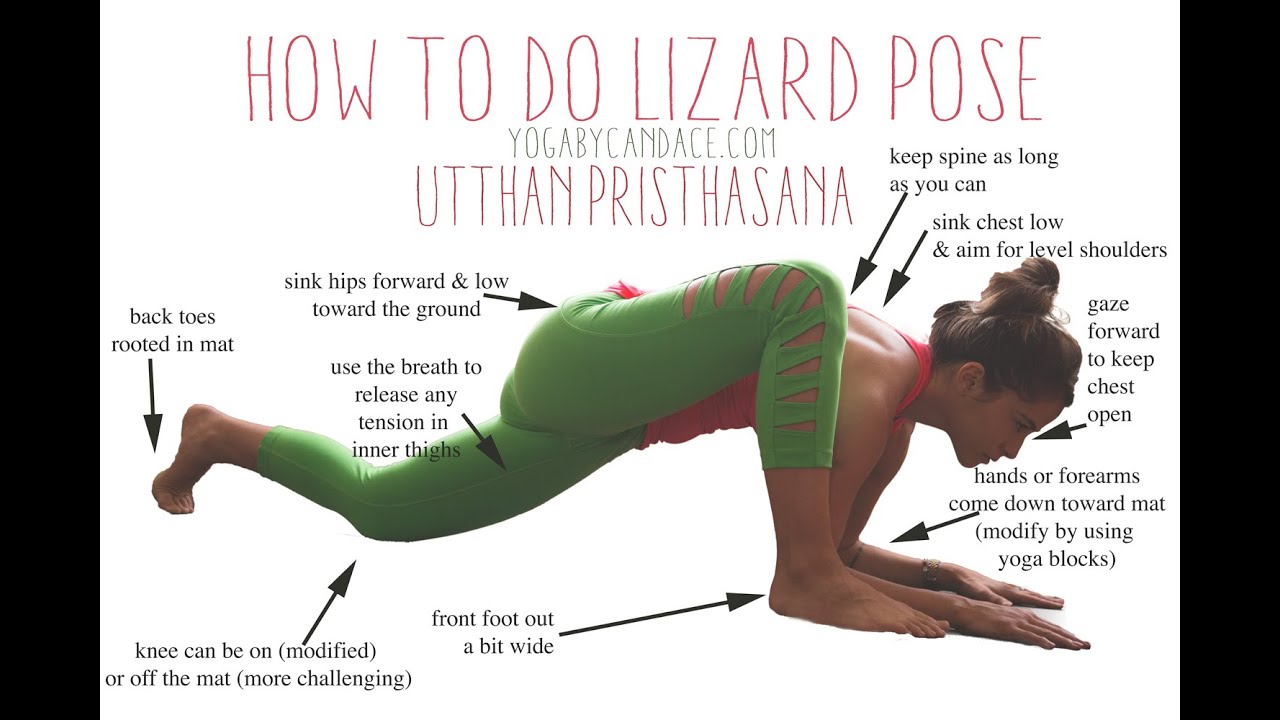
6. Lizard Lunge
What? A progression from low lunge, this is where “both of your hands come inside the front foot,” explains Rumble. “You can lower the back knee and, if appropriate, come onto your forearms or blocks.”
Why? It’s an intense stretch for the front hip and groin, especially the psoas and hip flexors. “These are classic bracing areas when we’re in fight-or-flight mode. Staying and breathing here can help us unlearn that constant anxiety and urgency, challenging us to be with the sensation rather than distracting from it,” says Rumble
How long? 45–90 seconds each side. “If it’s very intense, start with 5–8 breaths and build up slowly,” says Rumble.
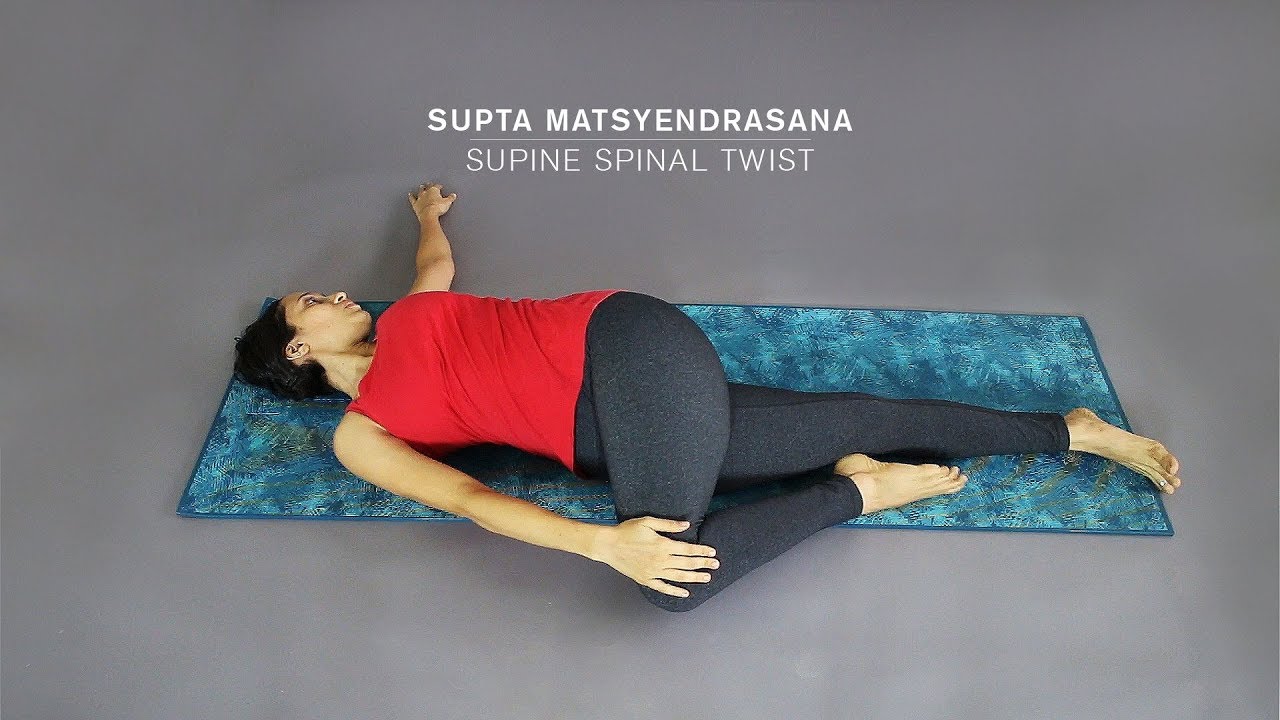
7. Reclined Spinal Twist
What? “Start lying on your back with your knees bent and feet flat on the floor,” says Drai. “Draw both knees toward your chest, then let them fall to one side. Turn your head to look away from your knees, or keep it neutral if that feels better for your neck.”
Why? “ This pose stretches the outer hips, lower back, and the muscles between the ribs while gently releasing tension along the entire spine,” explains Drai, adding that “twists are thought to aid digestion and create space between the vertebrae.”
How long? Short hold: 30 seconds. Long hold: 3-5 minutes.
8. Downward Dog
What? “Start in a table top position on your hands and knees,” says Haynes. “Walk your hands approximately a hand width distance forward of your shoulders and lift your hips and knees up off the floor, aiming for your hips to draw up and back towards the wall behind you, melting your heels to the ground.
“Don’t worry if your heels don’t touch the floor to begin with,” she adds. “Aim for the line from your wrists to your hips to be as straight as possible, and if that means bending your knees to start, then bend your knees.”
Why? “This is a pose I take almost every day,” says Haynes. “It’s great for opening up tight calves, hamstrings and back, whilst also stretching the shoulders and lats.”
How long? 15-30 seconds.
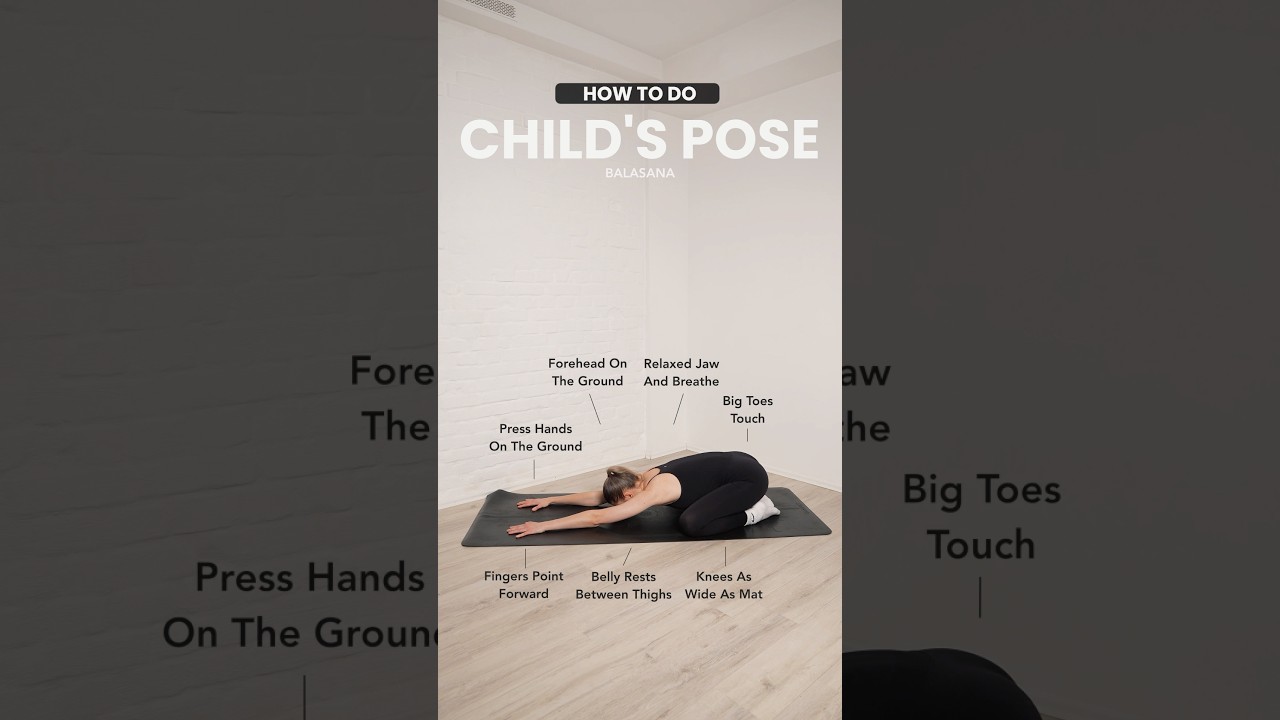
9. Child's Pose
What? For this pose, you need your “knees wide, big toes together, and your hips sunk back towards your heels,” says Rumble. “Place your forehead on the mat with your arms forward or alongside the body.”
Why? “Incredibly calming for the nervous system, it also gently stretches the hips, lower back and ankles,” Rumble explains.
How long? 1-3 minutes, or longer if it feels good. “Focus on lengthening your exhale as this allows you to drop into your parasympathetic nervous system,” says Rumble.
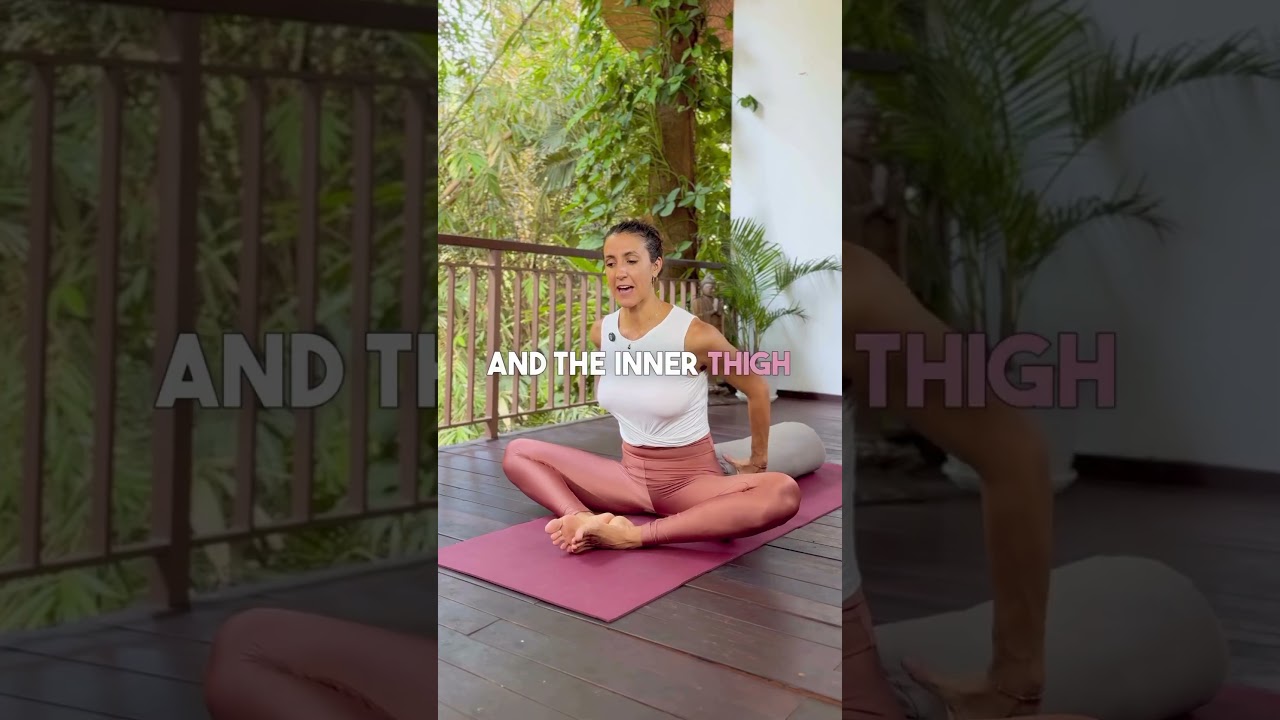
10. Reclined Butterfly
What? “Start seated on your mat, bringing the soles of your feet together and allowing your knees to fall open to the sides, creating a diamond shape with your legs,” explains Drai, who adds that “you can place blocks or folded blankets under each knee for support if your hips are tight.”
Why? “This is a deeply restorative hip opener that also gently opens the chest and heart space, making it ideal for releasing tension accumulated from sitting and stress,” says Drai.
How long? Up to 10 minutes in restorative practices.
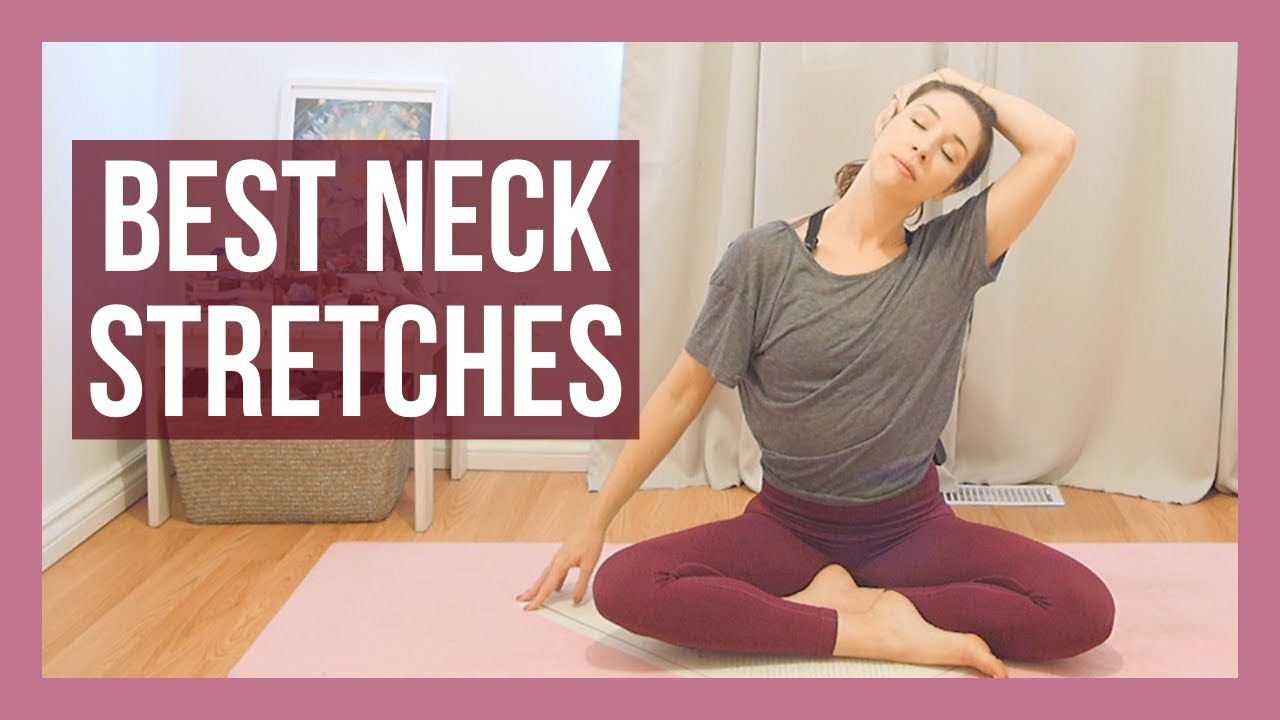
11. Seated Neck Release
What? “Find a comfortable seated position, and allow your head to drop to the left side, with your left ear melting towards your left shoulder,” says Haynes. She says this can often be enough, but for more of a stretch, “reach your opposite hand over your head and encourage the stretch to deepen.”
Why? “This simple stretch is great for relieving tension in your neck and shoulders, and letting any stress from the day melt away,” says Haynes.
How long? 30 seconds.
Shop MC UK Approved Yoga Kit Now:

If you're looking for a high-quality, stylish yoga mat which won't break the bank, then allow me to introduce you to the Liforme mats. It's portable, supportive, and gets grippier with sweat, making it perfect for hot practices.

Don’t fall into the trap of thinking that using a yoga block is cheating. Allowing you to find deeper stretches and more comfortable movements, it’s the perfect prop for stiffer morning practices where you need a little support.

A strap is another useful prop to keep at home if you're looking to deepen your stretches. Allowing you to challenge yourself safely, without putting tension on the neck, it's a handy (and very portable) tool to have in your kit bag.
Can you overstretch?
Absolutely, and more isn’t always better. “It’s not a problem to stretch every day,” says Yoga instructor and breathwork coach, Jenny Haynes. “But problems can arise when we push too hard or for too long.”
Your stretch can be challenging, but it should never feel like you’re forcing your body to its limits. “We’re always looking for an element of ease,” she says. “If in doubt, tune into your breath. If it’s harsh or jagged, you’re probably pushing too hard.”
“Flexibility is a nice byproduct of yoga,” adds yoga instructor Sophie Rumble. “But yoga isn’t only for the super bendy, despite what you might see on Instagram.” Her parting thought? “You don’t need to be flexible to start; you come to the mat exactly as you are. Over time, your body will usually open and soften, but the real shifts are in how you breathe, how you relate to yourself and how you move through your life off the mat.”
