I'm A Longevity Doctor: 6 Strength Training Moves To Prioritise For Healthy Ageing In Your 30s, 40s, 50s And Beyond
Train yourself for old age.


For a long time, we equated longevity with lifespan - a simple metric of how many years we spend on this earth. But over the past few decades, the conversation has moved on from how long we're living to how well we are living in our years - whatever they may add up to.
While none of us knows for sure how long we'll live, we do know that there are a number of ways we can increase our chances of surviving to a ripe old age, and with our faculties (relatively) intact. And one thing that stacks the healthy ageing odds in our favour? Strength training.
"Strength training is one of the most powerful tools we have for promoting healthy ageing and increasing our chances of living not just longer, but better," shares longevity expert, GP and founder of HUM2N, Dr Mohammed Enayat. "The benefits of strength training extend throughout almost every system in the body."
And the science agrees: this 2026 study, published in the British Journal of Sports Medicine, shows that resistance training is associated with a 13% lower risk of all-cause mortality, while further research (check out this paper, from the Journal of the American Medical Association) reveals that in women, muscle strength is linked with increased longevity, even where overall activity guidelines aren't met.
But when it comes to longevity, not all moves are created equal - so, we asked top coaches to share their favourite strength moves that we should all be prioritising for healthier ageing. Keep scrolling to find out everything you need to know, but while you're here, do also check out our guides to the best longevity workouts, the healthy ageing habits of longevity doctors and the everyday habits that matter more than biohacking, here.
6 Moves Longevity Experts Recommend for Healthy Ageing
What are strength training moves for healthy ageing?
So, what exactly do we mean when we talk about strength training for healthy ageing? Essentially, we're referring to functional strength exercises that mimic the way we move in everyday life.
"When we talk about strength training for longevity, we mean simple movement patterns that mirror everyday life," explains personal trainer Edwina Jenner. "This might be squatting down to pick something up, pushing a heavy door open, getting your suitcase in and out of the car, climbing the stairs or getting yourself off the floor.
"The best exercises are the ones we can repeat that strengthen these natural movement patterns because they’re the ones we rely on every day. A well-balanced strength training routine teaches the whole body to work together, building strength that’s useful well beyond the gym."
What are the benefits of strength training moves for healthy ageing?
As mentioned above, strength training is one of the most important things we can do as we age to maximise our chances of living better, for longer.
1. Physical benefits
When it comes to our physical health, the benefits of strength training encompass pretty much the whole body.
"Physically, resistance work helps maintain muscle mass, improves bone density and strengthens the joints, reducing the likelihood of fractures and injuries as we age," shares Dr Enayat. "It also improves posture, balance and coordination, all of which play an important role in preventing falls."
2. Metabolic benefits
Our metabolic health plays a pivotal role in how well we age, driving our risk of age-related diseases (such as type 2 diabetes, cancer, heart disease and more) and affecting blood pressure, cholesterol levels and blood sugar regulation.
The good news? Regular strength training is a powerful tool for improving metabolic health and function.
"Metabolically, having more muscle improves insulin sensitivity, helping the body regulate blood sugar more effectively and lowering the risk of developing type 2 diabetes," states Dr Enayat. "Strength training can also contribute to healthier blood pressure and cholesterol levels, supporting long-term heart health."
3. Psychological benefits
The longevity and wellbeing benefits of strength training aren't limited to the purely physical, either: our minds will reap the rewards of regular resistance work, too.
"The benefits aren't only physical," agrees Dr Enayat. "Many people experience improved energy, better sleep, greater confidence and a noticeable boost in mental wellbeing. Feeling physically stronger often encourages people to remain more active overall, creating a positive cycle that supports healthy ageing for years to come."
4. Societal benefits
Now, this may not be the first consideration that springs to mind when thinking about the benefits of strength training for healthy ageing, but hear us out.
"Strength training is one of the most valuable things we can do as we age because it protects our independence and autonomy," notes Jenner. "What is the point of living a long life if we are constantly marred by injury and illness? Regular strength training helps slow the mental and physical decline associated with ageing by improving insulin sensitivity, keeping our metabolism firing, and supporting healthy bones, crucially reducing the risk of falls. It is our life insurance for ageing well."
And if we are ageing well, we're also likely to be reducing our dependence on external support systems, too - call it a public service, if you will!
Who are strength training moves for healthy ageing best for?
While it's safe to say that almost all of us can benefit from a well-balanced strength training routine, it becomes increasingly important as we age, particularly for women.
"Strength training is beneficial for almost everyone, regardless of age or fitness level," notes Dr Enayat. "While many people associate resistance training with younger adults or athletes, some of the greatest health benefits are actually seen in middle-aged and older adults.
"From the age of 40 onwards, muscle loss tends to become more noticeable, while bone density also starts to decline. Incorporating regular strength training during this stage of life can help slow these changes considerably. It's equally valuable for women approaching or after menopause, when falling oestrogen levels increase the risk of osteoporosis, and for older adults looking to maintain their mobility and independence.
"Even individuals living with conditions such as osteoarthritis, type 2 diabetes or high blood pressure can often benefit from appropriately tailored resistance training programmes. The key is choosing exercises that suit your current fitness level and progressing gradually over time."
Consider this fair warning.
6 best strength training moves, according to longevity experts
1. Squats
What? A traditional basic strength training move, the humble squat involves mimicking a sitting position before standing upright.
Why? "Squats are one of the best longevity exercises because they mimic one of the most important movements we perform every day - sitting down and standing back up," shares Dr Enayat. "They strengthen the glutes, quadriceps, hamstrings and core while improving balance, coordination and lower-body mobility. Being able to confidently perform this movement is closely linked to maintaining independence in later life."
How long for? Either weighted or bodyweight, try three sets of 10 to 12 reps to begin with.
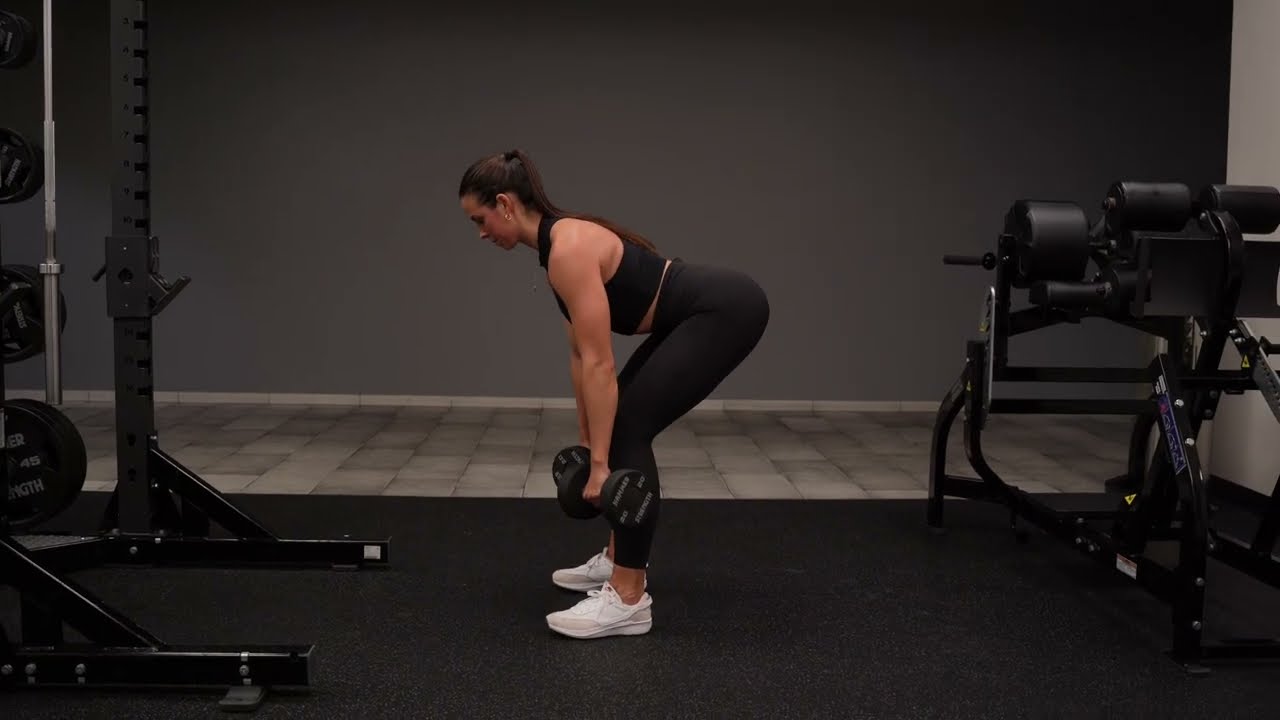
2. Romanian deadlifts (RDL)
What? Holding a weight in each hand, gradually bend over, skimming your legs with the weights, till you feel a pull in your hamstrings. Then, slowly and with control, restack your spine.
Why? "RDLs target your glutes and the backs of your legs (hamstrings) while also strengthening your posterior chain," shares Jenner. "This helps protect your lower back and supports lifting in everyday life. You're hitting the biggest muscles in the lower body with this move."
How long for? Depending on your weight, aim for at least three sets of 10 reps. Top tip: only extend until you feel the work in your hamstrings. Then, pause before slowly standing up.
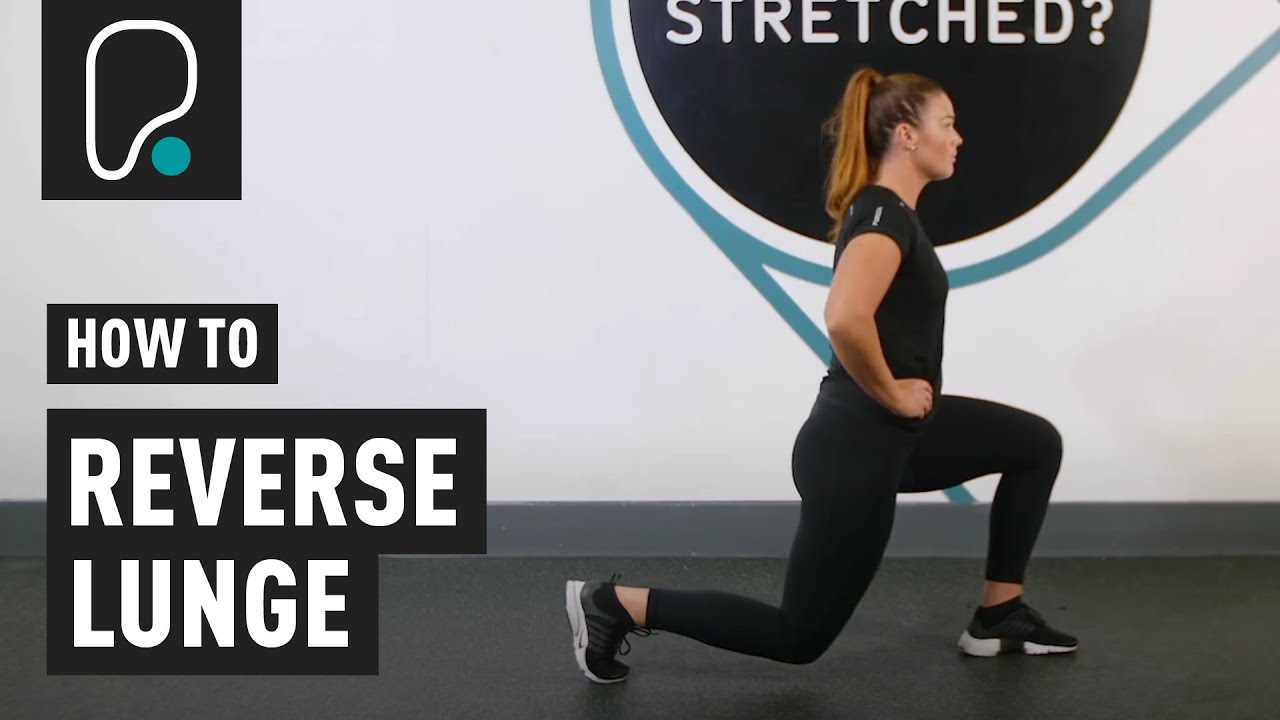
2. Lunges
What? With legs in a split position, lower down till both knees are at around a 90-degree angle.
Why? "As we age, it’s important to develop single-leg strength for coordination, balance and stability," explains Jenner. "Training one leg at a time corrects imbalances and helps reduce the risk of falls. Everyday life rarely happens with two feet planted on the ground. We climb stairs, get on and off transport, and walk on uneven ground, so incorporating unilateral work into your workouts helps support how you move well in everyday life."
How long for? Build up from around five lunges per leg to 10 to 15. Too easy? Up your weights - but don't compromise your form.
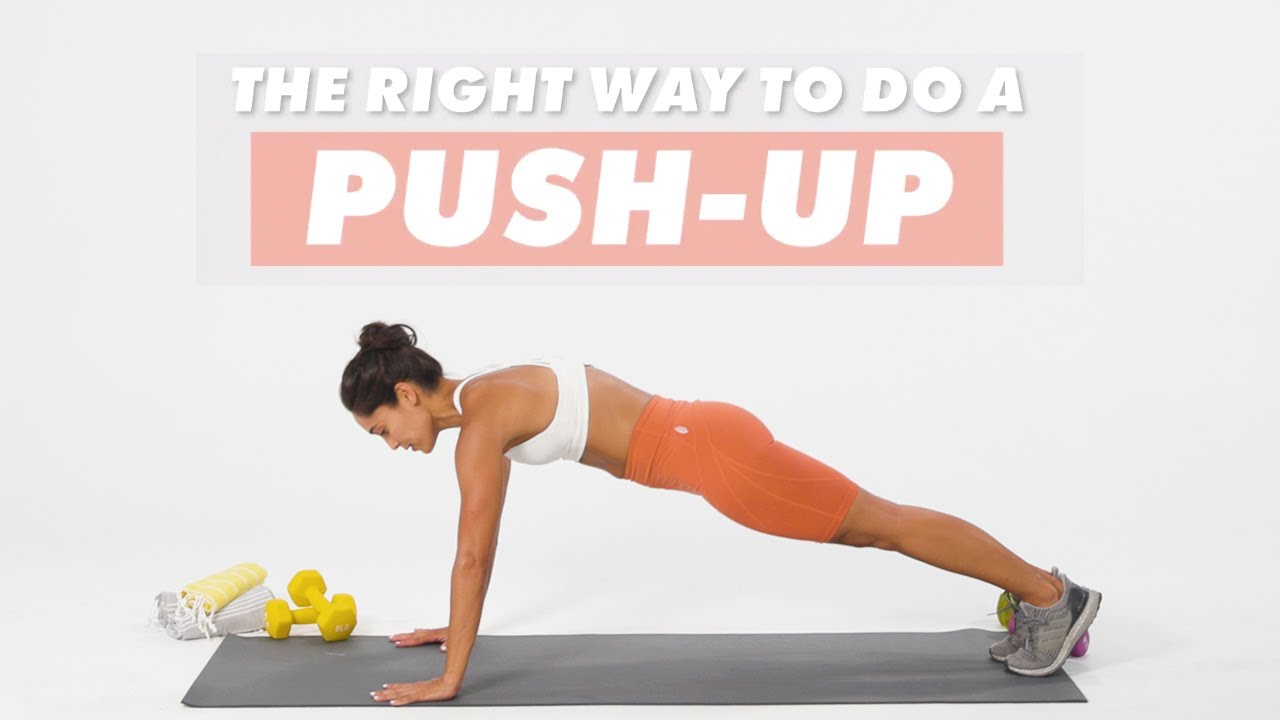
4. Push ups
What? A classic strength move, you're likely familiar with the push-up. If you're new to the exercise, level down to your knees - there's no shame!
Why? "Push-ups develop strength throughout the chest, shoulders, arms and core while also improving upper-body endurance," Dr Enayat tells MC UK. "This translates into everyday tasks such as pushing open heavy doors, lifting shopping bags or getting yourself up from the floor. For those who find traditional push-ups challenging, performing them against a wall or bench provides the same movement pattern while allowing strength to develop safely."
How long for? If you can go for a set of 10, we're impressed.
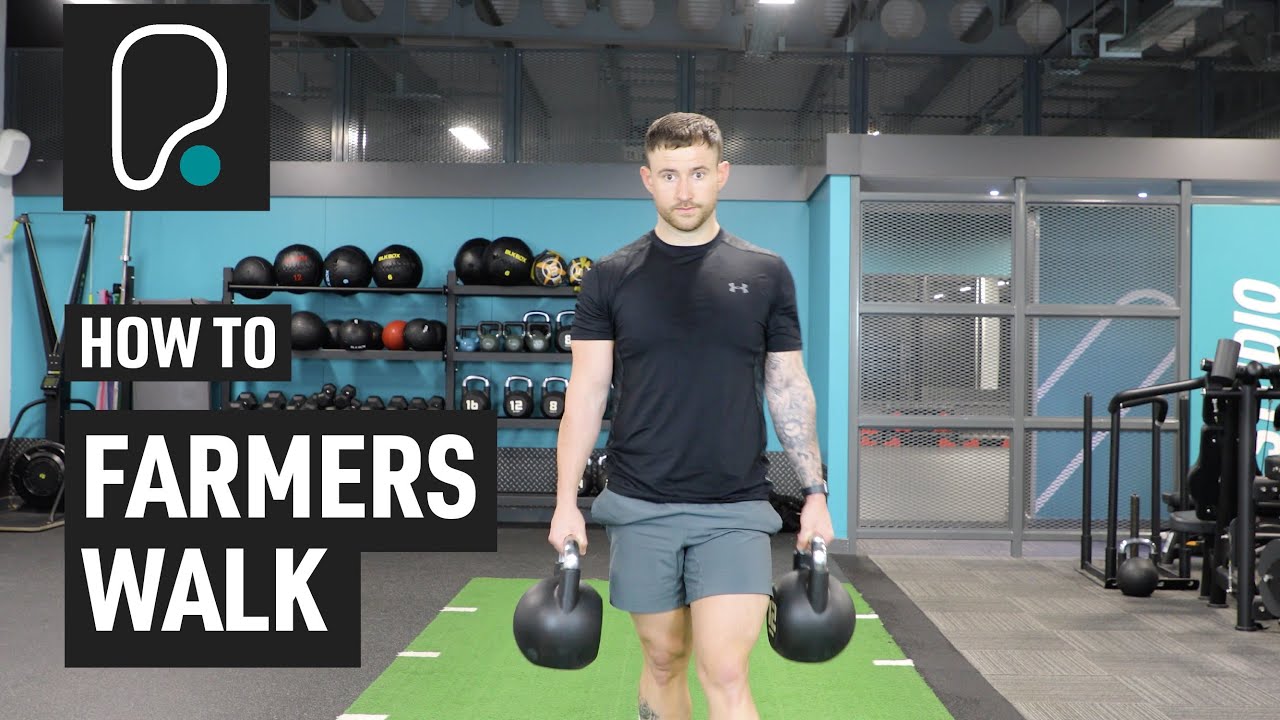
5. Farmer's carry
What? As easy as it is effective, the farmer's carry is simply walking in a straight line while carrying weights.
Why? "The farmer's carry is often overlooked, yet it's one of the most effective full-body exercises for longevity," Dr Enayat notes. "Simply walking while carrying weights challenges grip strength, shoulder stability, core control and lower-body endurance simultaneously. Grip strength has become an increasingly recognised marker of healthy ageing, with studies linking stronger grip to better mobility, lower frailty and improved overall health outcomes in later life."
How long for? Continue either for a set distance or time - the choice is yours.
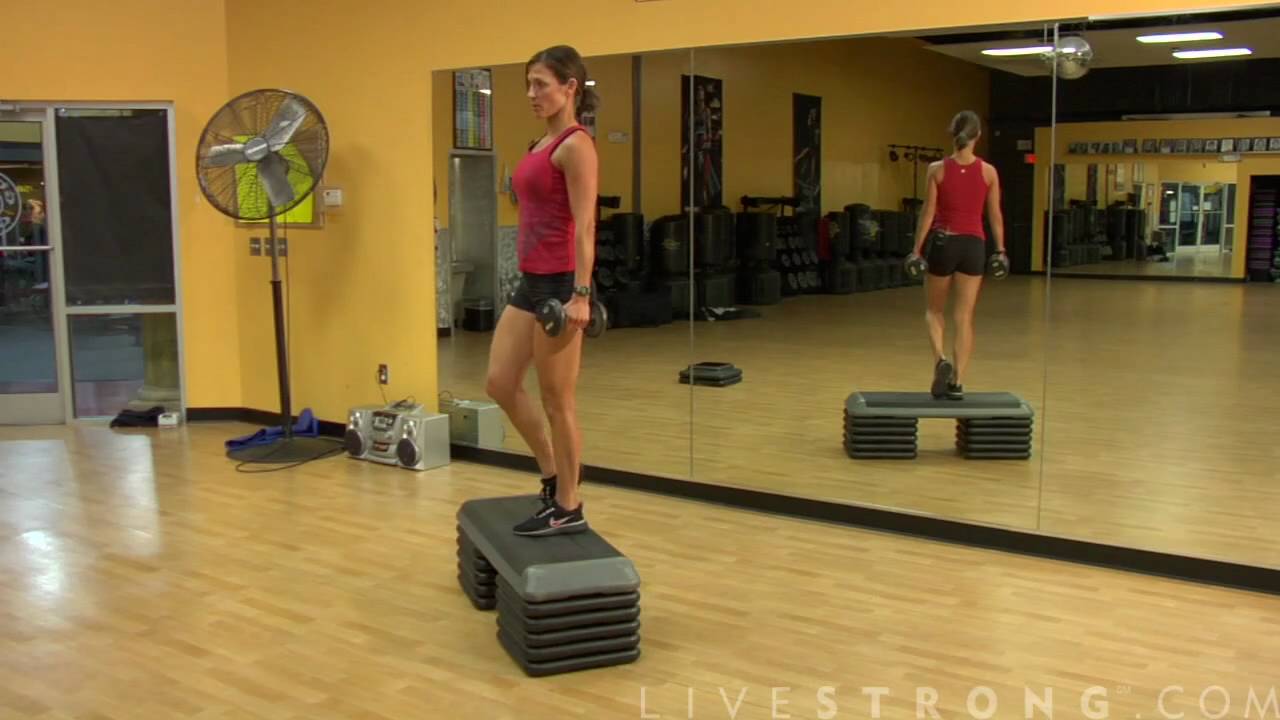
6. Step ups
What? Another super simple move, the step up involves holding a weight in each hand and slowly stepping up onto a raised platform before stepping down again.
Why? "Step-ups closely replicate climbing stairs, making them one of the most practical exercises for everyday function," shares Dr Enayat. "They build strength in the legs while improving balance, coordination and stability on one leg. Single-leg strength becomes increasingly important with age, as it helps reduce the risk of trips and falls while making daily activities feel easier and more confident."
How long for? Go for three sets of 20 reps.
Shop MC UK's go-to strength training essentials now:

Not ready for dumbbells? Try a set of resistance bands while you build strength and technique. Perfect for travel, you'll be surprised how much tougher these little elasticated bands will make your moves feel.

If you're not a fan of restrictive workout bras, you're in luck: strength training is low impact, meaning you can forego the compression and wear what feels good. We love Girlfriend Collective for their butter-soft, comfortable kit that looks as incredible as it feels.

If you love a good home workout, it's well worth investing in a set of adjustable dumbbells. This set will take you from 2kg to 20kg in no time - perfect for hitting those progressive overload goals.
What else should we be doing to support healthy ageing?
Naturally, strength training isn't the whole picture when it comes to healthier ageing. So, what else should we be focusing on?
"It's also important to remember that muscles need the right conditions to adapt," notes Dr Enayat. "Eating enough protein, getting quality sleep and allowing adequate recovery between sessions are just as important as the workouts themselves. Finally, strength training should form part of a well-rounded lifestyle alongside regular walking or cardiovascular exercise, flexibility work and a balanced diet. Healthy ageing isn't about chasing perfection - it's about building a body that's strong, resilient and capable of supporting you for decades to come."
