Olivia Rodrigo, Riot Grrrls, and the Return of the “Sexy Baby” Panic
The singer’s response to accusations of “Lolita” aesthetics raises a bigger question: have we forgotten what unsexualised girlhood looks like?


When Olivia Rodrigo wore a — shock horror! — babydoll dress on stage earlier this month, the backlash was swift and severe. The 23-year-old singer was accused of everything from adopting a “Lolita” persona to leaning into “pedo-core.”
Collectively, we could’ve recognised the well-worn style as a reference to alternative girlhood aesthetics — as was Rodrigo’s now-confirmed intention — but no. Instead, the babydoll dress debacle became supposed evidence that she was deliberately attempting to infantilise herself for male consumption.
This week, she finally responded. Appearing on The New York Times’ Popcast podcast, she admitted the controversy had left her “so upset.” And why wouldn’t it have? If being branded as promoting pedophilia, as one viral tweet claimed, isn’t cause for distress, I don’t know what is.
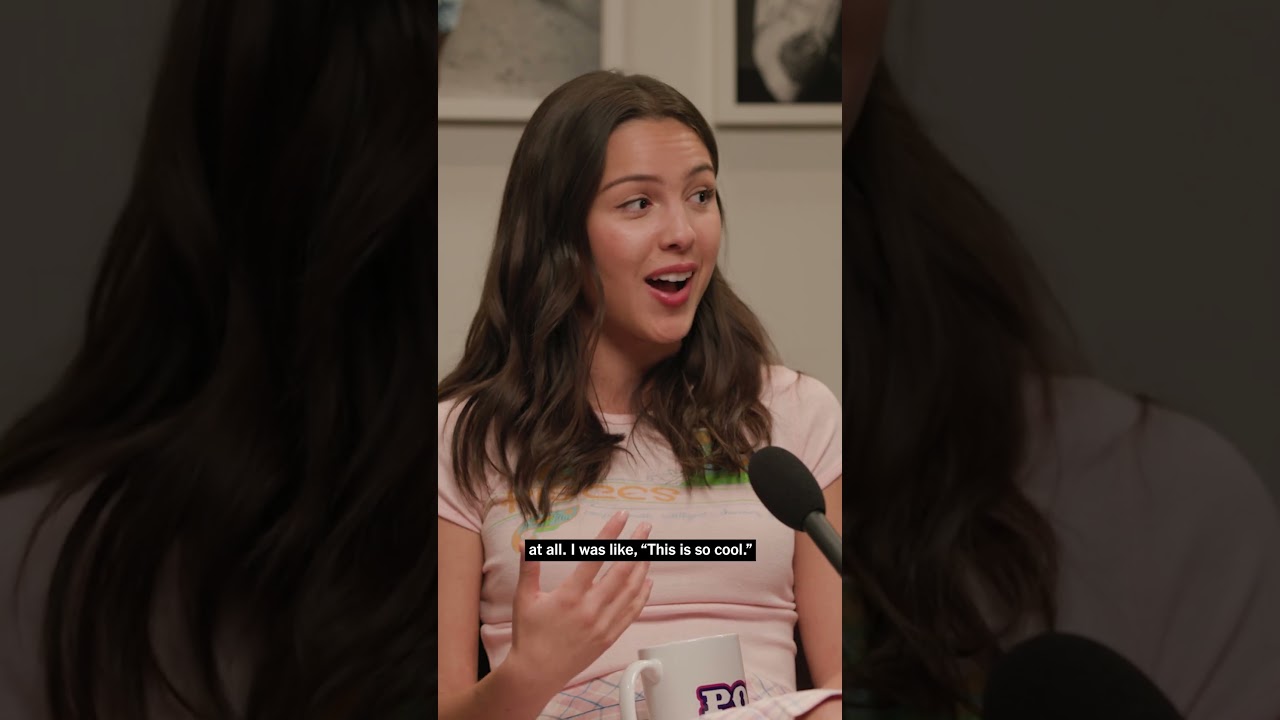
“What’s really disturbing is I feel like I have worn outfits that are maybe revealing on stage,” Rodrigo told The New York Times. “I’ve been on stage in a sparkly bra and little shorts, which is my right... And that wasn’t ‘inappropriate,’ but me fully covered up in a dress that people deemed to be childlike was inappropriate.”
Her observation, which she ought to get more credit for, cuts to the heart of a contradiction women have spent decades navigating. A woman can expose her body without criticism, provided that exposure fits within accepted conventions of adult sexuality. But heaven forbid, a woman invokes girlhood in ways that are not explicitly sexual.
The reaction to Rodrigo’s dress reveals less about the outfit itself than it does about the lens through which we have been taught to view girlhood. We live in a society that simultaneously infantilises and eroticises girls. “It’s just this rhetoric we’re fed as girls since we’re so little, which is: ‘Don’t wear that because then a man is going to sexualize your body and it’s your fault,’” says Rodrigo, and she’s right: “It just shows how we really normalise pedophilia in our culture.”

Olivia Rodrigo performs on stage wearing a much-debated babydoll dress
We’ve become so conditioned to seeing girlhood as sexualised that we can no longer recognise when women are reclaiming its aesthetics on their own terms. The irony of the Rodrigo controversy is that she wasn’t drawing from a tradition of sexualised girlhood at all. Responding to the criticism, Rodrigo explained that she had been thinking about Kathleen Hanna and Courtney Love, women who famously used the aesthetics of girlhood not to invite male desire but to challenge it.
The riot grrrl movement emerged in the early Nineties as a feminist rebellion against the sexism of punk culture and mainstream media alike. Its adherents wore babydoll dresses, hair clips, knee socks, and childish accessories not to appear sexually available, but to disrupt assumptions about what power looked like.

Courtney Love in 1994 wearing the girlish signifiers that would become hallmarks of the Riot Grrrl movement.
In Smells Like Teen Spirit: Riot Grrrls, Revolution and Women in Independent Rock, Gayle Wald describes this phenomenon: “I think reclaiming stuff that looked girly is troubling to the culture at large. When you have women dressed as girls but exhibiting grown-up sexuality, it brought attention to the culture’s sexualization of young girls in a way that you couldn’t deny.”
Do we really think that when Courtney Love pulled on a babydoll dress and belted out Doll Parts she was trying to convey innocence? It’s all there in the lyrics: “I am doll eyes. Doll mouth, doll legs. I am doll arms. Big veins, dog bait. Yeah, they really want you.”
Similarly, Kathleen Hanna’s pigtails were never meant to appeal to men. Both women and the wider riot grrrl orbit knew that femininity itself had become a battleground. By embracing aesthetics associated with girlhood while rejecting the expectation that women exist for male pleasure, they exposed the absurdity of those cultural assumptions. As Marisa Meltzer explained in her book Girl Power: The Nineties Revolution in Music, “With riot grrrl, you could enjoy the playful aspects of being a girl and want to fight the power at the same time.”

American musician Kathleen Hanna of the feminist punk band Bikini Kill in 2001
That is Rodrigo’s reference point: punk feminism, not porn. “I was like, 'This is so cool. I feel like I look like Kathleen Hanna or Courtney Love,' all these people who are my heroes,” said Rodrigo of her riot grrrl-inspired outfit. Yet the reaction suggests that many of us have lost the ability to distinguish between the sexualisation of girlhood and girlhood itself.
If every reference to youth is automatically interpreted as sexual, we run the risk of accepting that girlhood exists primarily as an object of adult sexual interpretation. If the only way a woman can avoid accusations of inviting inappropriate attention is by dressing according to what the most predatory observer might think, then the result is that women and girls are once again being told what they can and cannot wear based on how men might perceive them.
Ironically, that is the very rhetoric Rodrigo was pushing back against. “You shouldn’t be responsible for some guy sexualizing you in a way that was never your intention,” she concluded.
The answer to the fetishisation of girlhood isn’t to erase girlhood from culture altogether; it’s to stop viewing it through the lens of male desire. Maybe the most revealing thing about Olivia Rodrigo’s babydoll dress is that so many people looked at it and immediately saw pornography instead of punk.
