Christmas Is The Perfect Time To Embrace "Betterment" - How To Make Your Festivities Sustainable, According to an Eco Pro
Our resident sustainability columnist, Lucy Siegle, is back - and in the festive spirit.


Have yourself a merry, green Christmas. Turn up the smug and lean into green wins!
The typical Christmas advice that we sustainability gurus dispense is basically a thumping list of what not to do. Then we follow this up with a morality game of which is worse – a real tree or a fake (on balance, fake), a glazed ham or a turnip (ham, obviously), or fairy lights or candles (candles might burn your house down).
Then come the buzz-kill stats: an imported turkey could have a 7kg CO2 footprint (about five times a nutroast) and the bath set you bought your Aunty Dawn is entombed in three years of non-recyclable plastic. Ho ho no!
So this year, to save you from tears, I’m calling time on festive finger-wagging. Instead, I invite you to lean into the wins. Because yes, we are in an emergency, but your job at Christmas? Signal to family and friends that being sustainable wins. Let’s sell our green culture.
Your job this Christmas? To signal to family and friends that being sustainable wins
Like any Christmas Project, you need to start with the soundtrack. Step away from Mariah and mute Noddy Holder’s It’s Christmaaaaaas.
This year, all auditory honours go to clothing recycling and textile charity TRAID for their fast-fashion-busting version of Wham’s Last Christmas, Fast Christmas. Chef’s kiss for the lyrics: "Last Christmas, I bought you some tat, but the very next day, I threw it away…"
Full video below for you, too - and spoiler alert, it's well worth a watch. Whereas Wham decanted to Switzerland to film the original, the Traid staff look to be in their Wembley sorting depot. Shimmering gold puffas, Ribena-purple knits and day-glo pre-loved jumpers serve to remind us that second-hand is a treasure trove.
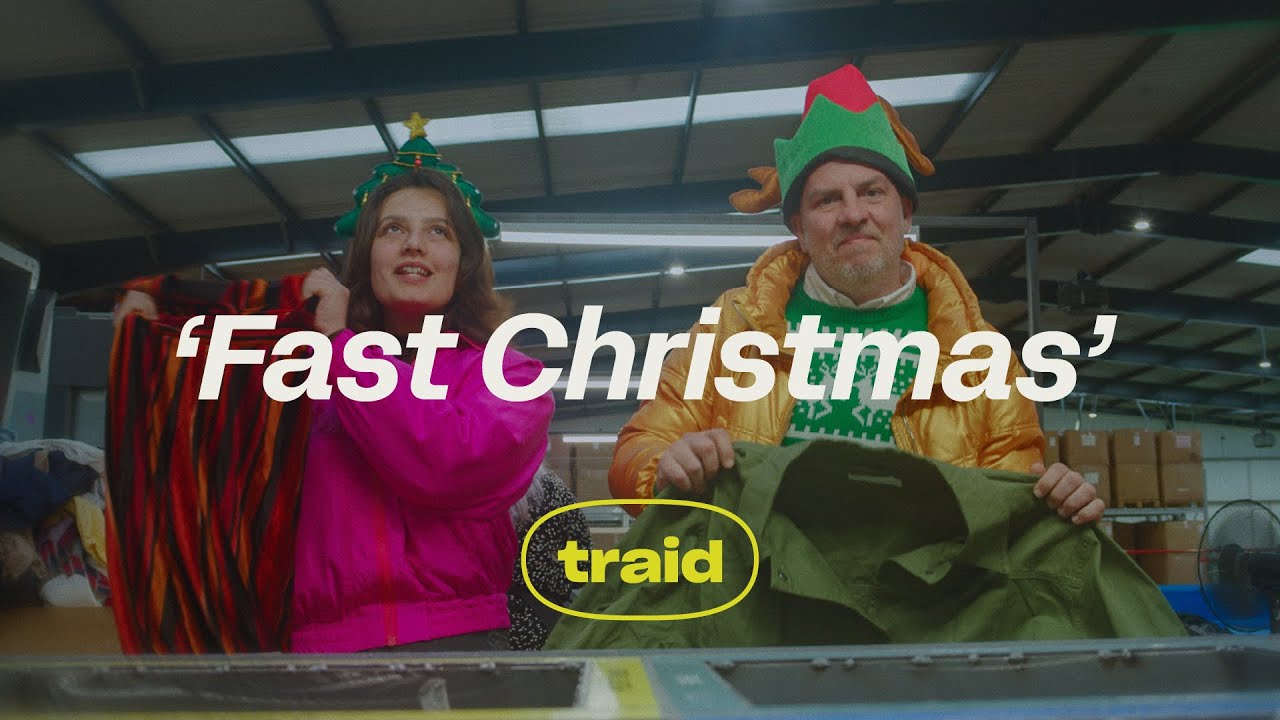
Wondering how to signal your wins? I'd advise shouting about your personal sustainability victories all through the Eastenders special if necessary. Christmas is not the time for modesty.
On a serious note, my plan is to share other people’s victories. For example, a longtime reader messaged me earlier in the year to tell me that they'd installed solar panels fifteen years ago after reading a Guardian column of mine. "Then I got a heat pump," they went on. "My energy bill is now zero, and this year I’m making cash selling electricity back to the grid." I nearly wept! Oh how I wish I’d taken my own advice. I hope he’s spending that surplus on premium English sparkling wine. Let’s raise a glass to smart change.
I’m also taking my Santa hat off to the friend who has fitted a pannier to her bike, and did all her Christmas shopping, breezing past the multistorey carpark queues and was home before the kettle boiled.
Traditional Christmas is a masterclass in sustainability
Here’s the other thing no one says loudly enough: done traditionally (I mean, really old school), Christmas is a masterclass in sustainability.
As we know, the festive trimmings – trees, wreaths, feasting and gift giving - share roots with pagan winter solstice celebrations such as Yule and Saturnalia. These are all rooted in seasonality and local availability. Frankly, that’s the sustainability gold. If you’ve forgotten anything or suspect your recipient doesn’t love the hand-felted cushion cover crafted from local wool that you gave them, just simply say "we’re doing Yule for the Planet" and let them process.
This Christmas, do joy, progress, and the quiet, confident glow of knowing you're part of the solution
If you skip the air-freighted exotic fruit and globe-trotting cranberry sauce, you can easily pick up seasonal vegetables for Christmas lunch and keep that low-emission free. If you’re a nut roast girl, even more to shout about.
Yes, I know there’s a lot of rubbish. British households are estimated to produce around three million extra tonnes of rubbish over Christmas.
But flip the script: this is your chance to be a recycling queen come January bin collections. On average, each household will generate an extra five glass bottles or jars, six cans, seven plastic bottles and 3.5kg of paper and card. All should be easily recyclable, provided you wash out, store, and correctly store. This is your time to shine.
Overall, my Christmas message is this: Don’t do guilt. Do joy and progress and enjoy the quiet, confident glow of knowing you’re part of the solution. Happy Eco-mass! Too much....?
