I've Been Using "Exercise Snacks" on Days I'm Too Tired to Work Out—My Mind and Body are Feeling the Difference
The secret to beating the Winter Blues?


I was in the gym the other day when I overheard a fellow treadmill-walker on the phone with her trainer. “Can you just explain a little about recovery?” she asked him. “Because I just can’t seem to work out when to rest.”
As I listened, I couldn’t help thinking what a relatable conversation that was. As women, we’re navigating a pretty relentless combination of pressures. We’re expected to contend with unrealistic beauty and body standards, whilst shouldering a disproportionate share of caregiving responsibilities—research shows we still do roughly twice as many hours of unpaid work as men. Meanwhile, gender gaps in both pay and leadership persist, with women accounting for just 24% of CEOs globally. Is it any wonder, then, that nearly a third of us wake up never feeling well-rested - or that so many of us struggle to give ourselves permission to rest when we need it, something colloquially known as ‘rest guilt’?
Learning when to rest is a journey many of us are navigating, myself included. We know our frazzled nervous systems need a break, that too much high-intensity training can play havoc with our hormones, and that sleep is crucial for our mental wellbeing. The tricky part, when it comes to exercise, is that for many of us, it isn’t just about our bodies. Movement works wonders for our minds, too. In fact, a new study in the Journal of Affective Disorders found that an eight-week weights programme could reduce symptoms of depression amongst young women.
Enter exercise snacking: something that’s been a game-changer for me on days when I’m too tired for a full workout. These short bursts of activity, which can last anywhere from a few seconds to a few minutes, have been shown to benefit cardiovascular health and muscle strength, whilst also being linked to improvements in brain function and mood. One study even found that six weeks of exercise snacking reduced symptoms of anxiety, depression and stress in adolescents with childhood trauma.
I’ve been using these bite-sized workouts for more than six months, and have noticed positive changes to my mood, energy levels and, surprisingly, my body composition. With winter approaching and darker mornings and shorter days making it harder to find the time and inclination to exercise, I expect they’ll come in even handier. So, without further ado, here are my favourite exercise snacks - plus why the experts are such big fans of these tiny bouts of movement, too.
If you fancy reading more about exercise snacking, we’ve got guides to the benefits of micro workouts, the equally important micro-recovery, and what happened when one writer transformed her body with a 10-minute afternoon reset.
Six Months Exercise Snacking Has Transformed My Mood and Energy—Here's How
What is an exercise snack?
For Will Pate, Master Strength and Conditioning Trainer at the prestigious London gym chain, Third Space, the beauty of an exercise snack lies in its low barrier to entry. “The great thing about an exercise snack is that it requires no kit, no changing into gym clothes and no travel,” he says. “It can be any sort of short, deliberate burst of movement that gets your heart rate up.”
Personal trainer Aimee Victoria Long agrees. “In research, an exercise snack often means something very brief, such as a minute of stair climbing, repeated at different times. In everyday life, we can use the idea more broadly to include a 10 to 15 minute workout. That could be a brisk walk after the school run, a short Pilates sequence between meetings, or a few rounds of squats, rows and wall press-ups at home. The key is to choose movement that serves a purpose, whether that’s getting your heart rate up, challenging your muscles or easing stiffness.”

As one of her least favourite body parts to train, express core workouts became one of Ash's favourite kinds of exercise snacks
What are the benefits of exercise snacking?
When it comes to the benefits of exercise snacking, Pate’s point about intensity is interesting. If we’re focusing solely on the physiological benefits—how much exercise snacking can improve our cardiovascular health and overall fitness - then it’s true that we need to ramp our heart rate up. Studies suggest that vigorous-intensity exercise makes the biggest difference to our body composition and VO2 max, a key marker for cardiovascular health and longevity.
But there’s another important piece to this puzzle: the psychological benefits. When your body and mind are exhausted—whether from overtraining, work stress, or anything else in between—gentler movement can help you feel calmer, happier and less overwhelmed. In fact, research suggests that mind-body practices like yoga and Pilates, practiced regularly for as little as ten minutes, can reduce symptoms of anxiety and depression and help to shift us out of fight-or-flight mode.
“Mentally, a short bout of movement is one of the most reliable mood shifters we have,” confirms Pate. “Most people feel more alert and less stressed within minutes.”
For women juggling multiple demands on their time and energy, a shorter session can be particularly appealing. “If you’re spending your day responding to everyone else’s needs, ten minutes can feel like something you can realistically claim for yourself,” says Long. “That’s a big practical benefit to exercise snacking.”

Lidia Mera's workouts have become a staple exercise snack for Ash, especially on days when energy and motivation are low
How do I know whether to exercise or rest?
Of course, even exercise snacking could become problematic if we start relying on it to avoid ever fully resting. “This is really important,” says Simon Rayfield, elite personal trainer at Virgin Active Chiswick Riverside. “Sleep, stress, nutrition, menstrual symptoms, pregnancy, postpartum recovery and menopause can all influence women’s readiness to train. Don’t interpret exercise snacks as meaning you should continue to exercise every time you feel tired.”
The reality, though, is that it’s not always easy to tell if a little movement would lift us out of a slump, or whether curling up under the duvet is actually what we need. It’s why, with his clients, Rayfeld seeks to distinguish between low motivation and low capacity.
“If you’ve been sitting at a desk all day and feel sluggish, a 10-minute walk might be exactly what you need,” he explains. “Similarly, if you’re stressed, a gentle movement session may help you reset. But if you're genuinely exhausted, unwell, injured, experiencing unusual pain, or you're noticing persistent fatigue and declining performance, that's a different situation. Your body may need recovery.”
Long agrees, adding that “women, in particular, can become very good at treating tiredness as normal, especially around motherhood or perimenopause.” Her advice? “If persistent exhaustion continues despite rest, speak to your GP, particularly if you also have heavy periods, as iron deficiency can be a factor.”
There’s another important point to make about rest, too: exercise snacks aren’t a substitute for it, and it doesn’t sit separately from your training—it’s part of it. “Rest days aren’t lost days,” says Pate. “They're when your body adapts to the work you've done.”
The Five Best Exercise Snacks, As Chosen By a Health Writer:
Over the past six months, exercise snacking has become one of my favourite ways to work out. Don’t get me wrong: I haven’t lost my love of a long weekend run, a sweaty spin class or a heavy gym session that leaves you struggling to walk the next day. They’re all still part of my rotation, just in moderation.
But as a former member of the ‘guilty resters’ club, giving myself permission to take things down a notch, stay in my comfy tracksuit and commit to just 10-15 minutes of movement has been a novelty I’ve fallen head over heels for. Sometimes, it’s exactly what I need to find the motivation for more – one express YouTube Pilates class leading to another. Other days, it’s simply enough to clear my head and allow me to get on with my day in peace. There’s very rarely a time when I’m not grateful I’ve done it, whether that’s a 15-minute stomp around the park or a gentle yoga flow.

Exercise snacking made Ash happier, more energised and more excited to work out
I have, however, developed a roster of particular favourites that I lean on when motivation is especially low. You’ll find them below, including what they are, how long they take and, most importantly, why I love them.
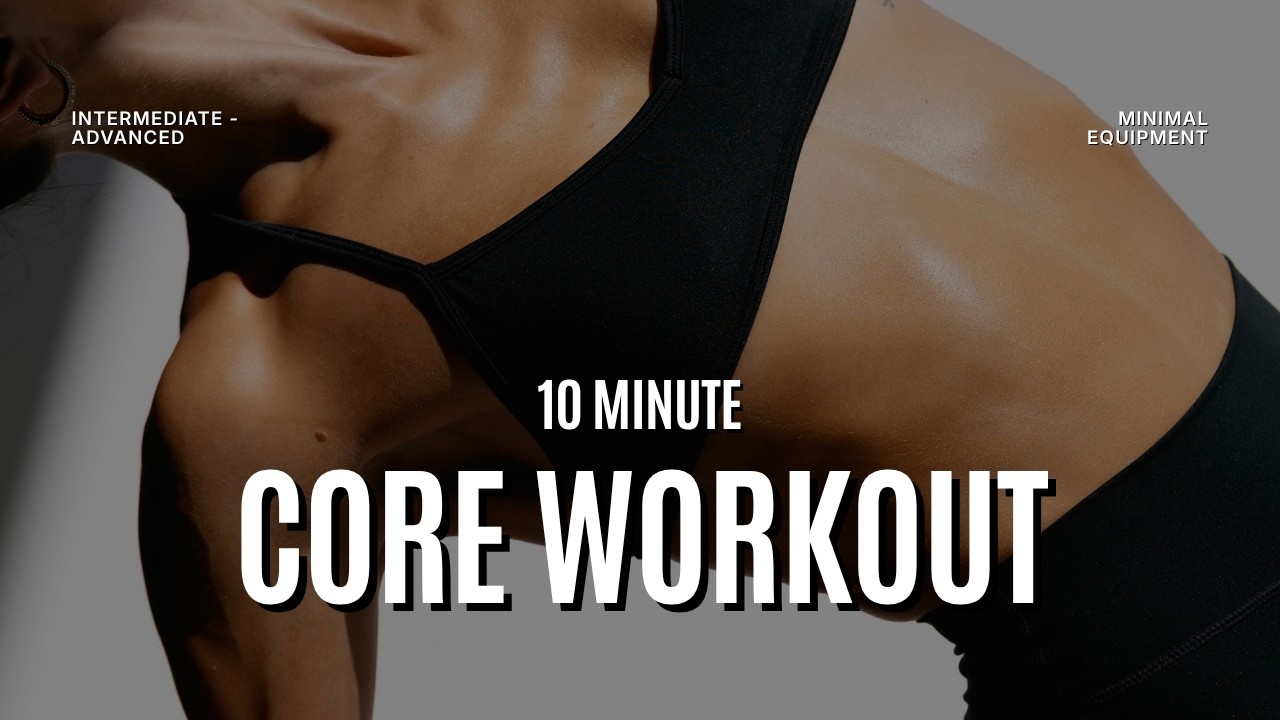
1. Pilates by Izzy 10 Minute Core Sculpt
What? An express core workout using a yoga block and optional ankle weights.
Why? Fiery, intense and using functional movements that actually apply to day-to-day life, this quick core workout is the perfect activation for a longer workout or to be used as an exercise snack to work your abs.
How long? 10 minutes.
If you’ve read my review of Izzy Samuel’s 25-day challenge, you’ll know what a fan I am of her workouts. Known for her intense, contemporary take on the classical Pilates sequence, she’s got a genuinely engaging way of teaching that makes you feel as though you’re in the room with her. There are always levels to cater to different abilities, and I always walk away with my body burning and my mood boosted.
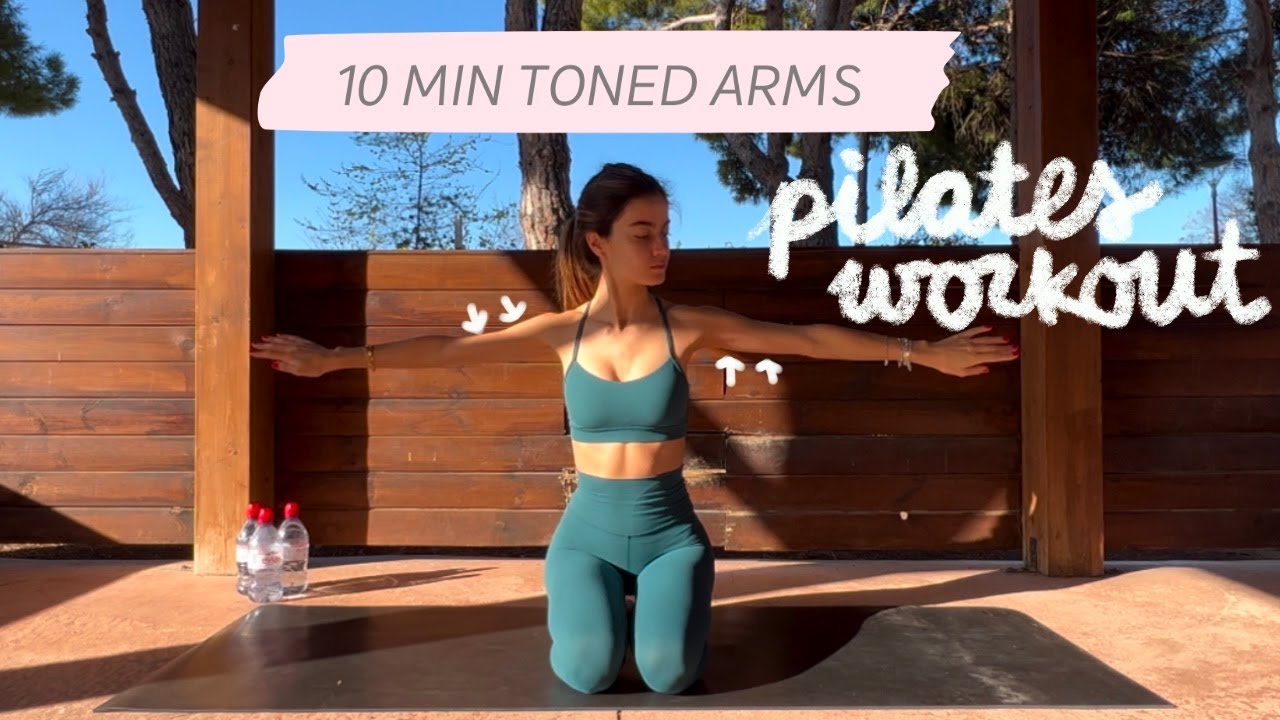
2. Lidia Mera 10 Minute Pilates Arm Workout
What? A short, no-equipment continuous arm workout.
Why? With no repeats and small, precise movements, this class calms my nervous system and works my arms at the same time.
How long? 10 minutes.
When I need something a little less intense than Pilates by Izzy, I always reach for Lidia Mera’s workouts. The Pilates teacher and content creator is my entry into movement on days when I don’t feel like working out at all. The classes pair calming backing tracks with Mera’s soothing voiceovers, whilst delivering a surprisingly spicy burn for the upper body without feeling unmanageable.
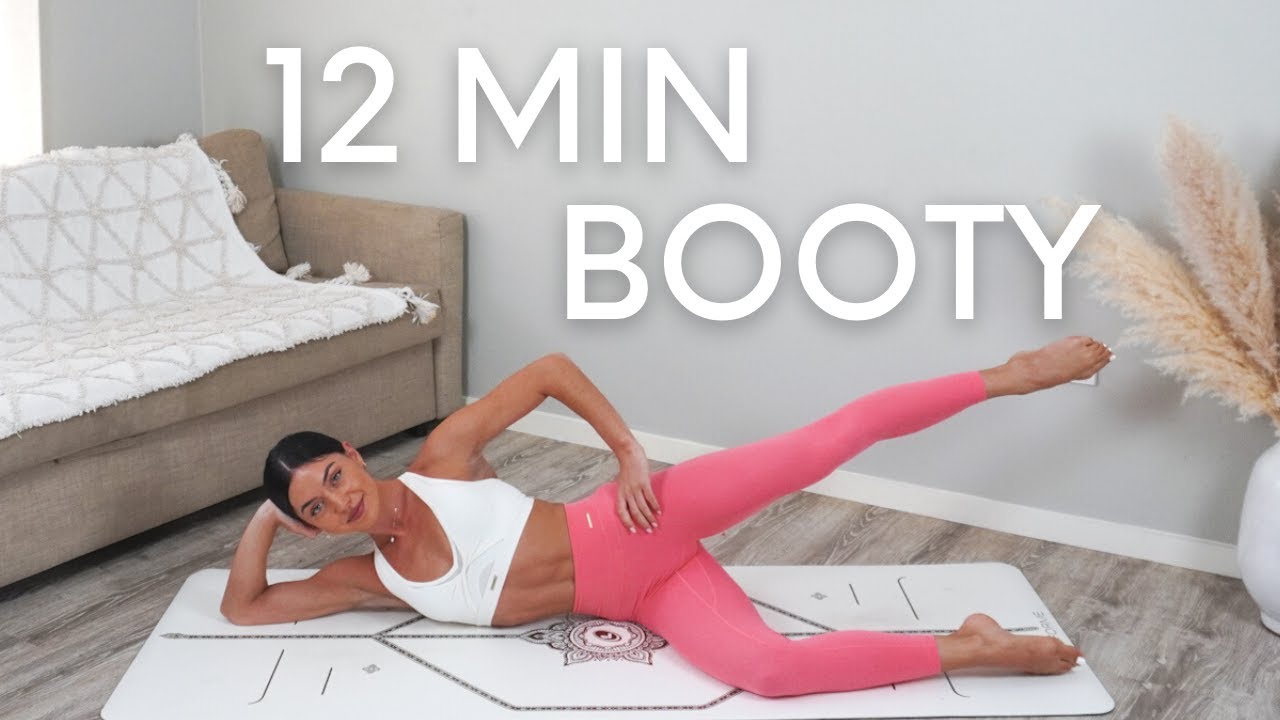
3. Move with Nicole 12 Minute Booty Workout
What? A knee-friendly, no-squat, equipment-free glute workout.
Why? This workout couldn’t be more accessible, whether you’re struggling with knee pain, are short of time or don’t have access to any equipment. It effectively challenges the major and stabilising muscles around your glutes and hips.
How long? 12 minutes.
I came across Move with Nicole’s YouTube yoga, Pilates and strength workouts at the beginning of 2025. Back then, she really got me out of my post-Christmas slump, and I’ve been a devout follower of her workouts ever since. She has something for every mood - whether I need an energising yoga flow or intense glute burn. And when it comes to exercise snacks, she’s brilliant. Whilst her classes extend up to an hour, she also has plenty in the 5-15 minute range.
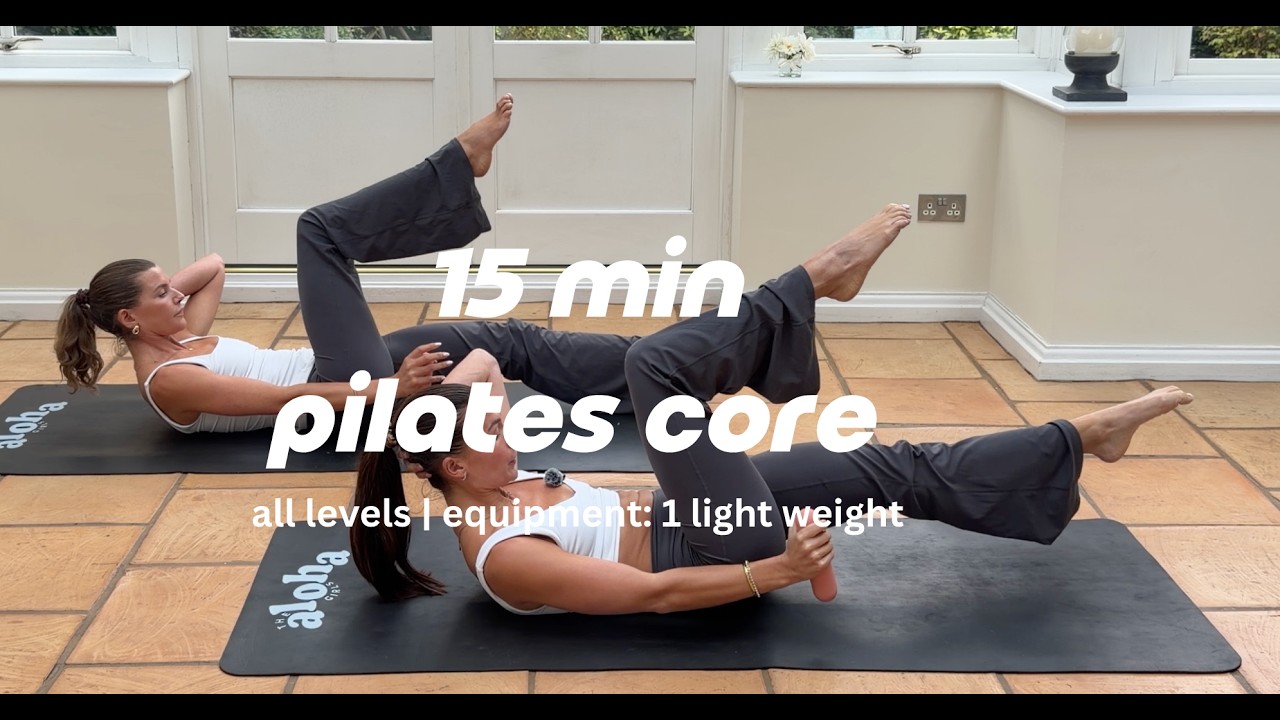
4. The Aloha Girls 15 Minute Pilates Core
What? An express core workout using light handweights, with options for all levels.
Why? Striking that sweet balance between challenge and achievability, this class combines core work with gentle stretching that simultaneously works your abs and mobilises your back.
How long? 15 minutes.
Best friend duo, Alice and Hannah, founded The Aloha Girls to be a one-stop Pilates and Nutrition spot, and to take the noise and fuss out of eating and moving well. They have an app with tons more workouts, but I’m also a big fan of their YouTube options, which include this 15-minute Pilates core. Alice’s instruction is always clear and relatable, meaning I can look away from the screen and concentrate on what I’m doing. Plus, on days when I’m feeling a bit flat, it feels like I’m working out with my friends, which always leaves me brighter and more energised post-class.
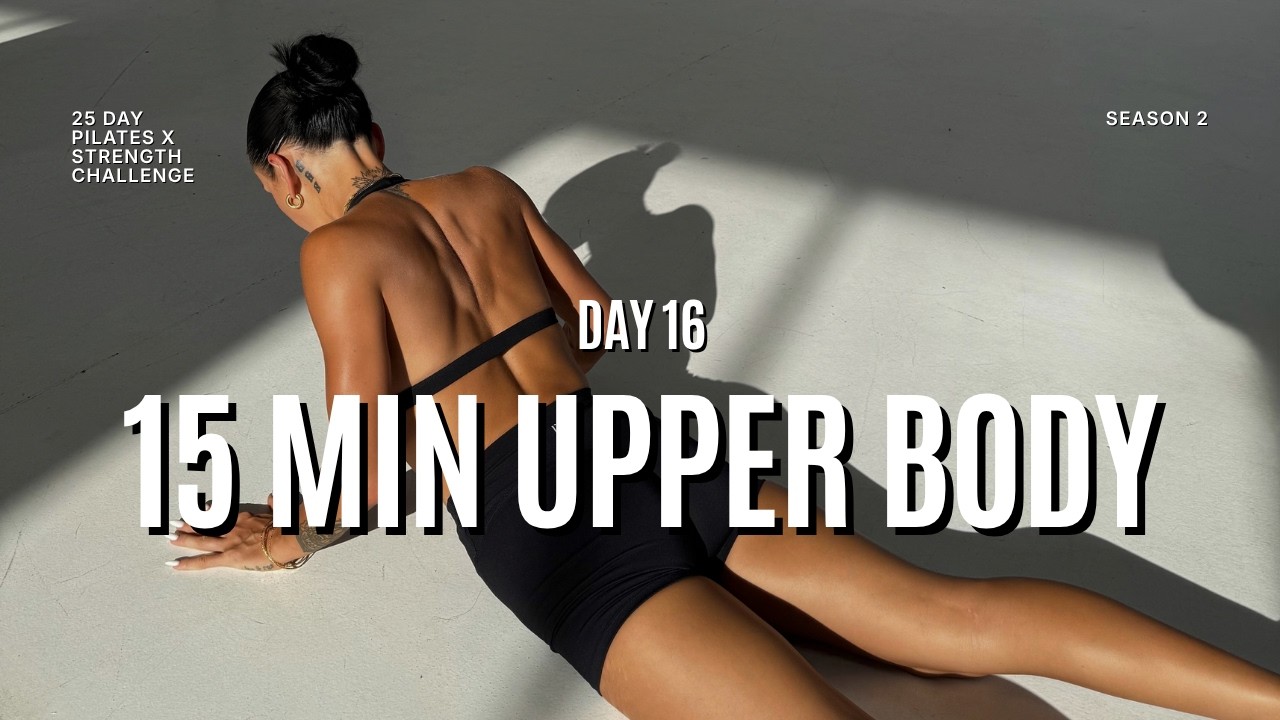
5. Pilates by Izzy 15 Minute Express Upper Body Workout
What? A dynamic upper body workout using light hand weights.
Why? Combining weighted exercises with bodyweight push-ups, this is a challenging and functional class that packs a punch.
How long? 15 minutes.
I couldn't help but include another of Izzy’s classes, because this workout is one of the shortest yet most powerful upper body sequences I’ve tried. I credit it with the increase I’ve seen in the tone of my arms over the last few months, and am still working on being able to complete each move without breaks.
Shop MC-UK approved workout gear now:

If you're looking for comfy workout wear that feels like you haven't left your pyjamas, Oner Active is where you'll want to look. I live in my rotation of different tracksuits, which I regularly wear for short bursts of Pilates, yoga, or out on walks around my local fields. Made from sweat-wicking material with four-way stretch, you can also use them for higher-intensity movement if you don't tend to get too warm.
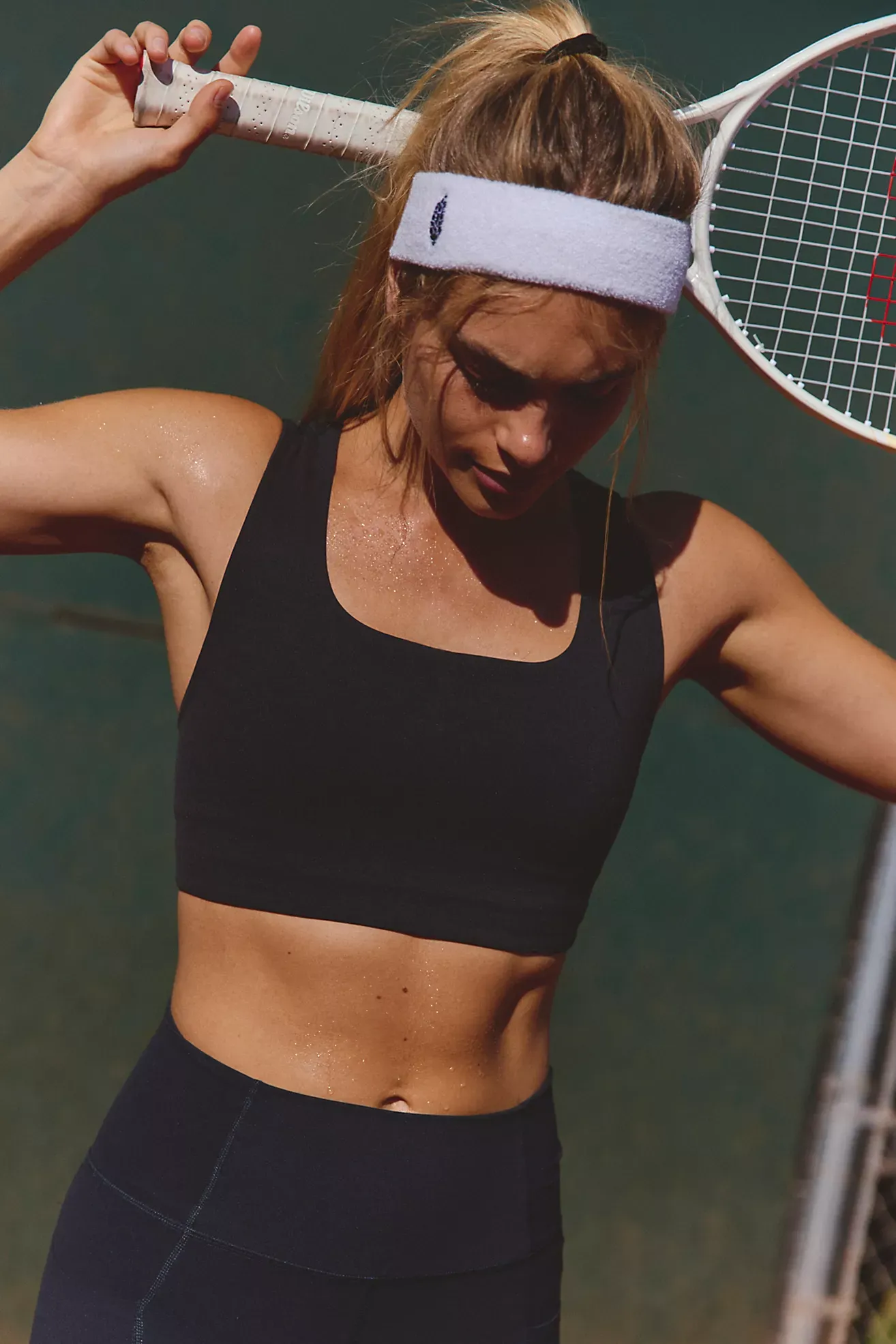
For a fairly affordable, flattering and genuinely supportive sports bra, my pick is usually Free People. I particularly love the cut of the Win Win style with its square neck and thick, claspless back. I find it to be supportive, even in high-intensity movements, though if you're a larger cup size, it may be best reserved for moderate-intensity workouts.

If you're in the market for a solid pair of trainers to cover most bases, I'd recommend the Nike Pegasus 42. First developed in 1982, this model has truly stood the test of time. I've been wearing them on and off since I was 13 and have found they can serve me well for most things - from walking and running to the gym. Of course, you can get more discipline-specific shoes, but for an all-rounder that will support your feet and look cute while doing it, they're a great pick.
How often should I be exercise snacking?
It’s tempting to look for strict guidance when it comes to exercise snacking. But as Simon Rayfield, elite personal trainer at Virgin Active Chiswick Riverside, explains, it’s rarely that simple. “Unfortunately there’s currently no scientifically established magic number,” he says. “Exercise snacks have been studied anywhere from several very short bouts throughout the day to longer mini workouts.”
For someone just getting started, personal trainer Aimee Victoria Long recommends a 10 to 15-minute session three to five days a week. “That’s a practical starting point, rather than a scientifically established prescription,” she says. “You might do a short strength session twice a week, Pilates on another day, and brisk walks when you can. On days spent sitting, add a few brief movement breaks as well.”
There are also broader NHS movement guidelines to consider. The current recommendation for adults is at least 150 minutes of moderate aerobic activity, or 75 minutes of vigorous activity, each week, alongside muscle-strengthening activity on at least two days. “Shorter sessions can contribute towards that total,” says Long, but reminds us that whilst “gentle stretching is valuable, it won’t count as moderate aerobic exercise.”
Ultimately, the most important thing is finding a routine you can stick to. “Exercise should support your life, not become another thing that makes you feel guilty,” says Rayfield. “Sometimes the most effective workout isn't the longest one; it's the one that you can realistically do, enjoy and repeat.
