

Few industries are developing quite as rapidly as wellness, with fresh tech and innovative supplement formulas hitting the shelves almost every day. So, it comes as no surprise that our health focuses look very different today than they did 30 years ago—with findings from iHerb making it clear just how much has changed in the nutrition sphere since 1996.
It was in this year that iHerb first launched in California, selling the herbal supplement St. John's Wort online. Since then, the retailer has transformed into a global e-commerce platform for vitamins, supplements, and wellness products, meaning it has a front-row seat to viewing health trends develop in real time—and witness consumer interests fluctuate with the times.
From the fitness boom of the early noughties to today's fascination with microbiome science, iHerb's data tracks the most popular supplements each year for the last three decades to reveal how our health goals are changing—and the investments to keep an eye on for your 2026 wellness needs.
1996-2000
The lead-up to the millennium saw botanical remedies and performance-enhancing supplements hitting mainstream retail. Focus was on energy, muscle building, herbal cold remedies, and early brain health, with St. John’s Wort and Echinacea initially popularised as natural mood lifters and cold remedies.
Perhaps surprisingly, creatine monohydrate quickly became the standard for muscle performance and fitness in 1997. Creatine has recently had a resurgence amongst gym-goers, leading many of us to believe it was a fairly recent interest. In fact, it's been a staple in many wellness routines for decades.
Come 1998, Ephedra (Ma Huang) and thermogenics dominated weight loss markets alongside Glucosamine and Chondroitin for joints. 1999 saw Ginkgo Biloba in the top spot, leading the surge of memory- and mental-clarity-focused supplements heading into Y2K. By 2000, Coenzyme Q10 (CoQ10) became the favourite for its benefits to cardiovascular health and cellular energy.

2001-2005
Heart health, fat loss alternatives, and essential oils categorised the next few years, thanks to regulatory changes and FDA allowances that made daily preventative nutrients a firm favourite.
Green tea extract/EGCG replaced ephedra in natural metabolic and weight-management formulas in 2001, with calcium and vitamin D3 proving a push towards bone health and osteoporosis prevention in 2002.
By 2003, fish oil (Omega-3 EPA/DHA) exploded in popularity after qualified FDA heart health claims, and the 2004 ban on ephedra popularised Synephrine & Hoodia Gordonii. By 2005, Resveratrol took over as an anti-ageing and red-wine antioxidant trend.

2006-2010
Pre-workouts, gut health, and Vitamin D deficiency marked an evolution in fitness nutrition from 2006, with customers prioritising high-potency formulas, healthy gut bacteria, and a boost in daily immune baselines. This focus on digestive balance is one that has continued to stick into 2026.
Nitric oxide boosters/Arginine transformed pre-workout sports nutrition powders in 2006, while probiotics steadily transitioned from specialist health food shops to pharmacy shelves in 2007 in line with appetite for daily digestion solutions.
By 2008, Vitamin D3 mega-doses spanned bone care, immunity, mood boosting, and daily wellness. Come 2009, Acai berries and superfruits were popularised by weight-loss marketing campaigns and became a staple in countless diets. At the end of the decade, in 2010, Krill oil emerged as an alternative to standard fish oil that took off.

2011-2015
The start of the next decade was when doctor-backed trends, collagen, and turmeric started taking off due to beauty-from-within and natural anti-inflammatory products gaining traction on TV. Rapid viral weight-loss trends made Raspberry Ketones & Green Coffee Bean popular in 2011, while Garcinia Cambogia became one of the fastest-selling natural diet supplements in 2012.
BCAAs (Branched-Chain Amino Acids) emerged as a staple for gym recovery and hydration routines in 2013, while Turmeric Curcumin was the supplement of choice in 2014 for natural joint and systemic anti-inflammatory support. By 2015, collagen came to the fore to target skin, hair, nail, and joint health care—which has continued to stick.

2016-2020
Biohacking is easily one of the most notable wellness shifts of the last decade, with adaptogens, Ketogenics, nootropics, and pandemic immunity changing the way we discuss health. Stress management, cognitive focus, dietary fats, and daily immune defences have become signifiers of public health that have yet to dwindle.
MCT Oil & Keto Salts (BHB) rose to popularity in 2016, powered by the mainstream rise of the ketogenic diet, while Ashwagandha and adaptogens took over in 2017 for cortisol balance and stress reduction. This continued into 2018, when CBD was linked to improved sleep, lowered anxiety, and joint relief amongst other benefits.
By 2019, nootropics & Lion's Mane took over when brain performance, focus, and productivity became highly desirable. And once the pandemic hit in 2020, Vitamin C, zinc, elderberry and Quercetin saw huge global spikes for immune protection.

2021-2026
Over the last decade, longevity has come to define collective wellness aims. Metabolic health and personalised wellness continue to dominate the industry, with sleep optimisation and the gut-brain axis entering the mainstream.
Magnesium Glycinate was 2021's most-loved supplement and was prioritised over basic magnesium for sleep and relaxation. In 2023, Berberine began trending for blood sugar management and metabolic support, whilst electrolytes boomed in 2024 for daily wellness—not just athletic use.
Circling back to 1997, when creatine first boomed, 2025 marked an appetite for creatine for women and cognition, expanding from bodybuilding into everyday brain health. Now, in 2026, Postbiotics and Psychobiotics are reigning supreme, focusing on heat-treated beneficial bacteria and gut-brain connection strains.

Despite a new supplement taking the top spot every year for the last three decades, it's clear that consumer appetite for supplements hasn't dwindled. Themes of daily wellness and performance optimisation have remained strong, with almost every trend linking back to our desire to live longer and live better.
iHerb is one of the most popular global destinations for trusted and effective supplements for every health goal, and an ideal destination to shop for new, trending, and reliable supplement solutions. If you're in the market for some wellness boosters to see you through the remainder of 2026, celebrate iHerb's 30th birthday by using the code IHERB30 at checkout for 30% off.

-
 Argyle Knits Are the Easiest Way to Add Colour and Print to Your Everyday Outfits This Autumn
From classic cardigans to oversized jumpers, we’re seeing a pattern in knitwear this season
-
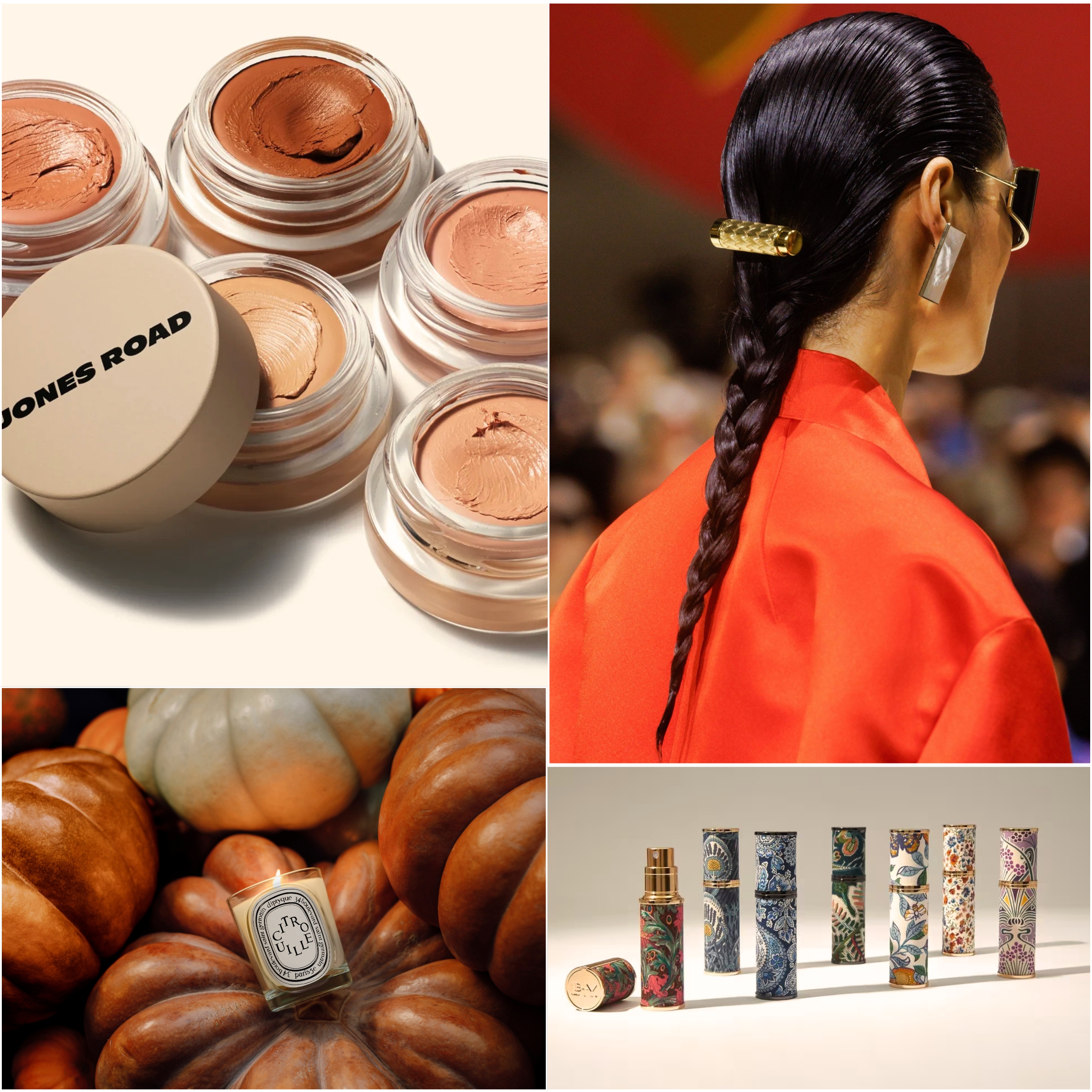 The Beauty Digest: Lip Balms Are the New It-Bags, Diptyque Does Halloween & Bobbi Brown Does It Again
A Beauty Director’s weekly edit of the launches worth knowing, treatments worth trying and industry talking points you’ll want an opinion on.
-
 “I Found My Own Breast Lump at 39. Here’s What I Wish I'd Known Sooner”
Roxy Rhodes discovered a lump in her breast the day after her 39th birthday. This month marks a year since she finished active treatment—but it's far from the end of her story.


-
 I'm a Nutrition Scientist Who's Seen That Supplement Stacking Is Trending—Here's My Honest Take
Experts cut through the noise of this latest viral trend.
-
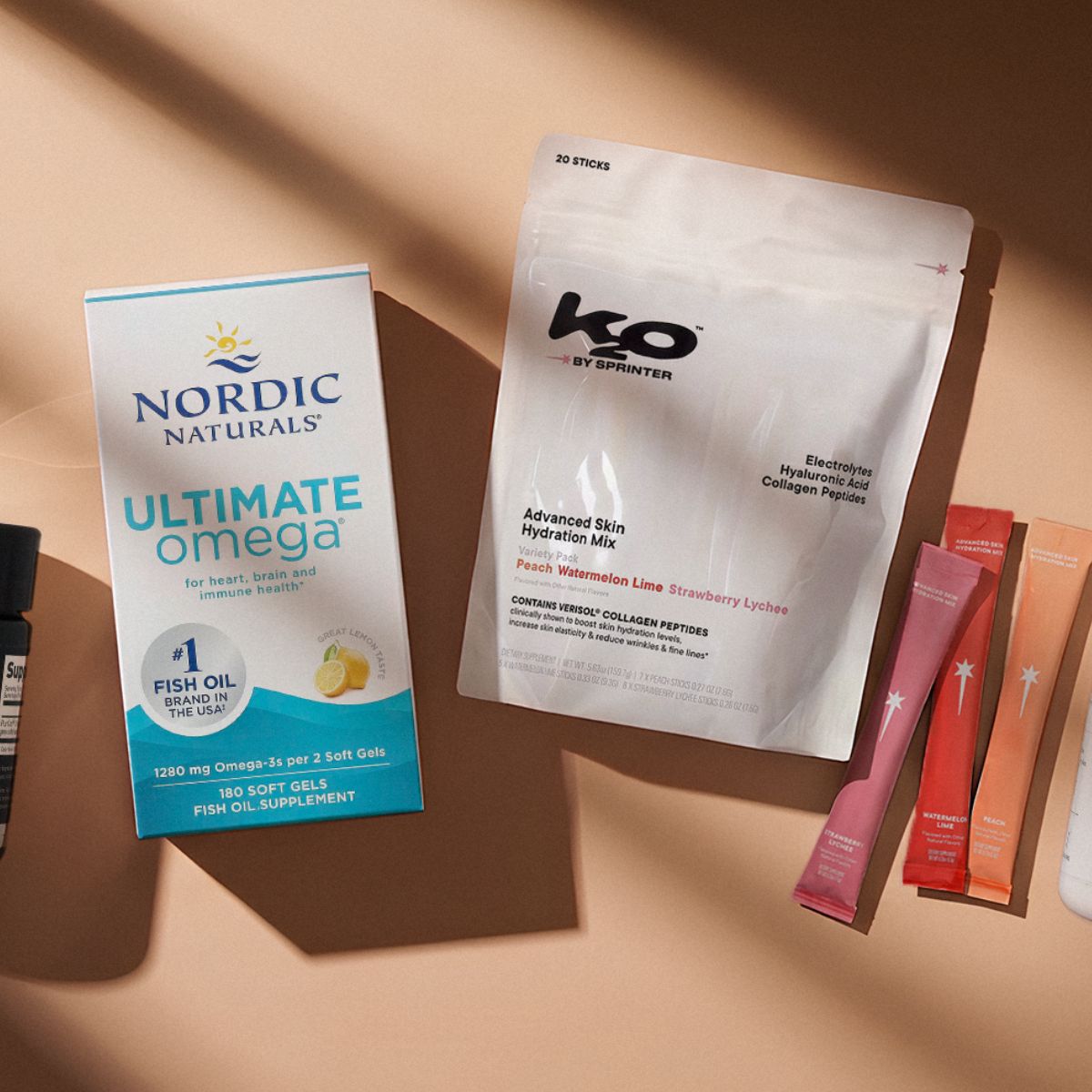 Trust Me, I'm a Nutritionist: These Are the Best Sports Supplements for Energy, Endurance and Recovery
Separating fact from fiction.
-
 Move Aside, Fibremaxxing—I Tested This Viral Fibre Supplement For A Month and The Results Blew Me Away
Forget protein for a second, *almost* all of us need more fibre.
-
 Peptides Are The Buzziest Supplement Of 2026—So Why Is No One Addressing The Risks?
Top experts weigh in.
-
 Shreddy's Cult-Favourite PCOS Supplement Has Sold Over 100,000 Units—My Honest Review, After Testing for A Month
Spoiler alert, readers: it's a good'un.
-
 Trust Us, We've Tested: 10 Best Greens Powders for Taste and Nutrient Density
Starting at £20
-
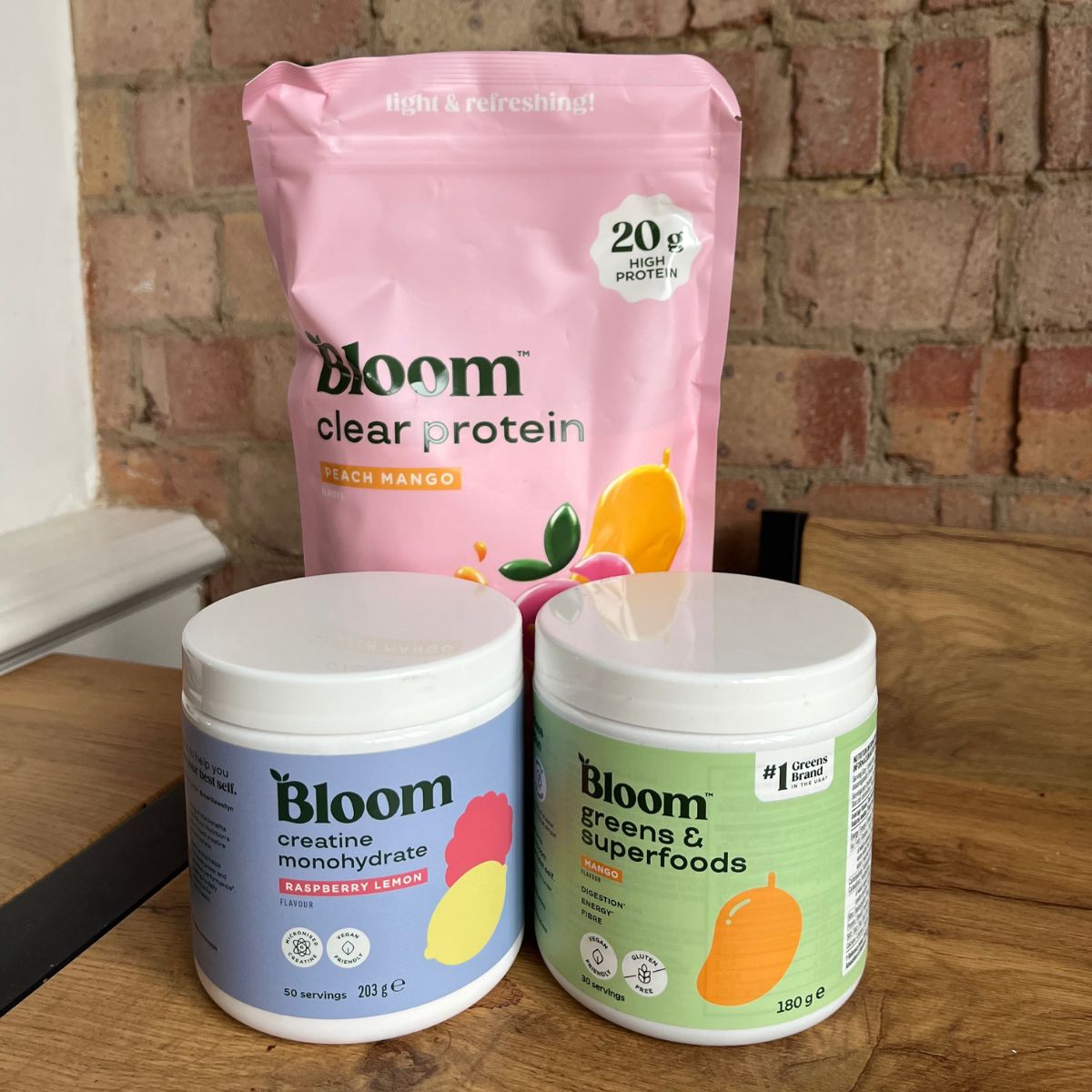 Cult-Favourite Greens Brand Bloom Has Finally Landed in the UK – These Are the Top 3 Products Worth Trying
20+ fruits and veggies in one serving.
-
 I'm a Nutritionist and Naturopath - and These Are 5 Supplements I Recommend to My Clients
Meet some of the best nutritional supplements to support longevity.


