Jellyfish sushi may be the future of seafood
Cod, haddock and plaice supplies running out
Cod, haddock and plaice supplies running out
Unless something changes soon familiar favourites such as cod, haddock, hake and plaice will be off the menu for good, say scientists. Exotic alternatives such as jellyfish may be all the ocean has left to offer us.
Marine biologists are alarmed by the imbalances that are appearing in marine ecosystems due to over-fishing, pollution and climate change. ‘We are entering a time of great uncertainty,’ says Boris Worm, of Dalhousie University in Halifax, Nova Scotia, Canada, and the Census of Marine Life project. ‘If we continue as we have been, in 50 years there may not be much left to take from the ocean.’
Worm and an international team of ecologists have taken a comprehensive look at the state of the world's fisheries. In short, catches of wild fish are plummeting and the researchers predict that without steps to protect biodiversity, all current commercial fish and seafood species will collapse by 2050.
If we do empty the oceans of fish, it will leave a gaping hole in our diet. Fish provide around 20 per cent of our intake of animal proteins, according to a 2007 estimate of the UN's Food and Agriculture Organization (FAO).
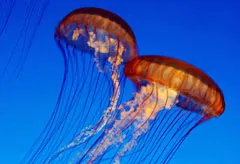
So what will that leave us to eat? A common ingredient in Asian cuisine, jellyfish have been eaten for more than 1000 years in China, where they are often added to salads. In Japan they are served as sushi and in Thailand they are turned into a kind of crunchy noodle.
For those with a western palate, though, the taste and texture may take some getting used to. ‘I wouldn't describe it as a sensation that would sweep the globe,’ says Kevin Raskoff of Monterey Peninsula College in California. ‘It's reminiscent of slightly tough strips of cucumber.’
Celebrity news, beauty, fashion advice, and fascinating features, delivered straight to your inbox!
The leading destination for fashion, beauty, shopping and finger-on-the-pulse views on the latest issues. Marie Claire's travel content helps you delight in discovering new destinations around the globe, offering a unique – and sometimes unchartered – travel experience. From new hotel openings to the destinations tipped to take over our travel calendars, this iconic name has it covered.