

If Barbie listed her first DreamHouse on Rightmove today, it would almost certainly cause a frenzy.
Not because of the dopamine interiors (though they'd no doubt rack up a few saves on Instagram) or the on-trend-again mid-century furnishings, but because, in 1962, Barbie was already living a revolutionary life. She owned her own home decades before women in Britain could realistically expect to do the same independently. In 1975, unmarried British women could still be denied a mortgage because a male guarantor was required.
For generations of girls, the Barbie DreamHouse became shorthand for a certain kind of success: a home of your own, designed entirely around not only your aesthetic but your ambitions. More than 60 years later, that dream is still very much alive. The difference is that, for many women, getting there looks rather different.
That's the thinking behind the Barbie brand's latest partnership with Rightmove. As Barbie embarks on the search for her next DreamHouse, the collaboration uses one of pop culture's most iconic homes to explore a much bigger question: what does female independence—and the dream of homeownership—look like in 2026?
New research commissioned by Barbie and Rightmove found that while three quarters (75%) of Gen Z and Millennial women still see homeownership as an important life goal, almost half (48%) would consider buying with a friend to make it happen.
The Dream(House) Remains, But the Route Has Changed
Since at least fairy tales have existed, homeownership has been sold as the natural next chapter after marriage. Secure the house, have the children, live happily ever after.
But in 2026, with marriage rates trending southward and fertility rates in decline, it was only a matter of time until women reimagined what the dream living situation could look like.

More than 60 years after Barbie first moved into her DreamHouse, women are redefining what homeownership looks like.
Rather than waiting for the "right" relationship, many are deciding that friendship can be just as strong a foundation for building a home. Rightmove's research suggests that nearly half of young women now see buying with a friend as a viable route onto the property ladder, with many believing it could improve not just their finances but also their happiness and sense of community.
Instead of imagining one ideal route to homeownership, Barbie's latest house hunt reflects the reality that there are now many ways to build an independent life, whether that's buying on your own, with a partner or, increasingly, with a friend.
Maybe Independence Doesn't Have to Mean Going It Alone
As a society, we've moved away from communal living and embraced individualism and all that entails. Independence has been imagined as solitary: the successful woman with the keys to her own front door. For many women, this has been the endpoint of success.

The 2026 Barbie DreamHouse reflects how ideas of home, independence and success continue to evolve.
Economic reality, of course, plays a role. While deposits have grown, affordability remains stretched, leaving many first-time buyers scouting around for creative ways to get onto the ladder. But the Rightmove research suggests women aren't simply making financial compromises; they're actively valuing what shared living can offer. Alongside better financial stability, respondents cited happiness and community among the biggest perceived benefits of buying with a friend.
It's hardly surprising that, against a backdrop of increasing loneliness, a dearth of third spaces and ever more fragmented communities, the modern DreamHouse is as much about finding a place to belong as it is about somewhere to sleep.
The DreamHouse Itself Has Evolved
Interestingly, the homes women say they want aren't necessarily bigger. Instead, they're designed around how people actually live. According to the research, gardens, open-plan living spaces, separate bathrooms, home working areas and spaces for entertaining all rank highly on women's wish lists.
Of course, some of these, like co-working areas, are distinctly modern design trends, but these are also homes built for flexibility, hosting, hybrid working and chosen family. In short, they're the homes for the kind of lives many women are building today.
Even the latest Barbie DreamHouse reflects that shift, designed with creative spaces and sociable living in mind rather than simply showcasing scale and luxury.
The Modern DreamHouse

Barbie's latest house hunt comes to life at the DreamHouse Estate Agent Pop-Up in Covent Garden, where visitors can explore the all-new 2026 DreamHouse.
Of course, in many ways, Barbie has always been about possibility. Astronaut, doctor, president, CEO. Barbie has imagined careers long before they felt commonplace for women, and the DreamHouse represented something much bigger than bricks and mortar—or rather, cardboard, then plastic: autonomy.
Today's women are expanding the parameters of that autonomy: the modern DreamHouse might belong to one woman, two best friends, sisters or a chosen family. It might be bought with a partner, or without one entirely. It almost definitely isn't ballet-slipper pink with a twirling slide that takes you from the roof terrace to the ground-floor pool, but it still represents creating a life on your own terms.

-
 After 17 years in the Royal Household, Eva Omaghomi Talks Bringing African Design Talent to Harrods
After 17 years in the Royal Household, the entrepreneur tells us about the beginnings of her agency Brand63Africa—and why she believes in community over competition
-
 I've Discovered the Luxury Milan Hideaway That’s Perfect for Shopping, Sightseeing and Feeling Like You've Been Gone a Week in Just Two Days
Forget rushed date nights, here's why quality time is the ultimate luxury
-
 The 10 Autumn/Winter Fashion Trends Worth Your Attention, According to a Fashion Director
From clever layers to checks, velvet and drop waists


-
 Why Do Men Ruin Your Birthday?
Birthdays, promotions, holidays, even funerals. Writer Chanté Joseph investigates the unsettling relationship pattern hundreds of women instantly recognised.
-
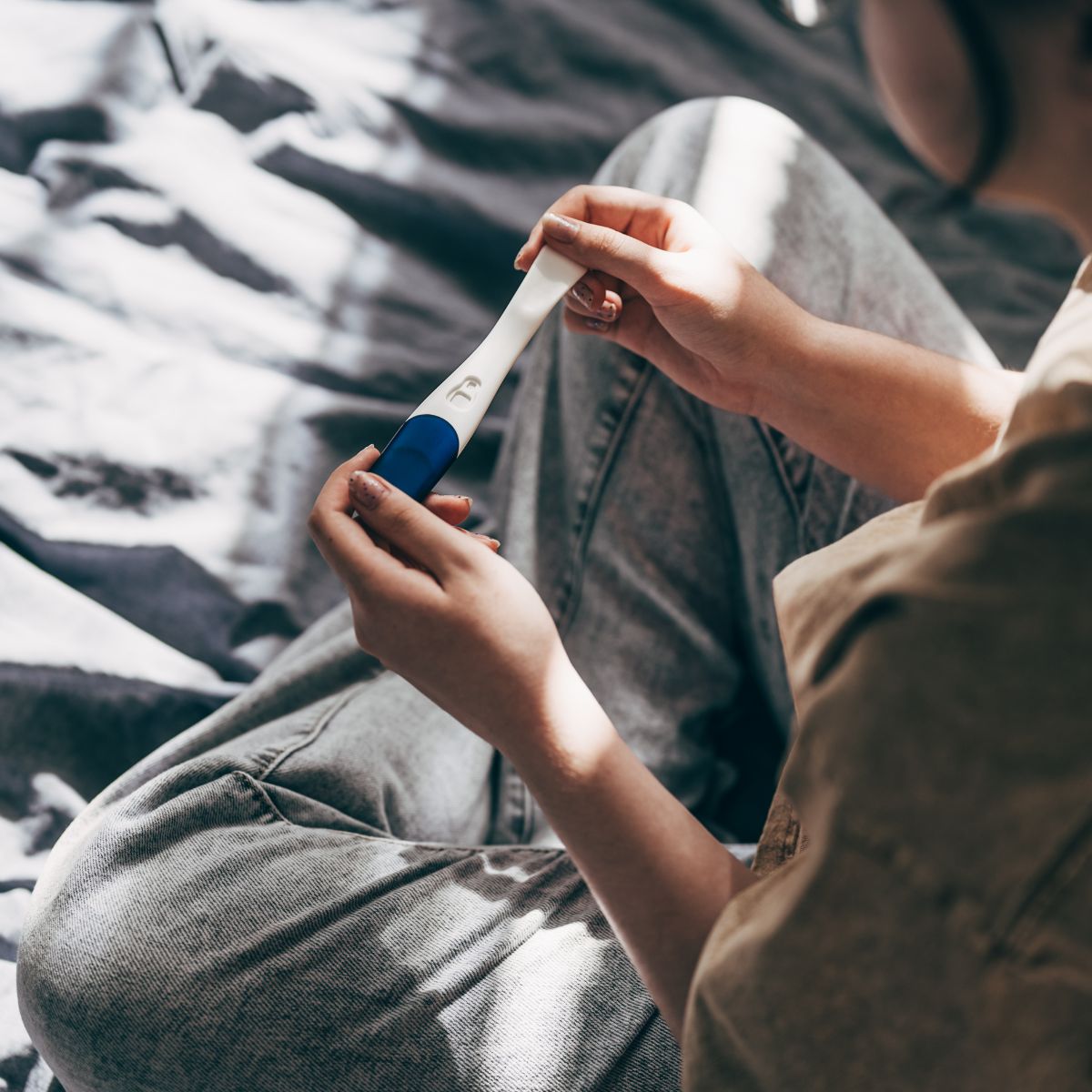 “When I Saw A Positive Pregnancy Test, I Wanted To Call An Abortion Clinic Immediately”
Nelly London on certainty, stigma and why her experience of abortion looked nothing like the stories millennial women grew up seeing.
-
 I Didn’t Notice Becoming Invisible — Then I Hit Midlife
No one tells you the exact age it starts, just that one day, you stop being seen
-
 I Finally Stopped Asking “Does He Like Me?” — And Started Asking “Do I Like Him?” It Changed Everything
We’re taught to see male attention as validation. But what happens when you stop asking if he likes you, and start paying attention to how you feel?
-
 “I Lost 6,000 Followers in 24 Hours”: Why Pregnancy Is Making People Hit ‘Unfollow’
Mothers already face impossible expectations, now even announcing a pregnancy can cost them.
-
 Is Gen Z Really Lazy at Work, or Just Done with Burnout Culture?
They’re logging off at 5pm, and being labelled “uncommitted.” But the real problem might be the culture they’re refusing to inherit.
-
 Women Are Delaying This Financial Step, But It Could Be Easier Than You Think.
One in four women ready to invest still haven’t started. It’s time to change that and make your money work as hard as you do.
-
 Motherhood Made Me Confront My Deepest Fear: Myself
I was raised to expect danger everywhere. Teaching my children to embrace the world meant unlearning everything I knew.


